
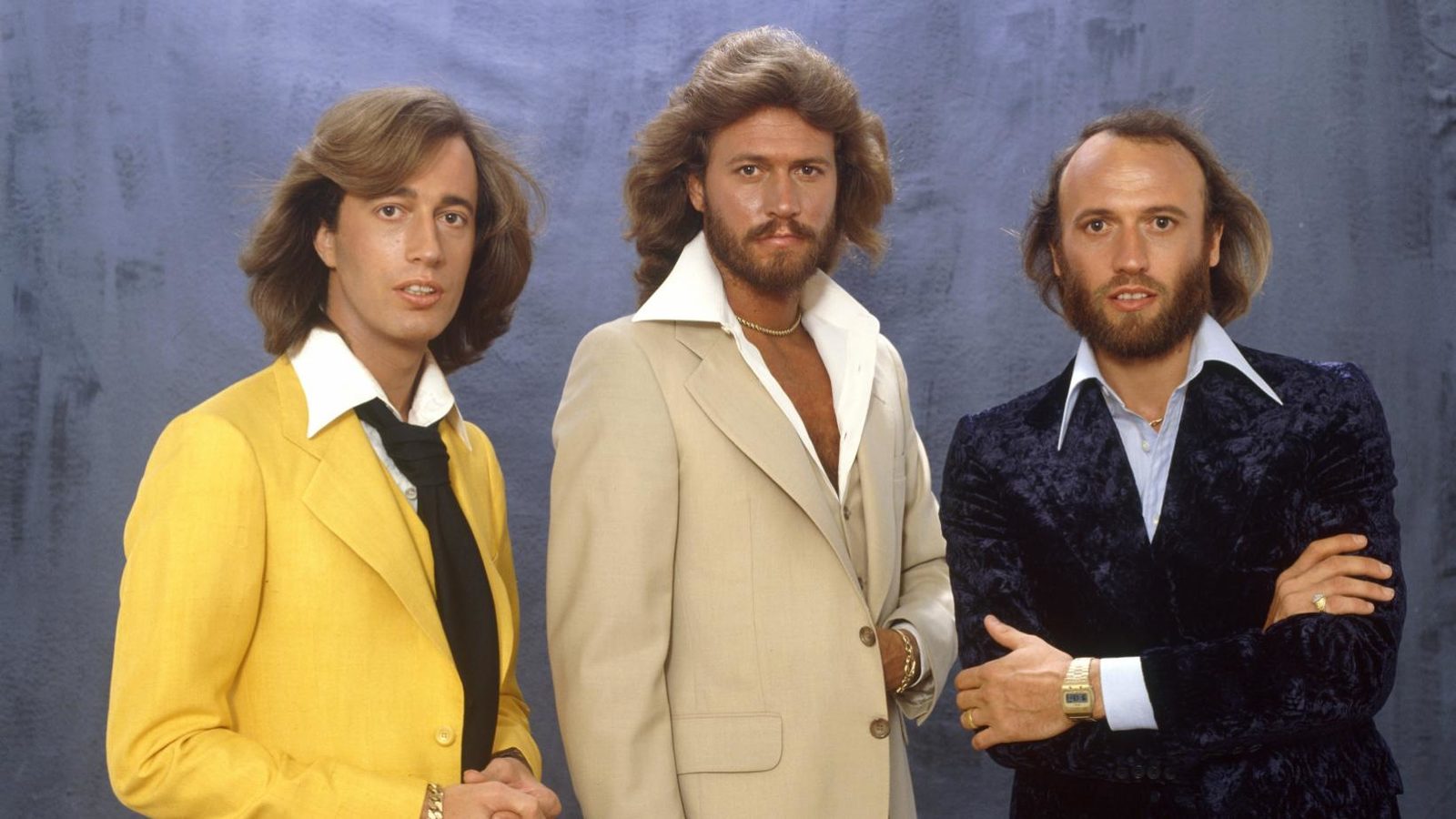
Horizontal is the Bee Gees learning how to stretch time—turning late-’60s pop into something almost cinematic, where loneliness, wonder, and maturity move side by side.
Released in January 1968, Bee Gees’ Horizontal arrived at a very particular crossroads: the group had already proven they could write international smashes, but here they began sounding less like gifted newcomers and more like artists building a world around their songs. It was their fourth studio album (and their second with an international release), recorded in London between 17 July and 29 November 1967, across studios including Central Sound, Chappell, and IBC. Produced by Robert Stigwood with the Bee Gees themselves co-producing, the record carries that unmistakable late-1960s sense of a band discovering how far melody and atmosphere can travel together.
Commercially, Horizontal made a strong first impression without needing to be a chart-topper. In the UK, it reached No. 16 on the UK Albums Chart, and in the U.S. it climbed to No. 12 on the Billboard 200—proof that this more ambitious, mood-rich Bee Gees album still connected widely. Those numbers matter because they place Horizontal in that rare space where pop success and artistic growth overlap: it wasn’t merely “more of the same”—it was the sound of a band widening the doorway.
For many listeners, the album’s emotional passport is carried by the singles it contains: “Massachusetts” and “World.” Horizontal gathered them into its narrative like familiar faces in a new city—songs that had already become part of the Bee Gees’ early international identity, now framed inside a record that feels more textured, more reflective, more grown. And that framing is crucial: on Horizontal, the Bee Gees weren’t just writing choruses meant to sparkle; they were writing scenes meant to linger.
Sonically, the album sits in a richly described neighborhood—psychedelic pop/rock, baroque pop, soft rock—but those labels only hint at the lived experience of listening. What you really hear is Barry, Robin, and Maurice Gibb learning to use space: a hush before a line, an orchestral swell that doesn’t overwhelm the vocal, a rhythm that stays patient because the story is the main event. There’s a kind of London-night elegance to it, as if these songs were written with streetlamps in the window and time moving slowly on purpose.
The “story behind” Horizontal is, in many ways, the story of the Bee Gees settling into their new creative gravity in Britain—working with Robert Stigwood as both guiding hand and industrial engine, while also asserting themselves as producers and architects of their own sound. If Bee Gees’ 1st felt like a grand introduction, Horizontal feels like the moment they start speaking in full paragraphs—less eager to dazzle, more intent on meaning.
And what does Horizontal mean, emotionally? It’s an album about the complicated middle stages of feeling: not the first blush of romance, and not yet the hardened cynicism that sometimes follows disappointment—rather, that in-between territory where love, doubt, faith, loneliness, and imagination all share the same room. Even when the melodies sound bright, there’s often a shadow underneath—an awareness that happiness is precious precisely because it can’t be held forever. That is the Bee Gees’ great gift here: they make melancholy sound like beauty, not defeat.
Decades later, Horizontal has also been treated like a document worth reopening: it was reissued in 2007 with stereo and mono mixes and bonus material, a quiet acknowledgment that this album isn’t just a stepping stone to later fame—it’s a self-contained piece of their artistry.
If you return to Horizontal now, it doesn’t feel like a museum object. It feels like an evening you can still walk into: the kind where the room is softly lit, the songs are patient, and the Bee Gees—still young, already wise—remind you that the past isn’t only something we remember. Sometimes it’s something that remembers us.