
“Love Has No Pride” is heartbreak with its chin lifted—devotion so deep it survives humiliation, yet finally recognizes the cost of staying.
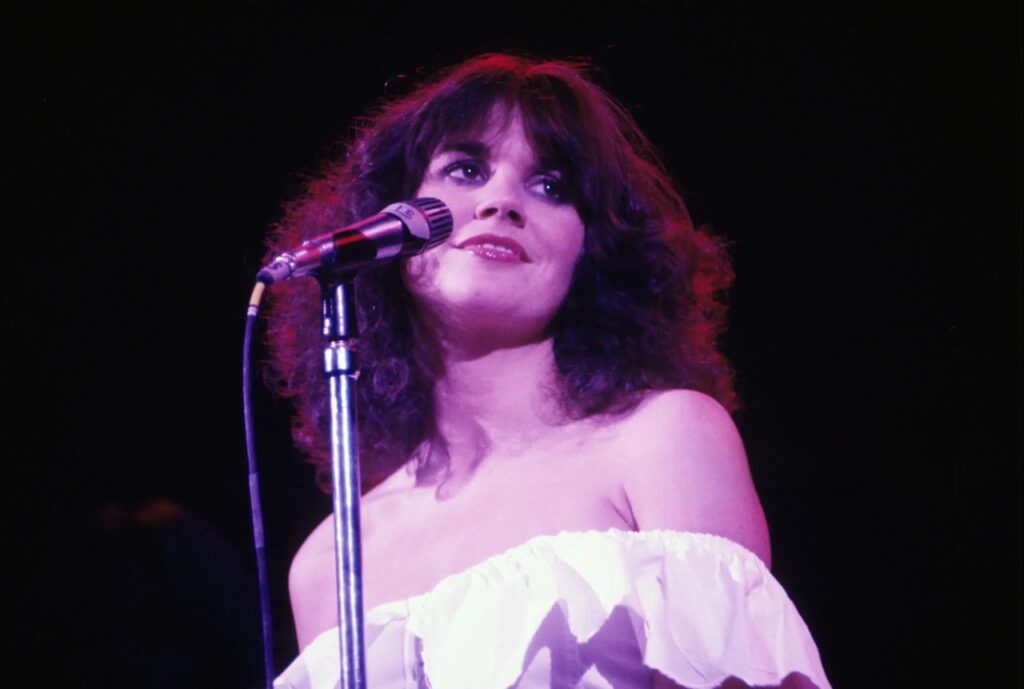
Linda Ronstadt had already built a reputation for turning other people’s songs into lived experience, but when she sang “Love Has No Pride” live in Offenbach, Germany on November 16, 1976, she wasn’t simply revisiting an old album track—she was retestifying. That date and place matter because this performance (circulating from the Stadthalle Offenbach concert) captures Ronstadt at the height of her ’70s powers: a voice capable of sounding both steel-strong and almost unbearably human in the same sustained phrase.
Start with the essential timeline. Ronstadt first recorded “Love Has No Pride” for Don’t Cry Now, her first album for Asylum Records, released October 1, 1973. The song itself was written by Eric Kaz and Libby Titus—a songwriter pairing known for emotional honesty that never flatters the singer. And unlike many of Ronstadt’s early deep cuts, “Love Has No Pride” had a measurable public life right out of the gate: issued as a single in October 1973, it reached No. 51 on the Billboard Hot 100 and No. 23 on Billboard’s Adult Contemporary chart (and No. 59 in Canada).
Those numbers aren’t the story’s climax, though—they’re the doorway. The real story is what Ronstadt does with the song over time, and why a 1976 performance can feel more definitive than the original studio take.
Because “Love Has No Pride” is not a breakup anthem. It’s something harder: a portrait of love that keeps kneeling even after it has learned it’s not being treated gently. The lyric’s central ache is the humiliating truth many people never say out loud—that you can know you’re being diminished and still feel unable to stop loving. The title itself lands like a verdict: love has no pride, meaning love doesn’t protect your ego; it doesn’t keep you safe; it doesn’t always let you leave with dignity intact. It simply insists—again and again—that the beloved matters more than the self.
In Ronstadt’s hands, that idea becomes almost physical. She sings the verses like someone trying to hold her posture steady while the ground beneath her shifts. There is no self-pity in the tone—only a kind of exhausted clarity, the sort that arrives after the same argument has repeated too many times. And that’s why the live setting in Offenbach is so powerful: the audience is there, the lights are up, the band is behind her—yet the emotional world she enters is intensely private. It’s the paradox of great live singing: the more people listening, the more intimate it can feel when the artist trusts the truth of the song.
It also helps to remember what Don’t Cry Now represented in Ronstadt’s career. The album peaked at No. 45 on the U.S. Billboard 200 and stayed on the chart for 56 weeks, a sign that her audience was growing steadily even before the blockbuster era of Heart Like a Wheel. “Love Has No Pride” belongs to that “becoming” period—when she was shaping her identity as a great interpreter of modern writers and classic country pain alike. By 1976, she wasn’t becoming anymore; she was arriving nightly, city after city, with the kind of command that lets a singer slow down a room without raising a hand.
So what does the Offenbach performance mean—beyond being a beautiful live document?
It feels like Ronstadt answering a question time asks every love song: Does it still hurt when you’re older? Does it still ring true when you’ve lived longer than the story itself? In 1976, “Love Has No Pride” becomes less a snapshot of one heartbreak and more a meditation on surrender—on the ways the heart bargains, the ways it rationalizes, the ways it stays loyal even when it shouldn’t. And if the performance leaves you haunted, it’s because she doesn’t dramatize the hurt; she dignifies it. She makes vulnerability sound like something a strong person experiences—not something a weak person deserves.
That is the lasting gift of Linda Ronstadt singing “Love Has No Pride”—especially live: it reminds you that the saddest songs aren’t always about being abandoned. Sometimes they’re about the moment you finally see yourself in the mirror and realize how long you’ve been standing there, waiting… and how quietly you’ve been paying the price.