
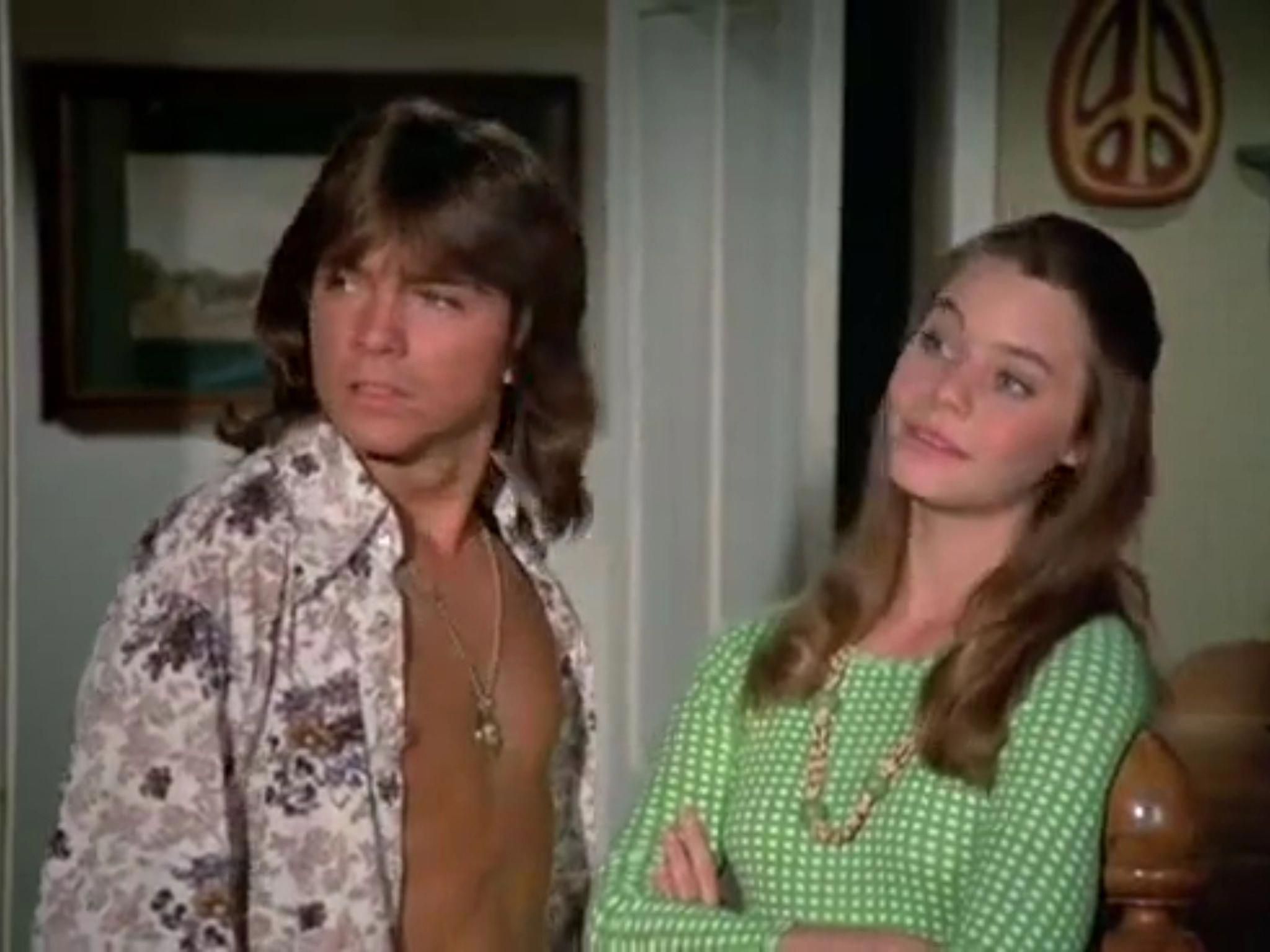
“Bandala” is the kind of Partridge Family title that makes you click before you know a single lyric — curious, playful, and just mysterious enough to promise there is something bright and offbeat waiting behind it.
Some titles are catchy because they sound familiar. “Bandala” works the opposite way. It catches the eye because it sounds unusual, almost invented, like a word that belongs to its own tiny pop universe. That is a big part of its charm. Before the song even begins, the title creates curiosity: What is Bandala? A place? A person? A mood? A nonsense word too catchy to ignore? That small mystery is half the hook, and The Partridge Family were smart enough to let that mystery do its work. The song appears on The Partridge Family Album, released in October 1970, and it was not a major U.S. single of its own. Instead, it lived as an album cut, specifically track 3 on the group’s debut LP. That album was no minor launch: it reached No. 4 on Billboard’s Top LPs chart and earned Gold certification in the United States.
That context matters because “Bandala” was part of the very first impression the Partridge Family made on listeners. It arrived on the album that introduced their sound to the public and helped turn a television concept into a real pop phenomenon. That gives the song a special kind of historical glow. It is not a late-period curiosity tucked away after the peak. It belongs to the opening statement, the moment when the Partridge Family were first establishing their musical personality: polished, melodic, youthful, and just quirky enough to stand out.
The writing credits help explain why the song feels so neatly built for instant intrigue. “Bandala” was written by Wes Farrell and Eddie Singleton, and later platform credits continue to list them as the song’s composers. Farrell, of course, was one of the central architects of the Partridge Family sound, so this was not some stray oddity wandering onto the album. It came from the same creative core that knew exactly how to make a track feel bright, immediate, and memorable. Even the title suggests that instinct at work: one word, no explanation, maximum curiosity.
There is also something especially appealing about how “Bandala” sits among the other titles on The Partridge Family Album. On a record that includes more direct, emotionally legible songs like “Brand New Me” and “I Think I Love You,” a title like “Bandala” jumps out simply because it does not tell you what it means. That contrast is useful. It makes the listener click out of curiosity alone. Pop music has always loved a title that can create its own tiny mythology, and “Bandala” does exactly that. It sounds like it belongs to a road trip, a dream sequence, or some private little place you want to visit just because the name feels musical. That kind of title is hard to manufacture convincingly. Here, it feels natural.
One interesting footnote is that while “Bandala” was not pushed as a major American single, at least one overseas Thailand release paired “Bandala” on 45, which shows the song had enough identity to circulate beyond the album context. That only adds to the sense that the title itself had real pull. Songs do not get singled out that way by accident; they do so because somebody recognizes an immediate little spark in them.
What makes the track memorable, finally, is that the title’s curiosity is matched by the kind of polished, catchy early-1970s Partridge Family atmosphere fans respond to. Later streaming and catalog listings still preserve “Bandala” as part of the group’s core debut album sequence, which says something about its staying power. It may not be one of the giant household titles, but it is exactly the sort of deep cut that catches the eye first and then keeps its place in memory because it feels so distinctly Partridge Family: melodic, tidy, a little whimsical, and instantly likable.
So yes, “Bandala” is the Partridge Family track that makes you click on the title alone. The word itself is curious enough to stop you, and the song’s place on the debut album gives that curiosity extra weight. It is one of those small pop pleasures where the mystery of the title and the brightness of the record work together perfectly — a reminder that sometimes all a song needs to spark interest is one unusual word and a group charming enough to make it sound like it belongs.