
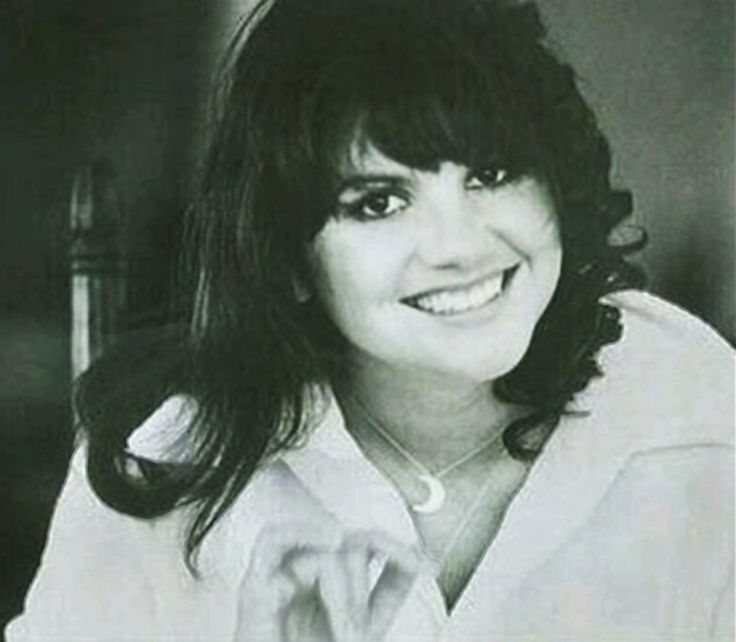
“I’ll Be Your Baby Tonight” is a soft promise sung at the edge of the evening—Linda Ronstadt turning Bob Dylan’s country-lullaby invitation into something tender enough to feel like shelter.
The most important truth about “I’ll Be Your Baby Tonight” in Linda Ronstadt’s hands is that it comes from before the world crowned her a superstar. She recorded it in the earliest chapter of her solo life, when her voice was already unmistakable but her name was not yet a headline. Ronstadt’s version was issued in March 1969 on Hand Sown … Home Grown (Capitol Records), her first solo studio album credited entirely to her, produced by Chip Douglas. The song itself is a Bob Dylan composition—first released by Dylan on John Wesley Harding in December 1967—and it arrived already wearing that gently country suit, the kind of late-night song that doesn’t shout its desire so much as offers it a chair by the fire.
Ronstadt’s recording was not a major chart event, and that matters to the story. In fact, the single pairing of “Baby, You’ve Been on My Mind” (A-side) with “I’ll Be Your Baby Tonight” (B-side) did not enter the Billboard Hot 100—a small, almost humbling detail that feels poignant now, knowing what she would become. It’s the sound of an artist in the hallway, not yet on the main stage, already singing as if the room is full.
And what a room she creates.
Dylan’s original is famous for its calm confidence—an invitation delivered with the casual grace of someone who understands that the night is short and loneliness is real. The lyric speaks in plain images: close the door, don’t worry, let the day fall away. It’s courtship without fireworks, intimacy without spectacle. Ronstadt keeps that core, but she changes the emotional temperature. Where Dylan can sound wry—like he’s smiling slightly at the simplicity of what he’s offering—Ronstadt sounds sincerely invested. In her phrasing, the promise doesn’t feel like a line; it feels like a decision.
That difference is everything, especially when you listen with a little life behind you.
Ronstadt was always an interpreter of rare empathy. Even at this early point, she had an instinct for stepping inside a lyric and making it feel personal without overacting. Her voice here has a youthful clarity, but it isn’t naïve. It carries that familiar Ronstadt trait: strength held in reserve. She doesn’t oversell the sentiment—she lets the melody do its gentle work, like hands smoothing a wrinkled sheet. The result is seductive in a uniquely domestic, human way: not “come be dazzled,” but “come be safe for a while.”
That’s the deeper meaning of the song, and it’s why it endures. “I’ll Be Your Baby Tonight” isn’t really about conquest or grand romance. It’s about a pause in the storm. It’s about the moment when the world finally quiets down and two people admit—without pride, without performance—that they’d rather not spend the night alone. The lyric’s genius is its simplicity: it doesn’t promise forever; it promises tonight. And for anyone who has ever needed a night to be kinder than the day, that promise can feel profound.
Placed on Hand Sown … Home Grown, the song also tells you something about Ronstadt’s early artistic compass. She was already reaching toward material with emotional intelligence—songs that could live in the overlap between folk, country, and rock without belonging to only one camp. Choosing two Dylan covers for a debut solo album was a statement, even if it was a quiet one: she wasn’t aiming merely to sing prettily; she was aiming to sing meaningfully.
There’s also a certain nostalgia in hearing this track as an early photograph. Later Ronstadt would become known for the big, definitive vocals—the kind that could lift a chorus into the air and pin it there. Here, you hear the same instrument, but closer to the source: less “star power,” more “person.” It’s a reminder that greatness often arrives long before recognition does. Sometimes it arrives when the charts are silent, when the radio isn’t paying attention, when a singer is simply choosing a song that fits the shape of her heart.
So if you return to “I’ll Be Your Baby Tonight” now, try to hear it not as a footnote to her fame but as a small cornerstone. It’s Ronstadt learning—already brilliantly—how to make another writer’s words feel like her own lived truth. And it leaves you with that bittersweet, beautifully grown-up comfort that only certain songs can offer:
Not every night can be saved.
But some nights can be softened.
And sometimes, that is more than enough.