
A Hymn to Enchantment and the Unruly Spirit of Feminine Mystery
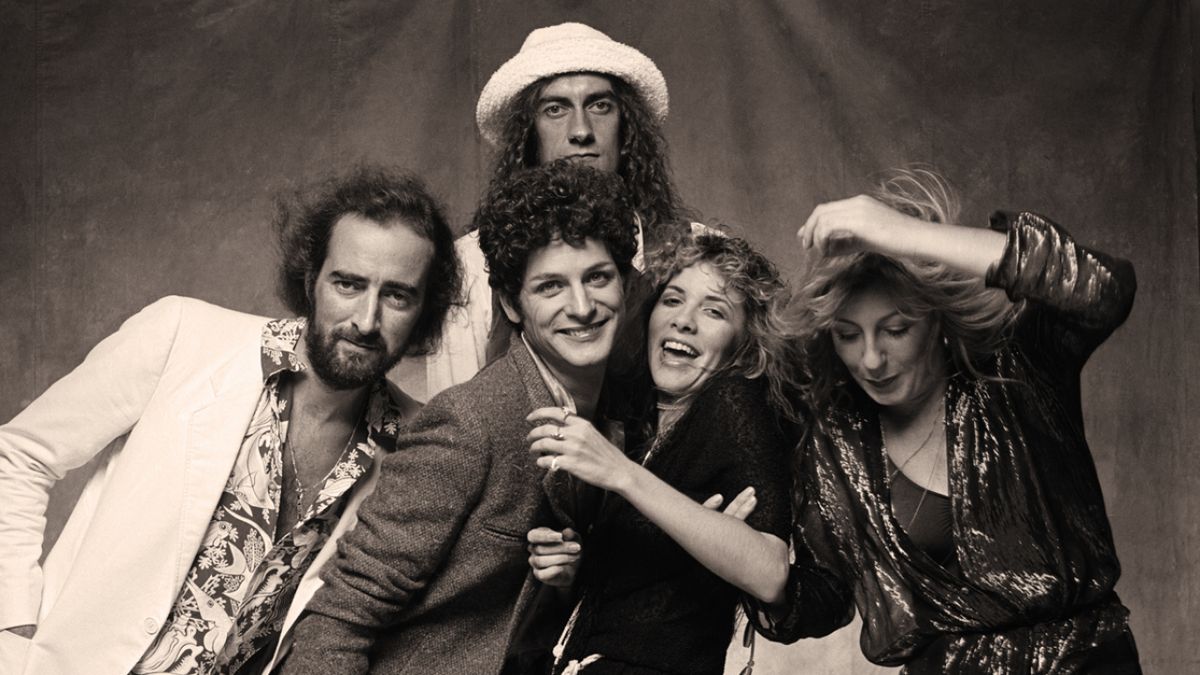
When Fleetwood Mac released “Rhiannon” in 1975 as part of their self-titled album Fleetwood Mac, the song quickly became a defining moment not only for the band’s evolving sound but for the newly joined Stevie Nicks, whose voice and mystique reshaped the group’s identity. Upon its release as a single in early 1976, “Rhiannon” climbed into the top ten of the Billboard Hot 100, solidifying Fleetwood Mac’s transition from a respected British blues outfit into one of the most magnetic pop-rock forces of the decade. The track’s ethereal energy and unmistakable refrain established Nicks as an otherworldly presence in popular music—an artist who could weave myth, sensuality, and strength into a single, unforgettable performance.
At its core, “Rhiannon” is not merely a song—it is an invocation. Inspired by a character from Welsh mythology, Rhiannon is depicted as a goddess or enchantress associated with horses, freedom, and otherworldly beauty. Nicks encountered the name through a novel she read before realizing its mythic origins, yet her instinctive interpretation of Rhiannon as a woman defined by both power and elusiveness became its own kind of legend. The song channels this duality—of enchantment and distance, possession and release—through its lyrical ambiguity and hypnotic composition.
Musically, “Rhiannon” captures that tension between grounded rhythm and airy transcendence. Lindsey Buckingham’s taut guitar lines dance alongside Mick Fleetwood’s crisp percussion, creating a sense of propulsion that feels almost ritualistic. Christine McVie’s keyboards shimmer like light refracted through smoke, while Nicks’ vocal performance—alternating between whisper and cry—anchors the song in emotional truth. Her delivery evokes not just longing but transformation; each repetition of the title feels like an invocation, as though she’s summoning something ancient within herself and her listeners alike.
The cultural resonance of “Rhiannon” cannot be overstated. It was one of the first moments when Nicks’ artistic persona—the witchy poet draped in chiffon—became inseparable from her voice. Yet beneath that iconic image lies something deeper: a meditation on independence and mystery in womanhood at a time when pop music rarely allowed women to inhabit such complex space. “Rhiannon” is neither submissive nor overtly rebellious; it exists somewhere more interesting—in that liminal space where self-possession becomes its own form of rebellion.
Nearly half a century later, the song remains an enduring emblem of mystique in rock music—a spell cast across generations. Each time it plays, it reawakens that same windblown energy that first captivated audiences in 1976: a timeless reminder that some spirits can never be contained, only conjured.