
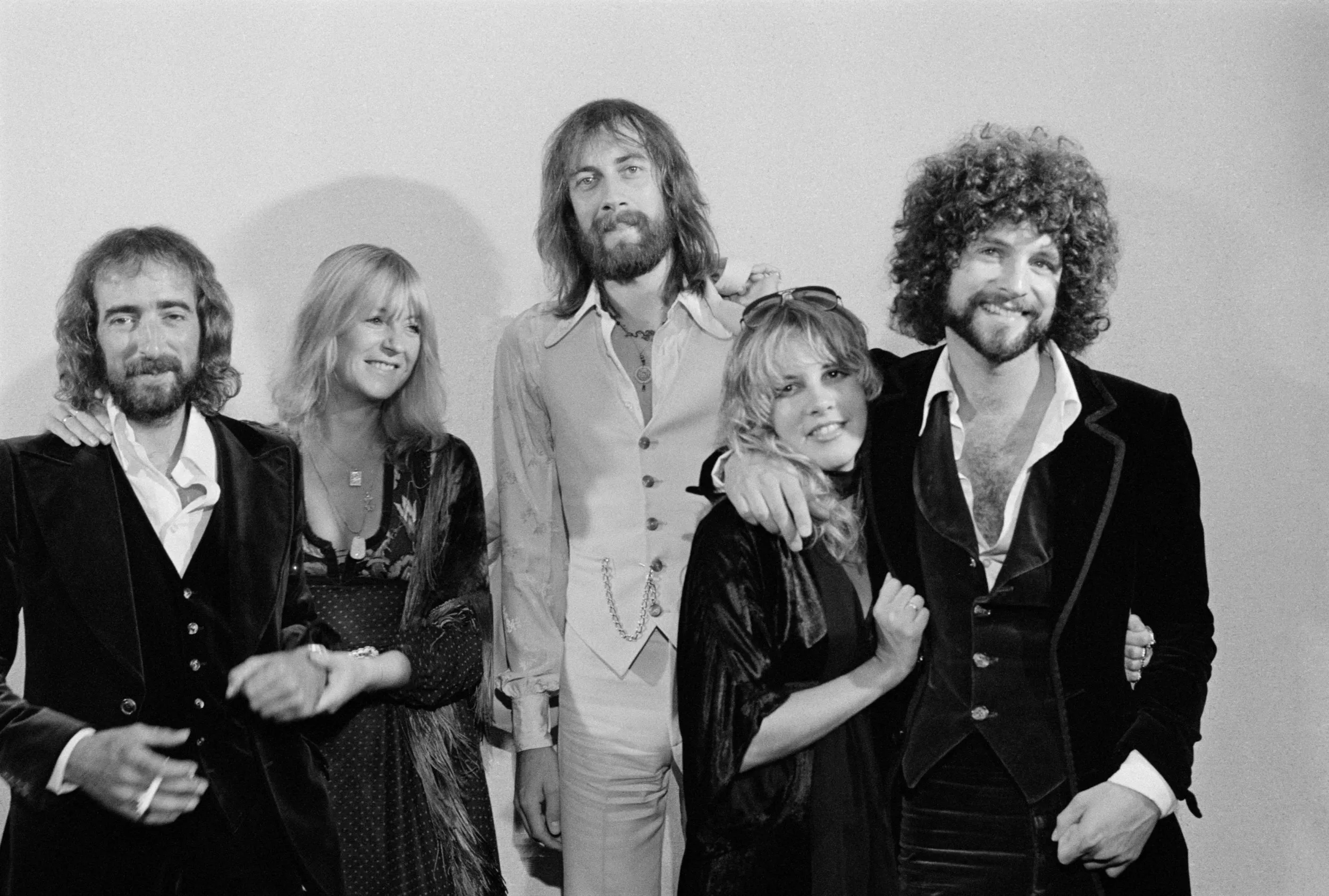
The Sound of Breaking Free: Love’s Farewell Set to the Pulse of Rock’s Restless Heart
When Fleetwood Mac released “Go Your Own Way” in December 1976 as the lead single from their monumental album Rumours, it signaled more than just the arrival of a future classic—it marked the crystallization of emotional turmoil into artistic triumph. The song rose swiftly on the charts, reaching the Top 10 on the Billboard Hot 100, becoming one of the band’s most enduring anthems and a cornerstone of 1970s rock radio. But beyond its commercial success, it stands as a document of raw honesty: a love song turned inside out, where bitterness and independence intertwine in glorious, ragged harmony.
At its core, “Go Your Own Way” is Lindsey Buckingham’s open wound set to music—a personal reckoning with the unraveling of his relationship with Stevie Nicks, written and recorded amidst the emotional chaos that defined the sessions for Rumours. This was not just another breakup song; it was Buckingham’s catharsis laid bare before his bandmates, including the very woman who inspired it. The tension between private heartbreak and public performance gave the track its volatile power. Every strum feels like defiance, every vocal line like an argument revisited. The recording process itself mirrored this intensity—Buckingham insisted on sharp, churning guitar textures that reflected both frustration and liberation. His arrangement blurred the line between pop melody and primal release.
Musically, the song captures a perfect storm: Mick Fleetwood’s off-kilter drumming—a rhythmic signature as unpredictable as heartbreak itself—anchors Buckingham’s driving acoustic rhythm and those serrated electric guitar flourishes that slice through the mix with almost physical force. Beneath it all lies John McVie’s steady bass, grounding the chaos while allowing the song to soar. The production, overseen by Buckingham with contributions from Ken Caillat and Richard Dashut, achieves a remarkable balance: lean yet explosive, clean yet emotionally unrestrained. Each instrument feels alive with urgency, as though caught mid-argument.
Lyrically, Buckingham distills complex emotions into elemental statements—resentment, longing, resignation—all delivered with a rawness that resists refinement. The refrain does not plead; it releases. It is both a farewell and a challenge, expressing not only heartbreak but also an insistence on autonomy. In that sense, “Go Your Own Way” transcends its autobiographical roots to become something universal: an anthem for anyone who has loved fiercely enough to walk away when love could no longer heal.
The legacy of “Go Your Own Way” endures because it captures one of rock’s most human truths—that freedom often arrives dressed as loss. Decades later, its opening guitar still cuts like memory itself: bright, jagged, and unrelenting. To play it now is to relive not only Fleetwood Mac’s internal fractures but also the enduring power of turning pain into art that refuses to fade.