
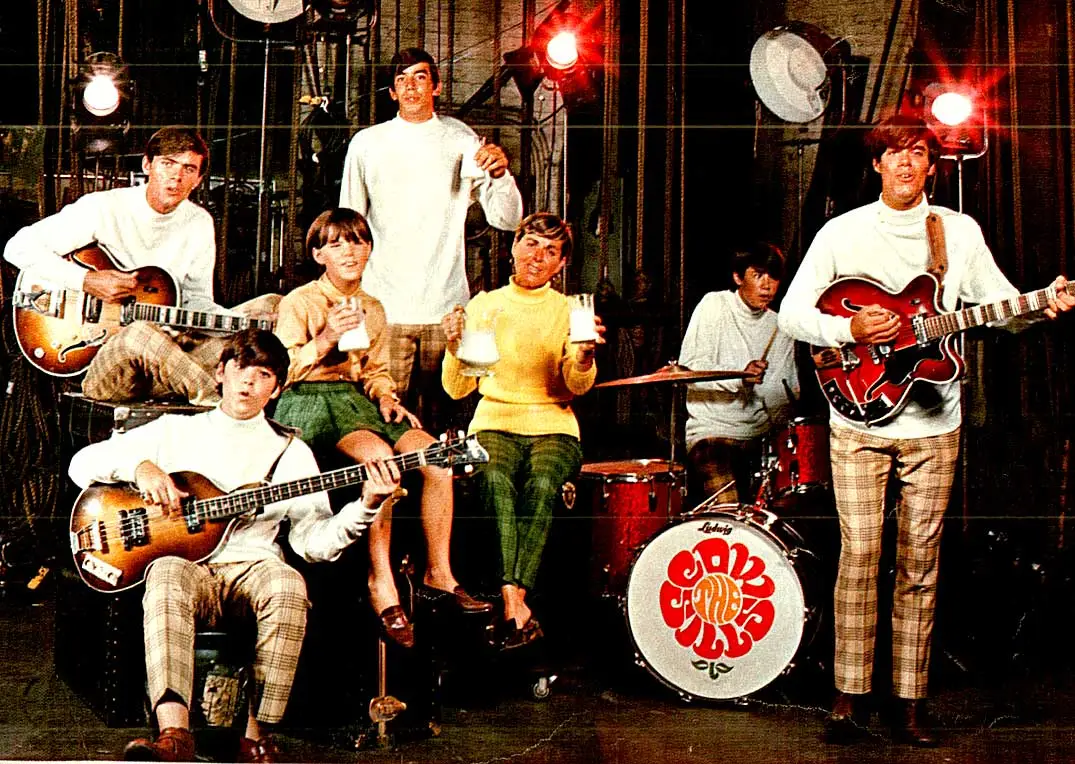
A Jubilant Rebellion Wrapped in Sunshine Harmony
When “Hair” by The Cowsills burst onto the airwaves in early 1969, it was an unexpected collision of Broadway counterculture and wholesome pop. Released as a single from the family band’s album The Cowsills in Concert, their radiant cover of the title song from the rock musical Hair soared to No. 2 on the Billboard Hot 100. In a year steeped in turbulence and transformation, this cheerful, polished adaptation of a radical anthem captured America’s ear—and perhaps its conflicted heart. For a few sparkling minutes, The Cowsills, known for their clean-cut image and meticulous harmonies, bridged the generation gap between suburban living rooms and the freewheeling spirit of the age.
Behind its buoyant veneer lies a fascinating paradox. The original song from Hair: The American Tribal Love-Rock Musical was born as a celebration of freedom, individuality, and youthful defiance. Its lyrics glorified hair as a symbol of liberation from conformity—an emblem of identity that could not be controlled or cropped by authority. When The Cowsills reinterpreted it, they did so not with irony but with sincerity; they transformed the underground anthem into something accessible to mainstream America. Their version shimmers with layered vocal harmonies, bright brass arrangements, and the kind of melodic precision that had become their hallmark. In doing so, they brought the counterculture’s rallying cry into homes that might otherwise have dismissed it.
The effect was both subversive and sweetly innocent. To hear the eldest siblings and their mother sing about “long beautiful hair” on national radio was to experience a moment where rebellion wore a smile instead of a snarl. Their rendition didn’t mock or dilute the message—it reframed it through optimism. Rather than snarling at societal expectations, they seemed to invite understanding. This tension—between the song’s rebellious origins and its family-friendly presentation—mirrors the cultural crossroads of late-’60s America: traditional values beginning to sway under the rhythm of youth-driven change.
Musically, “Hair” is an exercise in joy carefully orchestrated. The arrangement is crisp yet exuberant; every note gleams with studio polish while retaining an almost giddy spontaneity. Beneath its surface sheen lies a sense of generational dialogue—the sound of idealism being translated across cultural divides. It’s as if The Cowsills were saying: even in conformity, one can find liberation; even within sweetness, there can reside strength.
More than half a century later, “Hair” remains one of pop’s most intriguing contradictions—a peace offering disguised as a protest song. It embodies a moment when innocence met rebellion head-on and harmony triumphed over discord—not by erasing difference but by singing through it.