
Confidence, Wit, and the Art of Self‑Worth in a World Obsessed with Appearances
When Shania Twain released “That Don’t Impress Me Much” as a single from her monumental 1997 album Come On Over, she was not merely adding another hit to her chart‑topping repertoire—she was crystallizing an entire cultural moment. The track stormed international charts in 1998 and 1999, reaching the Top 10 across multiple countries, including the United Kingdom, Canada, Australia, and throughout Europe. In the United States, it became one of Twain’s defining crossover successes, reinforcing her status as the preeminent figure of late‑’90s pop‑country fusion. By this point, Come On Over had already begun its transformation from a best‑selling record into a phenomenon—eventually becoming one of the highest‑selling albums by any female artist in history. Yet amid all that commercial triumph, “That Don’t Impress Me Much” stands apart for its spirit: playful, sharp‑tongued, and radiantly self‑possessed.
At its heart, the song is a masterclass in tonal balance—a blend of humor and empowerment delivered through Twain’s signature warmth and knowing wink. Written by Twain alongside producer‑husband Mutt Lange, it embodies their collaborative chemistry: his immaculate pop polish meeting her instinct for narrative flair. Where many country songs of the era leaned into sentimentality or heartbreak, Twain offered something bolder—a wry dissection of male vanity and superficial charm. The song’s narrator lists archetypes of masculine success—the intellectual, the handsome drifter, the high‑status driver—and dismisses each with a shrug. What matters isn’t intellect or image but authenticity and emotional connection. It’s an anthem for those unwilling to settle for style over substance.
Musically, “That Don’t Impress Me Much” captures the duality that defined Twain’s artistic identity. Its rhythm section carries the crisp drive of pop rock; its twangy guitars nod toward her country roots; its production gleams with late‑’90s sheen designed for both radio airplay and stadium roar. The melody hooks instantly but never loses its cool detachment—proof that empowerment doesn’t always need to shout. There’s an almost cinematic quality to the arrangement: spacious yet propulsive, confident yet light on its feet. Lange’s production frames Twain’s voice like a spotlight—every syllable dripping with bemused authority.
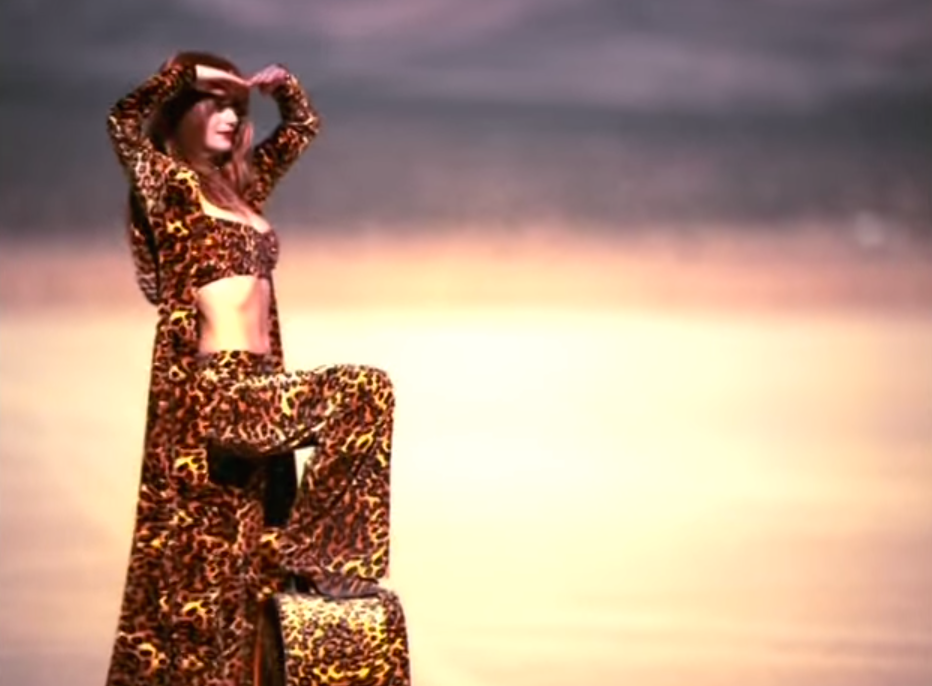
Culturally, the song arrived at precisely the right moment. As the century neared its close, pop culture was drowning in glossy images of perfection—boy bands sculpted to ideal proportions, divas wrapped in glittering artifice. Into this world strode Shania Twain in leopard print—a vision equal parts glamour and rebellion—singing not about longing for love but setting standards for it. Her wit disarmed audiences who might have expected traditional femininity; instead they found intelligence wrapped in irresistible hooks. The track’s feminist undercurrent was subtle but unmistakable: a declaration that charisma means little without sincerity.
Over time, “That Don’t Impress Me Much” has become more than just a hit single—it’s a snapshot of late‑1990s confidence, when artists like Twain blurred genre lines and reframed what female autonomy could sound like on mainstream radio. Its enduring appeal lies in its paradoxical grace: playful yet profound, flirtatious yet firm in conviction. To revisit it now is to remember an era when pop music dared to laugh at ego while celebrating independence—and few ever did it with as much charm as Shania Twain.