
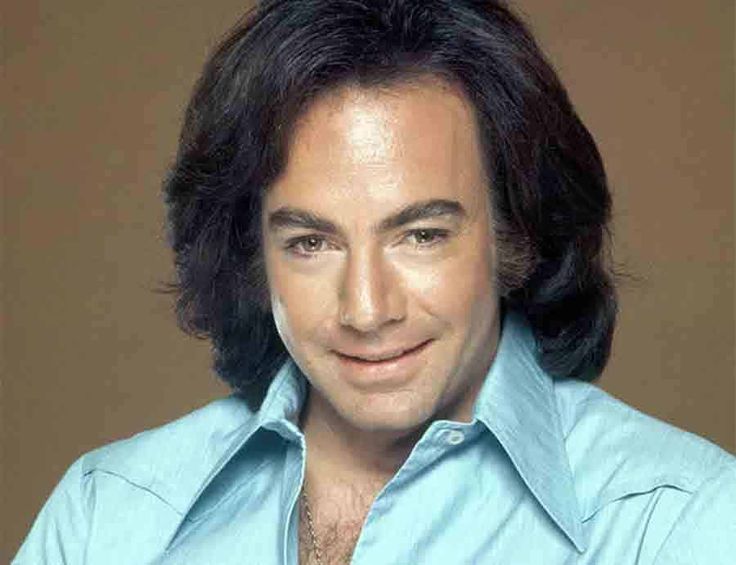
“Blackbird” in Neil Diamond’s voice feels like a late-night blessing—an old wound acknowledged gently, then sent back into the world with permission to heal.
When Neil Diamond sings “Blackbird”, he doesn’t approach it like a “Beatles cover” meant to impress you with fidelity. He approaches it like a man who has lived long enough to understand why certain songs become companions—not just melodies, but small lifelines you return to when you need your feet back under you. His version appears on Dreams (released November 2, 2010), an album of intimate acoustic-minded covers that Diamond described in the liner notes as favorites—songs he wanted to inhabit, not decorate.
That context matters, because Dreams arrived with a quietly strong public reception: it reached No. 8 on the Billboard 200, a remarkable showing for a late-career covers record built on understatement rather than spectacle. And within that album, “Blackbird” is placed early (track 2), as if Diamond wanted the listener to hear, right away, what kind of mood this record intends to carry—softly reflective, emotionally direct, unhurried.
The original “Blackbird”—of course—is The Beatles’ 1968 gem from the so-called White Album, written by Paul McCartney (credited to Lennon–McCartney) and performed essentially as a solo piece. McCartney has spoken of its inspiration in connection with the U.S. civil rights struggle, giving the song its enduring moral backbone beneath the gentleness. That backbone is exactly what makes the song so durable: it isn’t merely pretty. It’s hopeful in a way that costs something—hope offered to someone who has been asked to carry too much.
So what changes when Neil Diamond steps inside it?
First, the temperature shifts. The Beatles’ original feels like dawn light—clean, private, youthful and resolute. Diamond’s performance feels more like evening—warm, seasoned, and quietly grateful for survival. On Dreams, he produced the album himself, and the production choices are telling: the sound is close and human, leaving room for breath and phrasing rather than chasing glossy grandeur. The personnel credits even highlight a small, evocative detail—Gabe Witcher on fiddle for “Blackbird”—a touch that gently nudges the song into Diamond’s American songbook universe without pulling it away from its core.
Diamond’s greatest gift here is his patience. He doesn’t rush the lyric’s promise. He lets the line about broken wings and learning to fly sit in the air like something you’re allowed to believe again. And that becomes the deeper meaning of this particular recording: not triumph, not performance, but permission. “Blackbird” is famously about rising—yet Diamond’s version suggests that rising isn’t always dramatic. Sometimes it’s simply getting through the night with your dignity intact, then standing up in the morning and trying again.
There’s also a quiet tenderness in how this song fits Diamond’s own long arc. By 2010, he was an artist whose voice carried decades—arena choruses, private confessions, public reinventions. Hearing him sing “Blackbird” feels like watching a seasoned storyteller honor someone else’s masterpiece with restraint and respect. He doesn’t claim it; he holds it. And in doing so, he reminds you what great songs really are: not trophies, but shelter.
If you return to Neil Diamond’s “Blackbird” when life feels heavy, it doesn’t demand optimism you don’t have. It offers a smaller, steadier thing: a hand on the shoulder, a calm voice saying the same message the song has always carried—there is still a moment to arise, even if you’ve been waiting a long time.