
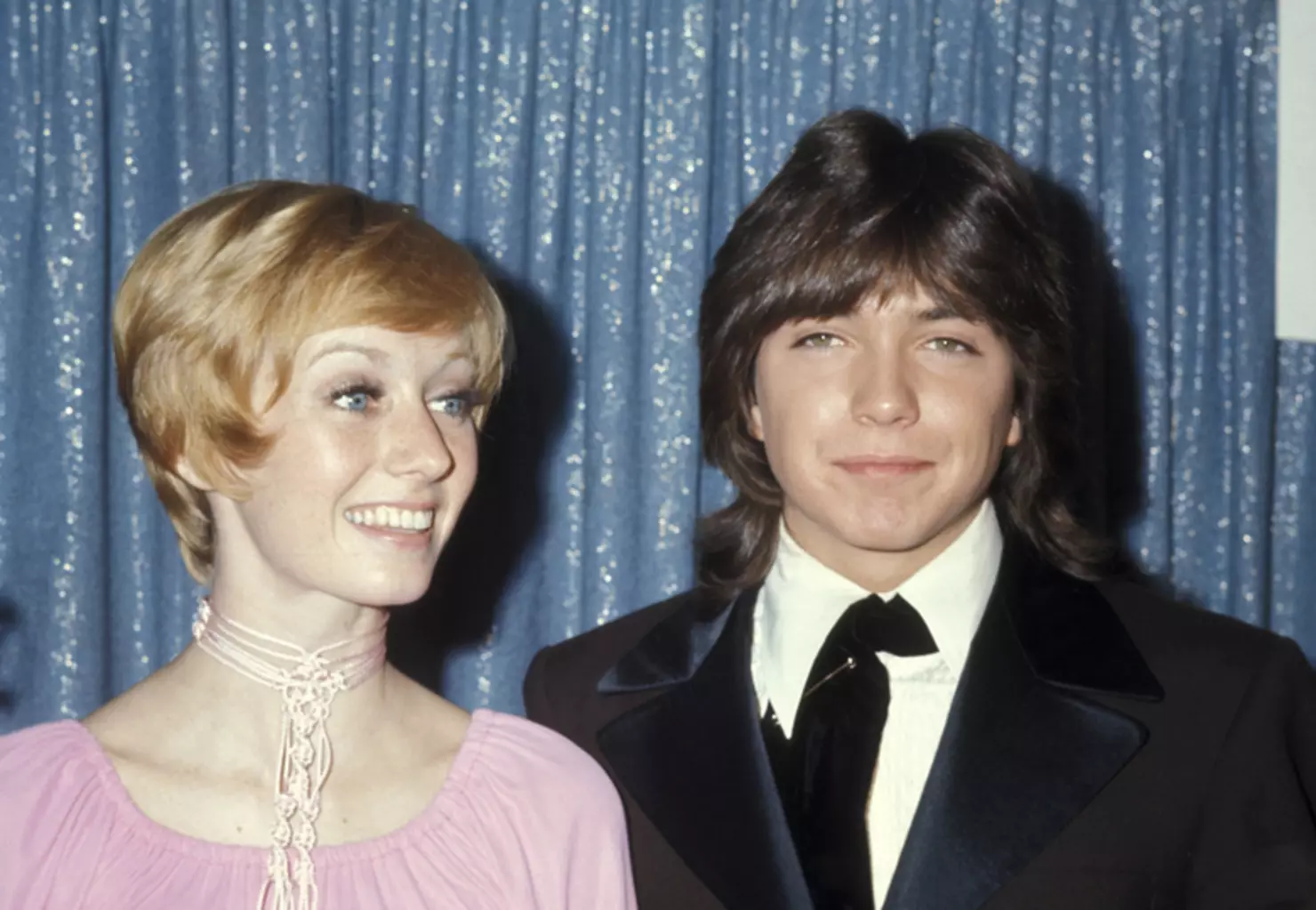
“Daydreamer” is a soft ache in pop clothing—David Cassidy singing the moment you realize a romance has slipped into memory, and all you can do is replay it in your mind like a favorite scene.
The essential facts land like the first notes: “Daydreamer” was released in 1973 on Bell Records, written by Terry Dempsey and produced by Rick Jarrard—and, in the UK, it became one of Cassidy’s defining solo singles. Issued as a double A-side with his cover of Harry Nilsson’s “The Puppy Song,” it entered the Official UK Singles Chart on October 13, 1973 at No. 8, then climbed to No. 1 on October 27, 1973, staying at the top for three weeks and running 15 weeks on the chart overall. In a neat, telling contrast, the same record was a phenomenon in Britain while failing to chart in the United States, a reminder that Cassidy’s solo stardom burned brighter on the UK airwaves than back home.
That UK love affair didn’t stop at the single. Both sides—“Daydreamer” and “The Puppy Song”—also appeared on Cassidy’s 1973 album Dreams Are Nuthin’ More Than Wishes, which reached No. 1 on the UK Albums Chart (the Official Charts record lists it among the UK’s No. 1 albums with a chart date in mid-December 1973). So even before we talk about meaning, the timeline already paints a picture: 1973 was the year Cassidy’s voice, unhooked from television, could still stop a country in its tracks—if that country happened to be the UK.
But “Daydreamer” doesn’t feel like a conquest song. It feels like a private weather system.
The lyric is built around a simple heartbreak image—rain, rainbows, and the unsettling truth that the colors you chase may never return. That emotional palette is exactly why the record still lands: it doesn’t dramatize loss with melodrama; it romanticizes the emptiness, the way the mind keeps walking through familiar places after someone has gone. You can hear it in the title itself—daydreamer—a word that carries both tenderness and a quiet self-reproach. Not quite “broken,” not quite “healed,” just… drifting, still hoping the daydream might turn solid again.
Musically, the track’s gentleness is not accidental. The recording credits (sourced from the original album liner notes) show a band of serious craftsmen behind the softness: Michael McDonald on Wurlitzer electric piano, Michael Omartian on piano, and a seasoned rhythm section supporting Cassidy’s vocal, with even a touch of recorder listed among the textures. Those details matter because they explain the song’s particular kind of intimacy. This isn’t a “big” record that tries to overwhelm you. It’s a carefully lit room—warm keys, unobtrusive groove—designed to let Cassidy’s voice do what it did best in that era: sound close enough to believe.
And the story around the release adds a human, almost cinematic flourish. The pairing with “The Puppy Song” wasn’t just a marketing trick; it became a cultural moment big enough that accounts note Cassidy flew to London to promote the single—a gesture that captures the scale of his UK pull in 1973, when a pop star could still feel like a visiting comet.
So what does “Daydreamer” mean, beyond its chart history?
It’s about the quiet addiction of remembrance—the way the heart, when it loses something, sometimes chooses imagination over acceptance because imagination hurts less at first. The song doesn’t lecture you out of that habit. It understands it. It turns longing into a place you can sit down for three minutes without being judged. And that’s why the record has aged with such grace: it doesn’t belong to a trend, it belongs to a feeling—one that returns whenever love becomes something you can’t touch anymore, only picture.
In the end, David Cassidy doesn’t sing “Daydreamer” like a headline. He sings it like a thought you didn’t mean to say out loud. And perhaps that’s the secret behind its lasting echo: not the fame, not the frenzy, but the gentle truth underneath—when someone leaves, the body stays put, but the mind keeps walking… chasing after rainbows it may never find again.