
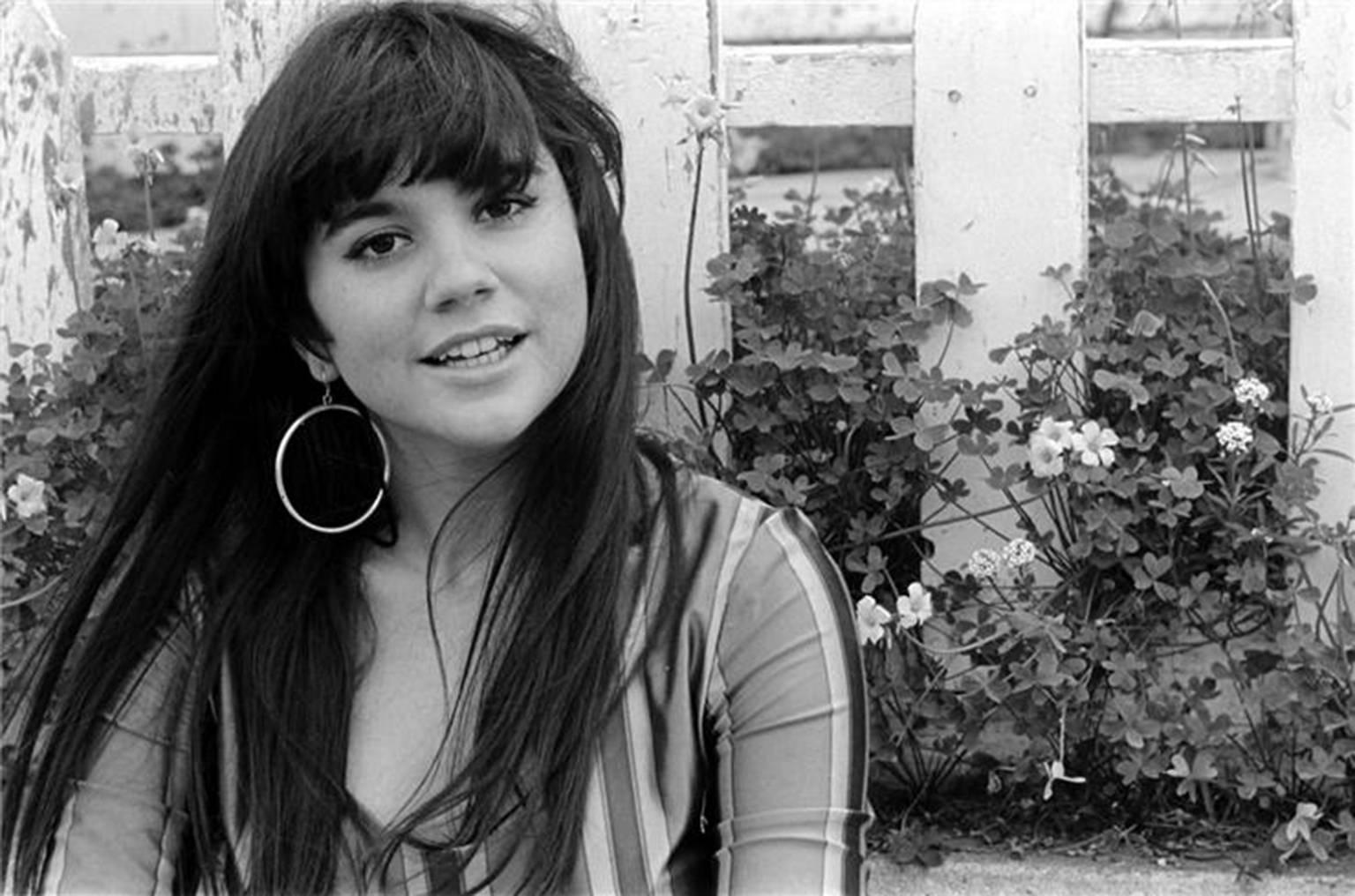
“La Barca de Guaymas” is a lantern-song—one that rocks gently on the water while carrying a sorrow too heavy to sink.
There are moments in music when a singer doesn’t merely interpret a song—she returns it to its birthplace, like bringing a family heirloom back to the old house and hearing, at last, where the silence came from. That is what Linda Ronstadt does with “La Barca de Guaymas (The Boat from Guaymas)”, a traditional piece woven into her landmark Spanish-language album Canciones de mi Padre. The album was released in November 1987 (often cited as November 24, 1987, with North American release details also pointing to November 13, 1987 in the original liner notes).
Because “La Barca de Guaymas” was not issued as a stand-alone pop single, its “arrival” is best measured by the album’s chart footprint—the moment the wider world officially noticed what Ronstadt had been carrying privately for years. Canciones de mi Padre debuted on the Billboard 200 dated December 12, 1987, and later reached a peak of No. 42. That’s a remarkable mainstream showing for an all-Spanish album rooted in mariachi and ranchera traditions—yet the numbers only tell you that it mattered, not why it mattered.
The “why” begins far from any chart. Canciones de mi Padre was Ronstadt’s first full album of Mexican traditional mariachi music—songs tied to family memory and to the musical life of Sonora, the region her heritage points back toward. The album was produced by Peter Asher and Rubén Fuentes, with Fuentes serving as musical director/bandleader, anchoring the project in authentic mariachi orchestration rather than crossover gloss. Even the lineup is a quiet statement of respect: the album draws on elite ensembles—Mariachi Vargas, Mariachi Los Camperos, and others—so the sound doesn’t “approximate” the tradition; it lives inside it.
And then there’s the song itself. “La barca de Guaymas” is widely treated as a traditional, public-domain piece—its authorship commonly described as anonymous—and it’s often spoken of as an unofficial hymn of the city of Guaymas in Sonora, interpreted by generations of singers. (As with many folk standards, stories about origins drift in and out of certainty: one account proposes a likely author, another suggests a lineage connected to a Colombian “Barcarola” that was later adapted in Mexico. The very existence of multiple origin tales is part of what makes the song feel like it belongs to the people, not to paper.)
If you listen the way an old radio host listens—ears tilted not just to melody but to meaning—you can hear the sea inside the phrasing. The lyric world is maritime and intimate at once: oars, waves, the sound of water, and a grief that seems to deepen with every ripple. This is not “travel” as adventure. It’s travel as separation. It’s a boat rocking between what was promised and what was lost, between the shore you left and the shore you may never see again.
What makes Linda Ronstadt extraordinary here is her restraint. She doesn’t oversell the pain. She trusts the song’s own weather. Her voice—so famous for its clarity—becomes something older, warmer, and more vulnerable, as if she’s singing to someone she can’t quite reach anymore, the way you speak when you don’t want your own voice to break. And because the arrangement is mariachi, the feeling isn’t merely “sad.” It’s dignified—sorrow held upright, dressed in formal clothes, walking slowly through a familiar street.
In the end, “La Barca de Guaymas” is a reminder that a song can be both map and mirror. It points to a real place—Guaymas—yet it also describes an inner landscape many recognize: the ache of distance, the memory of leaving, the lingering question of whether the heart ever truly returns to port. In Ronstadt’s hands, it becomes more than a traditional tune on an album. It becomes a vessel—carrying language, lineage, and longing—still afloat decades later, still rocking gently, still asking the listener to remember.