
A Promise Beyond Fear: The Eternal Bond Between Love and Protection
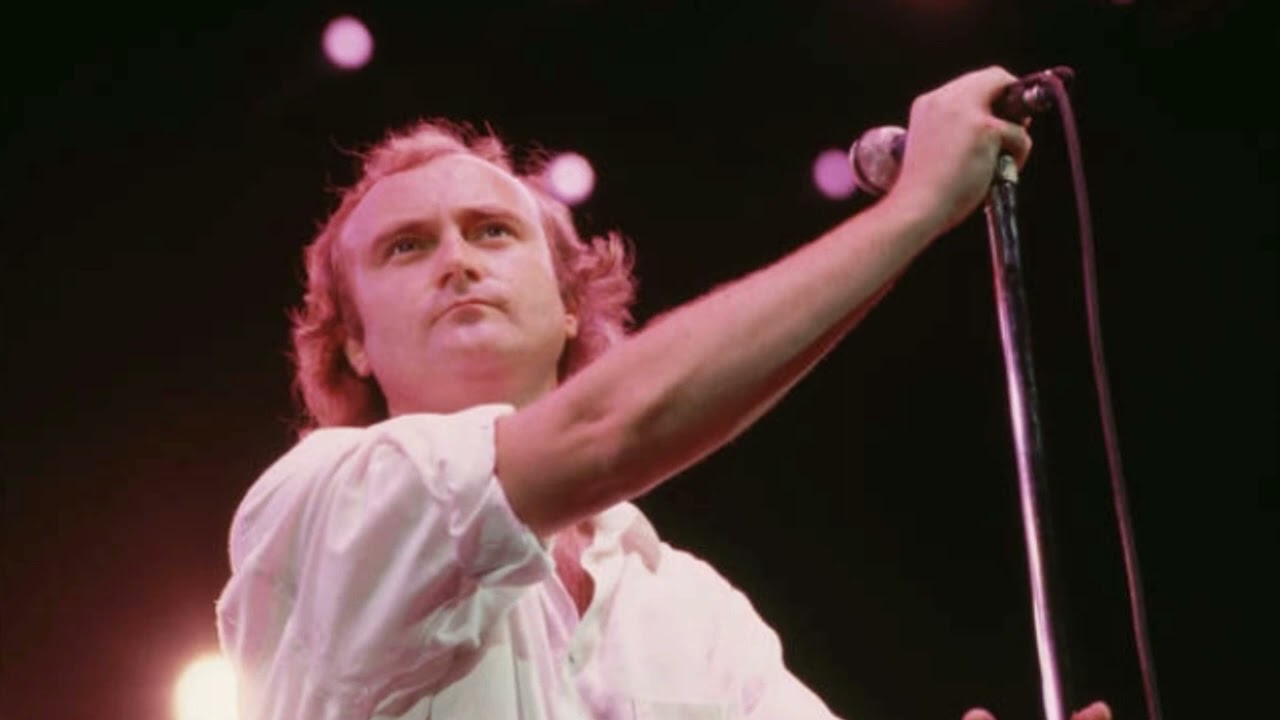
When Phil Collins released “You’ll Be In My Heart” in 1999 as part of Disney’s animated film Tarzan, few could have predicted that a song written for an animated feature would transcend its cinematic origins to become one of the defining ballads of his later career. Featured on both the film’s soundtrack and Collins’s 1999 album Tarzan: An Original Walt Disney Records Soundtrack, the single climbed into the Top 40 of the Billboard Hot 100, while conquering the Adult Contemporary chart, where it reigned for a remarkable nineteen weeks. It would go on to win the Academy Award for Best Original Song, reaffirming Collins’s mastery at blending pop craftsmanship with profound emotional resonance. For an artist whose career had already spanned decades—from the progressive intricacies of Genesis to his deeply personal solo work—this song stood as a late-century testament to his enduring ability to speak directly to the human heart.
At its core, “You’ll Be In My Heart” is a lullaby transformed into an anthem. Collins originally wrote it for his daughter Lily, infusing it with the tenderness of paternal love—the quiet, steadfast assurance that transcends both circumstance and time. Yet within Tarzan, its meaning expands beyond personal affection into something archetypal: a mother gorilla’s vow to protect her adopted human child against a world that refuses to understand him. The duality is striking—what begins as an intimate whisper becomes a universal declaration of unconditional care. Collins captures this transformation with disarming simplicity; there is no grandeur in the arrangement, no overreaching melodrama. Instead, his voice—weathered but warm—carries both vulnerability and conviction, turning what could have been sentimental into something profoundly sincere.
Musically, the song embodies Collins’s characteristic fusion of rhythmic subtlety and melodic immediacy. The percussion is gentle yet purposeful, evoking heartbeat and movement—the very essence of life’s continuity—while layered strings and synthesizers weave an atmosphere of luminous reassurance. The melody ascends gracefully, mirroring the emotional arc from fear toward trust, from solitude toward belonging. It is music that breathes; every pause feels intentional, every swell charged with meaning.
Thematically, “You’ll Be In My Heart” speaks to one of Collins’s lifelong preoccupations: connection amid separation. Throughout his discography—from Face Value’s confessions to …But Seriously’s meditations on compassion—he has sought ways to bridge emotional distances. Here, that pursuit finds its most distilled form: love not as possession or plea, but as presence. The song insists that protection can exist without control, that true care does not shield from pain but rather endures through it. It is this emotional truth that makes the piece linger long after its final chord fades.
In the broader canon of late 20th-century pop, “You’ll Be In My Heart” stands as one of those rare moments where commercial success and genuine artistic purity align perfectly. It reminds us that sincerity—delivered without irony or excess—can still command global resonance. Decades later, whether heard in the flicker of a childhood memory or through adult reflection, Collins’s promise continues to echo: love may be tested by time and distance, but its echo endures, eternally in our hearts.