
“Red Rubber Ball” is a small pop miracle about getting free: the moment you stop chasing a love that’s already let go, and you finally feel your own life bounce back into your hands.
Before we drift into the feeling, the facts matter—because this song has two distinct lives. “Red Rubber Ball” was written by Paul Simon and Bruce Woodley and first became a hit for the Cyrkle, released as a single on April 4, 1966, and rising to No. 2 on the U.S. Billboard Hot 100 (famously held off at No. 1 by the Beatles’ “Paperback Writer” during the week ending July 9, 1966).
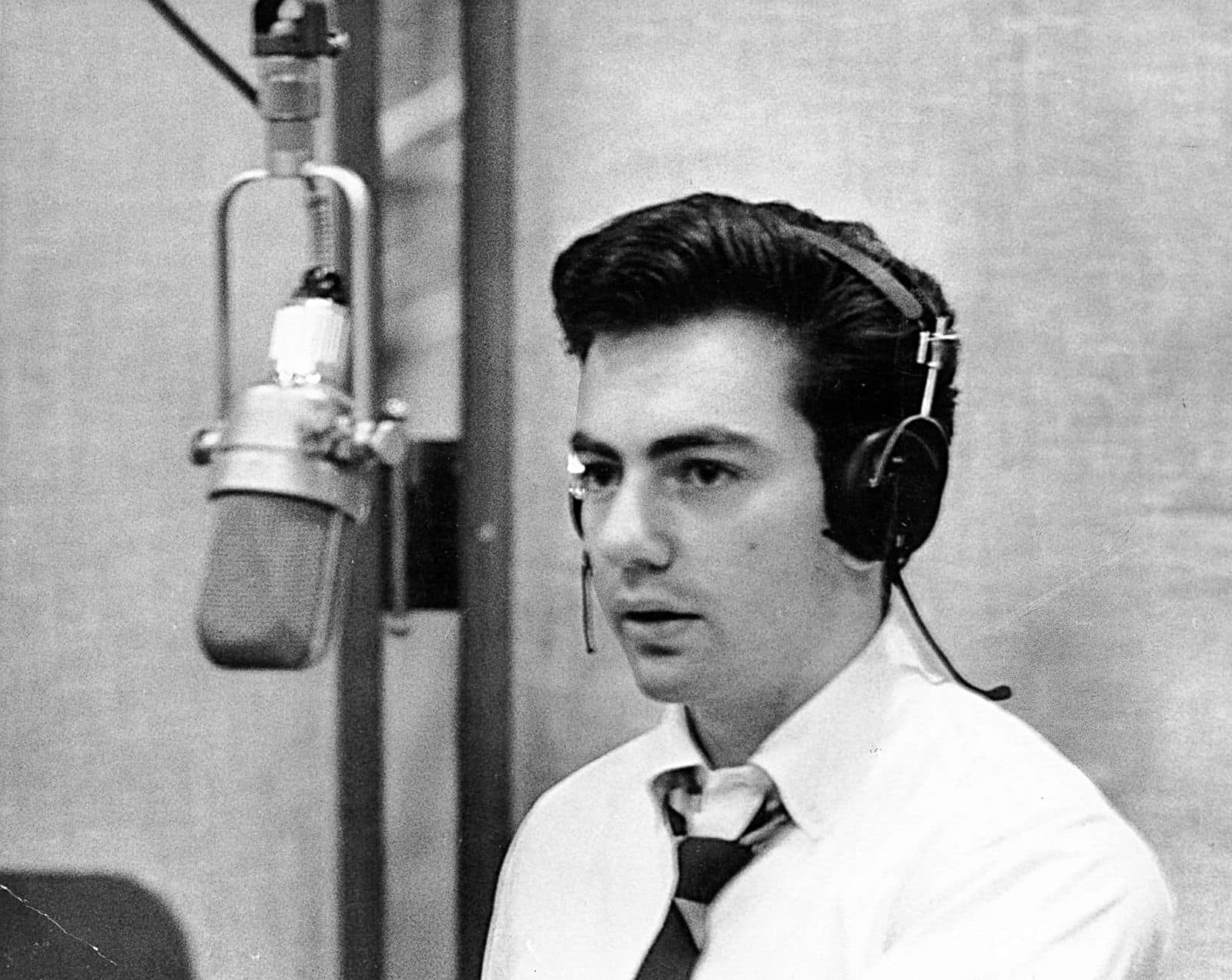
Neil Diamond recorded his own version the very same year—placing “Red Rubber Ball” on his debut album The Feel of Neil Diamond, released August 12, 1966 on Bang Records, produced by Jeff Barry and Ellie Greenwich. On Diamond’s album, it’s not a chart single and doesn’t carry a “debut position” story of its own; it lives as an album cut—an early snapshot of a young singer learning how to wear other writers’ songs without losing himself.
That’s the timeline. Now comes the tenderness.
What makes “Red Rubber Ball” endure—long after bubblegum pop fell out of fashion—is the emotional intelligence hidden inside its bright coat. It opens with the sting of a goodbye, but it refuses to stay there. The narrator doesn’t collapse; he learns. And that learning is the song’s true hook: a kind of grown-up optimism delivered with the speed and sparkle of mid-’60s radio. It’s heartbreak that doesn’t glamorize suffering. It says: you were mistreated, you were dismissed, but you are not ruined. You can move. You can live. You can rebound.
The image is perfect because it’s physical. A red rubber ball doesn’t shatter when it hits the ground—it returns. It comes back up, almost cheekily, as if gravity is only a suggestion. And if you’ve lived long enough to watch your own heart survive disappointments you once thought would finish you, you know why that metaphor feels so satisfying. It’s not naïve; it’s earned hope. The kind you arrive at after you’ve cried, after you’ve repeated the story to yourself too many times, and one day you realize you’re finally tired of bleeding for someone who didn’t stay to bandage the wound.
Neil Diamond’s version is especially interesting because it sits at the very beginning of his recording career—before the stadium anthems, before the mythic Diamond persona fully crystallized. On The Feel of Neil Diamond, he’s still a young Brooklyn storyteller stepping into pop’s fast-moving machinery, backed by producers who knew how to make a record punch through a transistor radio. And in that setting, “Red Rubber Ball” becomes more than a cover: it becomes a clue. Diamond could write with weight and drama—everyone knows that now—but here he shows he also understood the value of lift. The value of a song that doesn’t deny sadness, yet insists you won’t be owned by it.
There’s a gentle irony in the pairing of writer and singer, too. Paul Simon and Bruce Woodley wrote it, the Cyrkle made it famous, and then Neil Diamond—a songwriter who would soon become famous for his own intensely personal voice—borrowed it for his debut album like a young man borrowing a jacket from the cool older cousin: it doesn’t fit perfectly, but it teaches you something about posture.
So if you listen to Neil Diamond – “Red Rubber Ball” today, don’t listen for the “definitive” version. Listen for the moment it captures: a time when pop songs were allowed to be short, bright, and secretly wise; when heartbreak could be answered not by bitterness, but by momentum. It’s a song about leaving with dignity—about finding your own bounce again. And in a world that still offers plenty of reasons to feel heavy, that little two-minute lesson remains one of the sweetest kinds of medicine.