
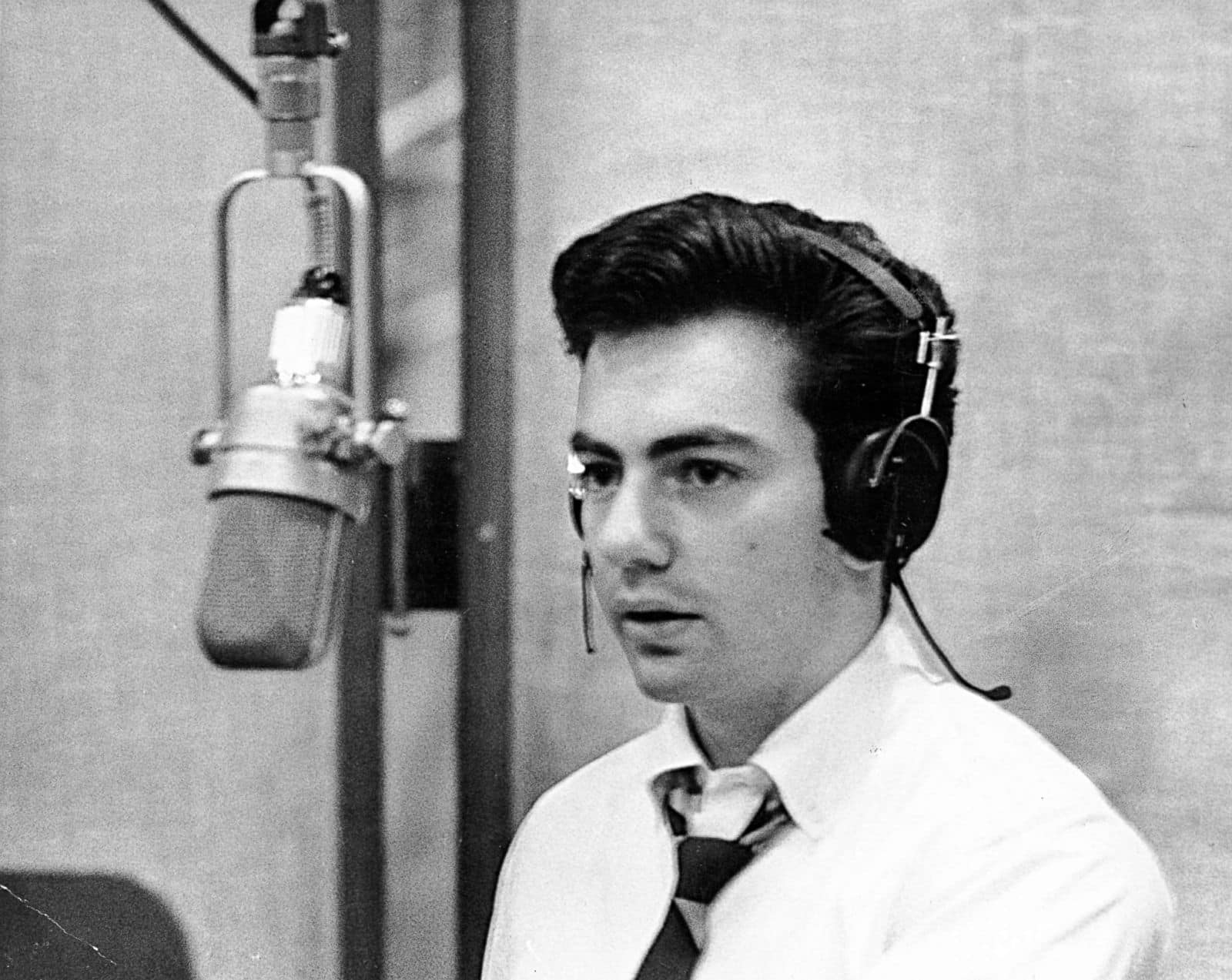
“Do It” is Neil Diamond at his earliest and most urgent—an almost breathless little command to live now, before the moment slips away.
If you know Neil Diamond mainly through the grand, later anthems—those stadium-sized choruses and late-night ballads—“Do It” can feel like finding an old snapshot where the eyes are the same but the world around him is smaller, faster, more combustible. The song first entered his story in 1966 as the B-side to “Solitary Man”, released during his first, formative run for Bang Records.
Those Bang years have their own unmistakable character: lean arrangements, punchy production, and a young Diamond singing as if the clock is always five minutes from midnight. Critics who’ve revisited that era often emphasize how his producers—Jeff Barry and Ellie Greenwich—helped shape that melding of pop drive and street-corner urgency; “Do It” is a perfect example of that energy, compact but insistent, built to hit and vanish like a spark.
The fascinating twist is that “Do It” didn’t stay a hidden flip forever. Years later, after Diamond had moved on to Uni/MCA and become a major star, Bang continued issuing compilation material from its vaults—and “Do It” resurfaced as a standalone single in the early 1970–71 period, now credited to the compilation Do It!. In the U.S., this reissued single reached No. 36 on the Billboard Hot 100 and No. 25 on Billboard’s Adult Contemporary chart—a genuine hit born from a song that had once lived in the shadows of another record.
That later single configuration tells its own small story about the era’s record-business push and pull. The discography listing shows the reissue as “Do It” / “Hanky Panky”, a pairing that feels like a Bang-era time capsule: brisk, catchy, built for radio’s short attention span, and powered by the kind of rhythmic snap that made Diamond’s earliest sides so memorable. And the compilation album Do It! itself—one of those Bang-assembled releases—registered on the U.S. album chart at No. 100 in the compilation-album chart history.
To understand why “Do It” still feels alive, it helps to place it back in the 1966 context. On the Bang compilation The Feel of Neil Diamond, “Do It” is listed as a short, direct performance—barely over two minutes—surrounded by other early cuts and covers that show him learning how to command a room with rhythm and phrasing rather than sheer volume. You can hear the young songwriter who had something to prove: not the mature storyteller meditating on time, but the hungry performer trying to outrun it.
The meaning of “Do It” is wonderfully blunt, and that bluntness is the point. It’s not a poetic essay on desire; it’s the raw imperative of youth—act now, feel now, don’t wait. In Diamond’s delivery, it becomes less about seduction and more about urgency itself: the awareness (even at a young age) that hesitation can be its own kind of loss. The song moves like a pulse—quick, bright, a little reckless—because it’s speaking to the part of us that knows the heart rarely gets what it wants by being careful.
There’s also something quietly poignant in the song’s second life as a hit. A track that began as a B-side—almost an afterthought in the marketplace—returned years later to claim real chart space, as if reminding listeners that some emotions don’t expire. They simply wait for the right moment to be heard. And when Neil Diamond sings “Do It,” you’re hearing the early blueprint of his lifelong theme: the call to step forward, to risk feeling something fully, to make the night count before the light changes.
That’s why the song endures—not because it’s his most famous, but because it’s unmistakably him: the same writer who would later fill arenas, still young enough here to sound like he’s singing with his sleeves rolled up, trying to grab life by the collar and say, with a grin you can practically hear: do it—while you can.