
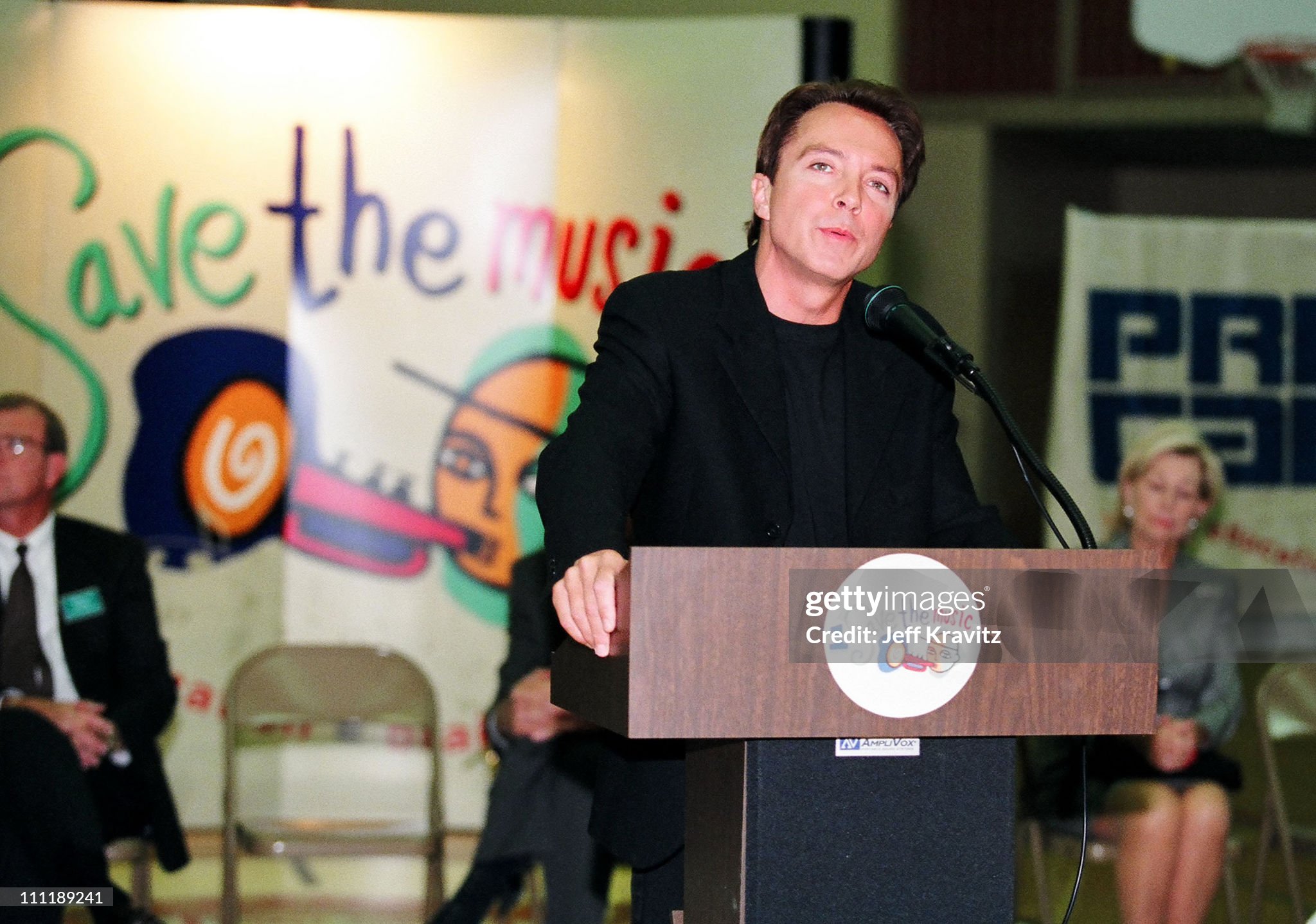
“Doesn’t Somebody Want to Be Wanted” is a bright, radio-friendly smile with a quiet shadow behind it—David Cassidy singing a question so simple it feels like a confession: isn’t it human to need to be chosen?
It’s easy to misremember this record as a “David Cassidy solo No. 1,” because his voice is so front-and-center that it feels personal, almost private. But the historical truth is more specific—and, in a way, more poignant: “Doesn’t Somebody Want to Be Wanted” was released in February 1971 as a single by The Partridge Family Starring Shirley Jones Featuring David Cassidy, on Bell Records, and it was recorded for their 1971 album Up to Date. That long artist credit tells you everything about the era: a fictional TV family presented like a real pop act, with David Cassidy as the emotional engine—the voice that made the songs feel like they belonged to whoever was listening alone in their room.
On the charts, the song’s “at-launch” impact was strong, but not a chart-topper in Billboard terms. It reached #6 on the U.S. Billboard Hot 100. It also peaked at #6 on Billboard’s Adult Contemporary chart, showing how quickly the song crossed from teen bedrooms into wider living rooms. In Canada, it went all the way to #1 on RPM, and it performed well in several other countries. If you’re looking for a “#1” claim tied to this era, one important nuance is that the song is often documented as a Cash Box #1 hit—another major U.S. chart of the time—helping explain why its reputation can feel even bigger than its Billboard peak.
The song was written by Mike Appel, Jim Cretecos, and Wes Farrell, with Wes Farrell also producing—names that sit behind the curtain of early-’70s pop, shaping choruses that could sound effortless while being engineered for maximum emotional pull. And the arrangement does exactly what it’s designed to do: it moves like a friendly conversation, a soft swirl of melody and strings, never too aggressive, never too showy—because the point isn’t to overpower you. The point is to get close.
What gives “Doesn’t Somebody Want to Be Wanted” its staying power is that it asks a question people rarely admit out loud. Not “Do you love me?”—that’s already dramatic. This is quieter, more vulnerable, more everyday: don’t you ever want to be wanted? The lyric doesn’t demand an answer; it simply reveals a longing that’s almost embarrassing in its honesty. And that’s why it works. Because behind all the glitter of pop culture, behind the fan magazines and the perfect hair and the television smile, the emotion underneath is something we recognize immediately: the fear that we’re present, but not essential.
There’s also a famous piece of behind-the-scenes tension that adds emotional color to the recording: accounts around the song note that David Cassidy disliked the track and especially resisted the spoken-word section—an unusual moment in a glossy pop single—yet it ended up becoming part of the record’s identity. That detail matters, because it mirrors the song’s theme. Even the singer—idolized, chased, surrounded by noise—was being asked to perform a kind of emotional exposure that didn’t feel comfortable. And somehow, that discomfort becomes part of the truth you can hear: the sense that beneath the shine, someone is trying to express need without losing dignity.
In the world of Up to Date, the song lands like a centerpiece: warm, accessible, and faintly bruised. It isn’t rebellion. It isn’t heartbreak theatre. It’s longing with good manners. And maybe that’s why, decades later, it still catches people off guard. You put it on expecting pure nostalgia, and suddenly you’re listening to a question that feels uncomfortably current—because wanting to be wanted never went out of style. It just learned to hide behind busier lives and louder distractions.
So if this song still tugs at you, it’s not because it’s “cute” or “vintage.” It’s because it tells the truth softly: that the deepest craving isn’t applause—it’s belonging. And in David Cassidy’s voice, framed by The Partridge Family, that truth arrives wrapped in sweetness… but it stays because it’s real.