
“Paradise” in John Fogerty’s hands is a protest song disguised as a porch-light hymn—bright melody, dark truth, and a deep ache for a home that industry can erase overnight.
The version you’re asking for—John Fogerty – “Paradise”—is Fogerty stepping into John Prine’s world with respect, restraint, and a storyteller’s conscience. It opens Fogerty’s album The Blue Ridge Rangers Rides Again (released September 1, 2009) as track 1, credited to John Prine, and timed at 3:50. That placement—right at the front—matters. Fogerty doesn’t treat this as a “nice cover.” He treats it like a mission statement: this record begins with a song about what gets taken from ordinary people, and how quietly it can happen.
If you want the cleanest “ranking at launch,” it’s the album that carries the chart story. The Blue Ridge Rangers Rides Again peaked at No. 24 on the US Billboard 200, reached No. 1 in Norway, and No. 3 in Sweden (with other strong European peaks as well). That’s an impressive late-career footprint for a set built largely from country, folk, and old-school American songcraft—especially in an era when mainstream rock often chased volume over intimacy.
The “behind the song” story starts long before Fogerty. “Paradise” was written and first recorded by John Prine for his 1971 debut, and it’s rooted in a very specific American wound: the devastation of surface coal mining in Muhlenberg County, Kentucky, name-checking Peabody and the town of Paradise—an entire place effectively wiped away in the name of energy and expansion. The lyric’s genius is that it sounds almost conversational, like an older relative telling the truth gently enough that a child can bear it—until the last line lands and you realize you’ve been listening to a tragedy. That is Prine’s trick: sweetness as a delivery system for grief.
Fogerty understood that trick immediately. In an interview quoted in Acoustic Guitar, Fogerty called the song “a touchstone” for those who object to corporations “run[ning] roughshod” over the powerless. That single remark explains why this cover feels so natural for him. Fogerty has always written with the common person in mind—working folks, forgotten towns, the moral weather of America. So when he sings “Mister Peabody’s coal train has hauled it away,” he isn’t borrowing outrage; he’s returning to one of his oldest themes: what happens when money and machinery decide the shape of a human life.
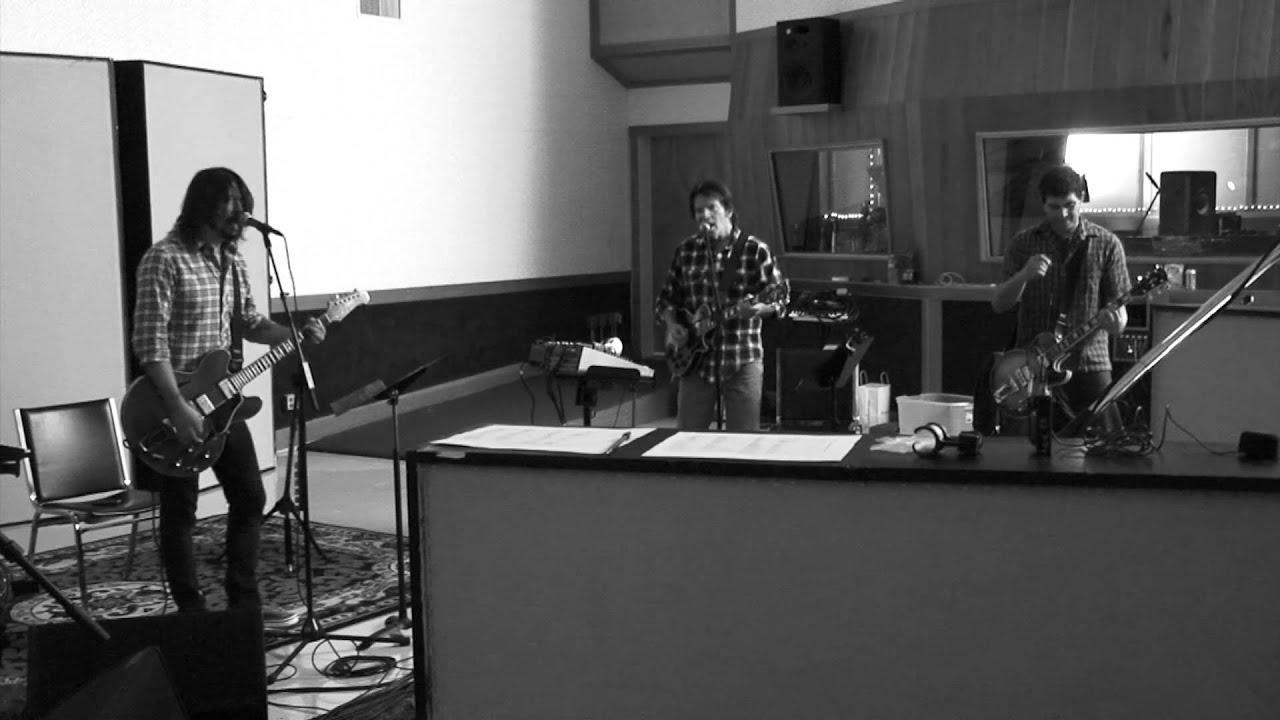
Now add the album’s own background, which gives Fogerty’s “Paradise” its warm, lived-in sound. The Blue Ridge Rangers Rides Again was recorded at Village Recorders in Santa Monica in a 10-day session, and Fogerty arranged and produced it. The record also features an earthy supporting cast—players like Buddy Miller and Greg Leisz among the listed personnel—musicians who know how to make a song feel like wood, wire, and breath instead of a studio product. You can hear that ethos in “Paradise”: it doesn’t strut. It settles. It rocks gently, like a train you can’t stop hearing in the distance.
And that’s where the meaning deepens. The title “Paradise” is a cruel word when it’s used for a place that no longer exists. Fogerty sings it with a kind of plain reverence, as if he’s holding the name carefully because the people who lived there deserve that much. The song becomes a memory-song—about rivers and childhood and the way a landscape can shape a person’s inner life. But it is also a warning: if “paradise” can be hauled away once, it can be hauled away again—different county, different year, same disappearing act.
What lingers most, after Fogerty’s last note, is the strange emotional combination the song achieves: anger without shouting, sorrow without collapse, nostalgia without denial. It’s a tune you could hum while driving—until you realize what you’re humming about. And maybe that’s exactly why it endures. Some truths only make it into the heart when they arrive wearing music that feels friendly.
So Fogerty’s “Paradise” isn’t just a cover. It’s a handshake across generations—John Prine telling the story, John Fogerty carrying it forward—so the name of a vanished place keeps being spoken, and the question at the center of the song keeps rising like the Green River itself: what do we call progress, when it leaves nothing for the people who loved the land?