
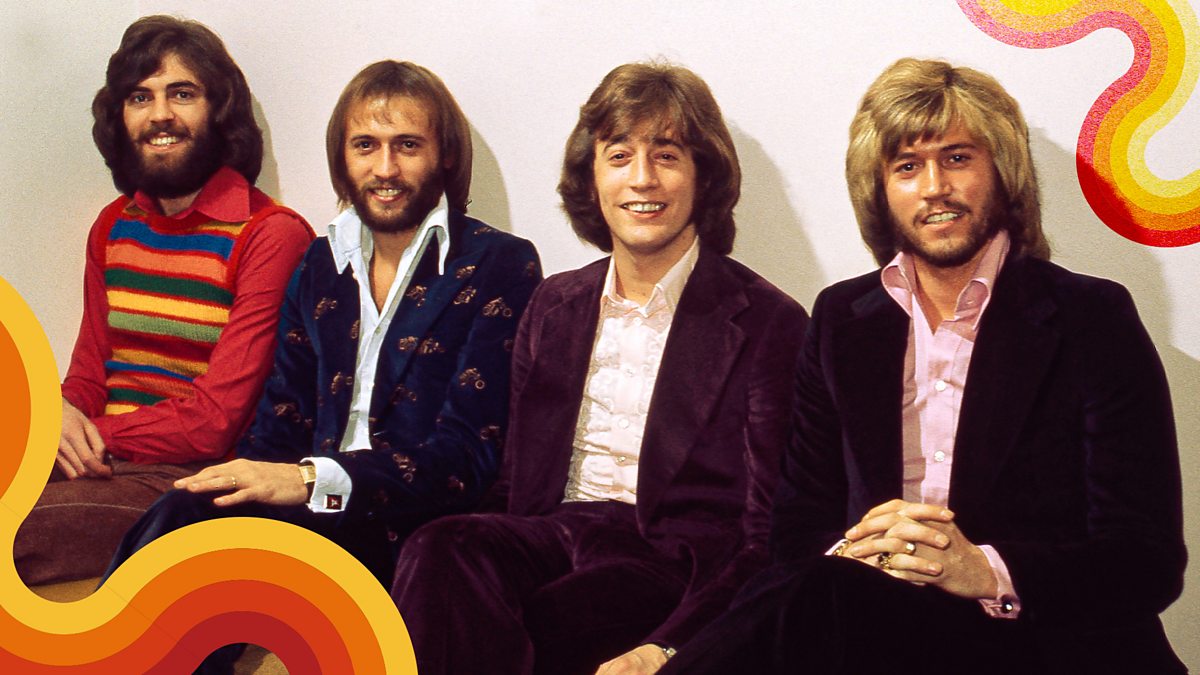
“Run to Me” is the Bee Gees’ soft-spoken promise that love can be a safe address—somewhere to go when the world feels too loud, and you can’t carry it alone.
Released on July 7, 1972, “Run to Me” arrived as the lead single from To Whom It May Concern, written by Barry Gibb, Robin Gibb, and Maurice Gibb, and produced by Robert Stigwood with the Bee Gees themselves. In the UK, it entered the Official Singles Chart at No. 50 (chart dated 16 July 1972) and later peaked at No. 9—a gentle climb that felt like word-of-mouth comfort, the kind that spreads because it’s needed. In the U.S., it debuted on the Billboard Hot 100 at No. 83 (dated July 29, 1972) and reached a peak of No. 16 on September 23, 1972, staying 12 weeks on the chart. And for listeners who found their way to the softer end of the dial, it also rose to No. 6 on Billboard’s Easy Listening chart.
Those numbers matter—but what matters more is the tone of the record: a hand held out without conditions.
The song was recorded on April 12, 1972 at IBC Studios, London, and it wears that early-’70s studio elegance with quiet pride: piano at the center, and the kind of orchestral shading that feels like dusk settling in. Vocally, it’s one of those Bee Gees performances where the brothers sound less like three separate singers and more like a single emotional instrument: Barry carrying the verses with warmth, Robin taking the chorus with that aching, unmistakable edge, and Maurice anchoring the harmony (and the piano) so the whole thing feels steady enough to lean on. The B-side, “Road to Alaska,” even hints at the same theme—movement, distance, the desire to be met somewhere along the way.
Critics heard the hook immediately. In its July 15, 1972 “Record Reviews,” Cash Box practically treated the chorus like a comeback headline, calling it a “speedy chart return” and praising that it “features their best chorus in years.” That’s a beautifully specific compliment, because it gets to the heart of why “Run to Me” lasts: the chorus doesn’t just arrive—it opens. It widens the room. It turns loneliness into something you don’t have to be ashamed of.
There’s also a small, revealing story behind it—one that says a lot about how songs travel. Robin Gibb later recalled that after the Bee Gees recorded “Run to Me,” Andy Williams cut it for one of his albums, and Robin suggested that if Williams had asked them to write a song directly, they might never have handed him this particular one—yet once it existed in the world, it found him anyway. That’s the strange fate of good songs: they don’t always belong to the first voice that sings them; they belong to the feeling they’re designed to carry.
And what feeling is that?
“Run to Me” is not love as fireworks. It’s love as refuge. The lyric’s central idea—run to me whenever you’re lonely… run to me if you need a shoulder—frames affection as something practical and human, not glamorous. Even the line about “now and then you need someone older” (in some hands, it could sound smug) becomes, here, almost tender: an admission that comfort sometimes comes from experience, from calm, from someone who won’t panic when you do.
Placed in the Bee Gees’ timeline, the song feels like a final deep breath of their early-’70s identity—lush, romantic, slightly melancholy—before later decades would demand reinvention and sharper edges. The album To Whom It May Concern itself was released in October 1972, and in many ways it sits at the end of a chapter: the Bee Gees still painting in soft pastels, still trusting strings and harmonies to say what ordinary conversation can’t.
If you return to “Run to Me” now, you may notice how little it begs for attention. It simply keeps its promise. It offers a place to rest—three minutes where longing is allowed to be gentle, and strength is defined not by pride, but by the courage to ask for closeness when you need it.