
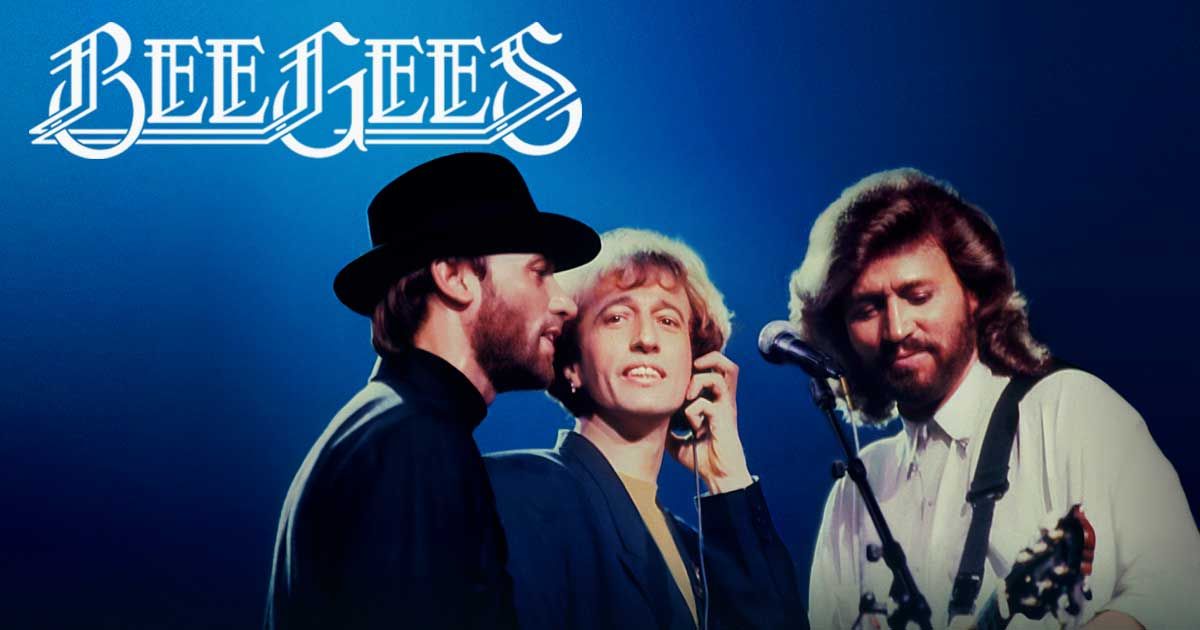
“When the Swallows Fly” is the Bee Gees’ quiet sermon on escape—an elegant 1968 ballad where longing takes the shape of migrating birds, and the heart learns that leaving can be both salvation and sorrow.
Here are the key facts up front, because they anchor the emotion in real time. “When the Swallows Fly” was recorded on June 18, 1968 and released on the Bee Gees’ album Idea in September 1968 (Polydor in the UK; Atco in the U.S./Canada). Barry, Robin & Maurice Gibb share the writing credit, with Barry Gibb on lead vocal; the core band lineup includes Maurice Gibb (bass/keys/mellotron), Colin Petersen (drums), Robin Gibb (backing vocal), and Vince Melouney (acoustic guitar). The song wasn’t a major single in 1968—but in 1971, when it was included on the Melody film soundtrack, it was released as a single in the Netherlands (B-side “Give Your Best”) and reached No. 20 on the Dutch Top 40.
Now—why does it feel like it carries more weight than its modest chart footprint suggests?
Because “When the Swallows Fly” is one of those Bee Gees songs that sounds like a lullaby until you realize it’s actually a map of restlessness. It belongs to the Idea era, when the brothers were writing in rich, baroque-pop colors—string-laced drama, soft psychedelic haze, melodies that move like thoughts you can’t quite stop. That album’s second side, in particular, has often been described as yearning toward escape, and “When the Swallows Fly” sits right inside that emotional weather: a gentle fantasy of leaving, of rising above the ground that’s beginning to hurt.
The song opens with a literary gesture that feels almost daring for a pop record in 1968: its first line echoes William Wordsworth’s famous poem “I Wandered Lonely as a Cloud.” That’s not mere decoration. It sets the tone immediately—solitude not as a brief mood, but as a condition. You’re not just sad; you’re floating, unmoored, watching your own life from a slight distance. And then the swallows appear—those small, determined creatures whose very nature is to leave at the right season, to trust the invisible geometry of migration.
In the Bee Gees’ hands, swallows become a symbol of the kind of freedom people dream about when staying has grown too heavy. Yet the brilliance is that the song never turns escape into a cheap triumph. It’s too emotionally intelligent for that. Leaving is portrayed as a need, yes—but also as a cost. Swallows don’t migrate because they hate home. They migrate because the world changes, because survival demands motion. That’s the ache beneath the beauty: the recognition that sometimes you don’t run toward happiness—you run toward air.
And Barry’s vocal makes that ache persuasive. There’s a softness to his delivery here—less the commanding frontman of later decades, more the young singer sounding out a private thought in a room full of echo. In the background, the harmonies arrive like a memory of belonging: voices close enough to comfort, yet not close enough to prevent the leaving. Even contemporary notes around the song capture that sense of affection inside the band—Robin later called it one of his favorites and singled out Barry’s vocal.
There’s also something poignant in the song’s afterlife. The fact that it finally charted as a single only in the Netherlands in 1971, thanks to its appearance connected to Melody, feels like the song enacting its own theme: it travels, it migrates, it finds a home later than expected. Some music doesn’t arrive with a trumpet blast; it arrives the way certain memories arrive—quietly, years later, when you’re ready to understand them.
So, “When the Swallows Fly” endures as a deep cut that behaves like a personal letter. It’s for anyone who has ever watched the season change in their own life and realized they might have to change with it—leave a familiar street, outgrow a familiar version of themselves, step away not because they stopped loving, but because they started needing to breathe. The Bee Gees don’t dramatize that moment; they dignify it. And that dignity—wrapped in melody, carried on small wings—may be the song’s truest gift.