
“Bet No One Ever Hurt This Bad” is the sound of loneliness sitting perfectly still—watching the rain, listening to the quiet, and realizing that heartbreak can feel like a whole room closing in.
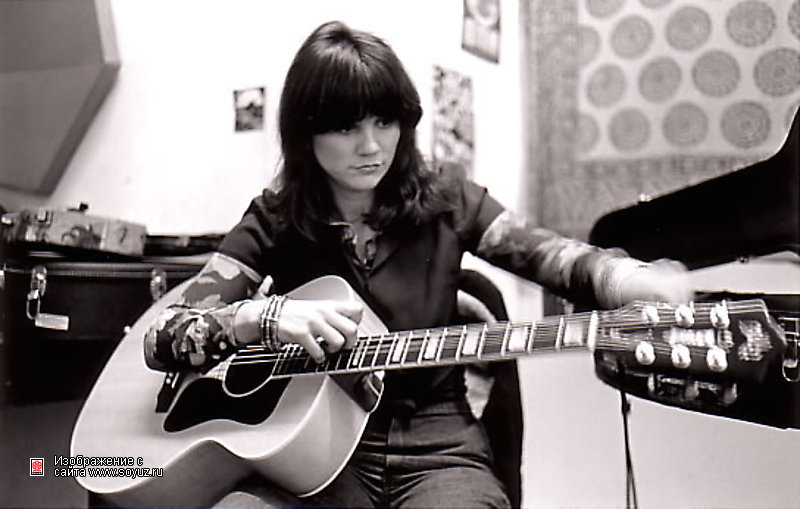
Linda Ronstadt recorded “Bet No One Ever Hurt This Bad” at a moment when she was still becoming Linda Ronstadt—before the arena-sized fame, before the radio dominion, before the glamorous certainty. The song appears on her first solo album credited entirely to her, Hand Sown … Home Grown, released in March 1969 on Capitol Records, produced by Chip Douglas. It was an album built from instinct and taste: a young singer stepping out from the Stone Poneys chapter and leaning into the country-and-folk music she remembered from childhood, even as she was told she was “too country” for rock stations and “too rock” for country stations.
In that light, “Bet No One Ever Hurt This Bad” isn’t a “hit single moment” with a neat debut-and-peak chart story. It wasn’t one of the album’s singles—Wikipedia notes the singles from Hand Sown … Home Grown were “Baby You’ve Been on My Mind” and “The Long Way Around.” Instead, this track is something more intimate: a carefully chosen wound, placed on the album because it told the truth in a way Ronstadt already understood how to honor.
The truth begins with its writer: Randy Newman. Ronstadt’s album explicitly includes Newman’s “Bet No One Ever Hurt This Bad,” and it points back to Newman’s own self-titled debut Randy Newman from 1968, where the song appears in the track listing. That lineage matters. Newman’s early writing often carried a sly intelligence, but this song is strikingly plainspoken—almost old-fashioned in its directness—like a letter written in the middle of the night when pride has finally gone to sleep.
And Ronstadt—still only a few years past “Different Drum,” still learning how to build a solo identity—sings it with the kind of sincerity that doesn’t try to decorate pain. The narrator is alone, fixed in place, caught in the small rituals of abandonment: listening to weather, waiting for contact, measuring time by absence. (Even without quoting the lyric, you can feel the scene: a window, a phone, and that terrible stillness where hope and humiliation begin to resemble each other.) Ronstadt doesn’t dramatize this loneliness with theatrical sobs; she gives it a steadier, more human shape—because the most convincing heartbreak is often quiet, not loud.
What’s especially poignant is where the song sits in Ronstadt’s larger story. Hand Sown … Home Grown is a record of covers and tradition-bearers—Bob Dylan, country standards, folk-rooted material—assembled by someone searching for a voice that could hold every kind of American ache. Choosing a Newman composition in 1969 was a subtle sign of sharp musical vision: she wasn’t merely chasing Nashville credibility or Laurel Canyon cool. She was reaching for songwriting, for emotional architecture—songs with real corners and shadows.
So the meaning of “Bet No One Ever Hurt This Bad” is not just “I’m sad.” It’s something more piercing: the belief that your pain is singular, unmatchable, almost cosmic in its unfairness—until time teaches you that this feeling is one of the most shared human experiences there is. That’s the paradox the song captures. In the moment of heartbreak, you feel uniquely chosen for suffering; years later, you recognize the same posture in others, like a familiar silhouette under a streetlamp.
That’s why this track endures for listeners who find it now—sometimes by accident, sometimes by devotion. It isn’t the Ronstadt of big, glossy triumph. It’s Ronstadt in a smaller room, holding a smaller story, singing as if she already knows what the future will confirm: that a voice can be powerful without being loud, and that a “non-single” album cut can carry a deeper kind of permanence—because it sounds like someone telling the truth when no one is asking them to.