
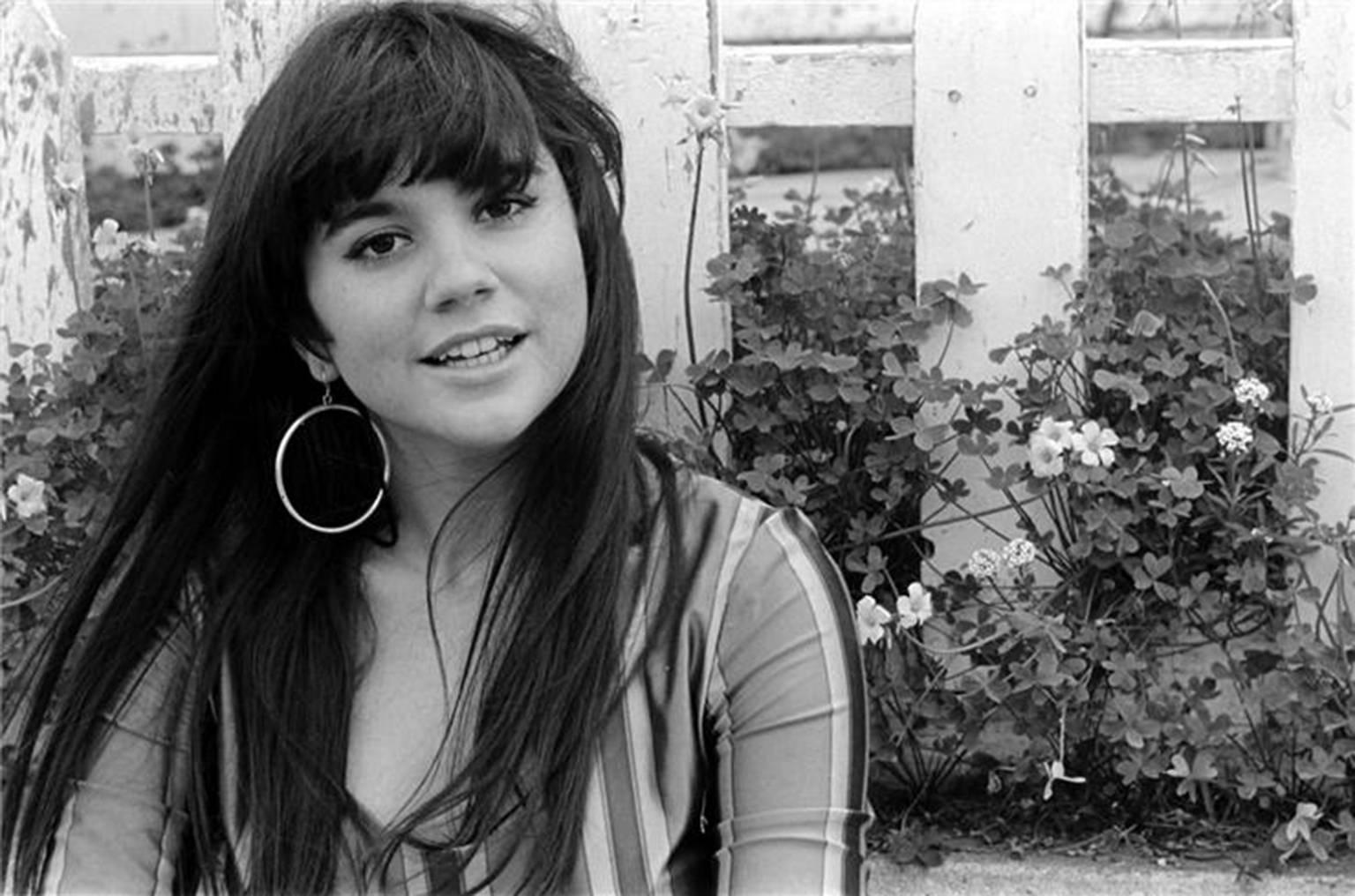
“Tú Sólo Tú” is a ranchera sigh turned into a vow—love narrowed to a single point, where devotion feels fated, and heartache feels inevitable.
If Linda Ronstadt ever sounded like she was singing straight from the family table—Sunday afternoon light, old records spinning, voices joining without self-consciousness—then “Tú Sólo Tú” is one of the clearest examples. Her recording appears on Canciones de Mi Padre (released November 1987), the landmark mariachi album she made with producer Peter Asher and legendary arranger-producer Rubén Fuentes. The album reached No. 42 on the Billboard 200 and No. 54 in Canada (RPM Top Albums)—astonishing territory for an all-Spanish, tradition-rooted mariachi record in the American mainstream. Even more telling than the chart peak is what followed: the Library of Congress notes the album won a Grammy, went double platinum, and became the biggest-selling non-English album in American history, a cultural shift disguised as a record release.
“Tú Sólo Tú” itself is older than Ronstadt, older than the era of crossover marketing, older than the very idea of “genre boundaries.” It’s a classic ranchera written by Mexican songwriter Felipe Valdés Leal in 1949, and it was recorded that same year by major voices of the day (including Pedro Infante, Miguel Aceves Mejía, Luis Pérez Meza, and Rosita Quintana). In other words: Ronstadt wasn’t hunting for an exotic novelty—she was stepping into a song that already had a long shadow, a tune with history in its bones. Billboard has even highlighted it in retrospectives of her catalog, naming it plainly as a ranchera by Felipe Valdés Leal that she brought into her own world.
On Canciones de Mi Padre, “Tú Sólo Tú” is presented in a classic mariachi frame (it runs 3:11 on the album’s widely distributed track listing). But the real “arrangement” is emotional: Ronstadt sings like someone who understands that rancheras are not simply love songs—they are life songs. They carry pride and surrender at the same time. They allow a heart to be both stubborn and broken, sometimes in the same line.
The deeper story behind Ronstadt making this record—why a singer who had already conquered rock, pop, and country would choose to place herself inside mariachi tradition—has been told best in her own words. In the National Recording Registry essay, she recalls growing up singing Mexican songs in Spanish with her family, and describes how the project had long been a dream delayed by “market resistance” to her stepping away from her ultra-successful Anglo pop career. When the moment finally came, it became a high-level collaboration: Rubén Fuentes (closely tied to Mariachi Vargas de Tecalitlán) shaped the sessions, while Ronstadt pushed for the simpler, older feel she remembered—an artistic tug-of-war between modern polish and the repertoire’s earlier soul.
That tension is exactly why “Tú Sólo Tú” matters. The song’s title—“you, only you”—sounds simple, almost childlike, but ranchera simplicity is rarely innocent. It’s the simplicity of someone who has already argued with fate and lost. The phrase can be a declaration of love, yes, but it can also be a confession of captivity: I can’t escape what I feel; it’s you, only you. Ronstadt’s voice—so famously clear, so emotionally direct—doesn’t treat the lyric as melodrama. She treats it as truth spoken out loud because silence has become heavier than speech.
And perhaps that is why this performance leaves such a lingering ache. It doesn’t flirt with heartbreak; it accepts heartbreak as part of love’s price. In the world of ranchera, dignity is not the absence of pain—it’s the willingness to carry pain with your head up. Ronstadt, who spent her entire career being an interpreter of other people’s songs, sounds here like she has come home to a language that interprets her.
By the time Canciones de Mi Padre won its Grammy category at the 31st GRAMMY Awards and went double platinum, it had already done something quieter and more lasting: it gave a broad audience permission to hear mariachi as art, not atmosphere. And inside that achievement, “Tú Sólo Tú” stands like a small candle—steady, intimate, and unwavering—reminding us that sometimes the greatest songs don’t tell complicated stories. They tell one honest sentence, and let the heart do the rest.