
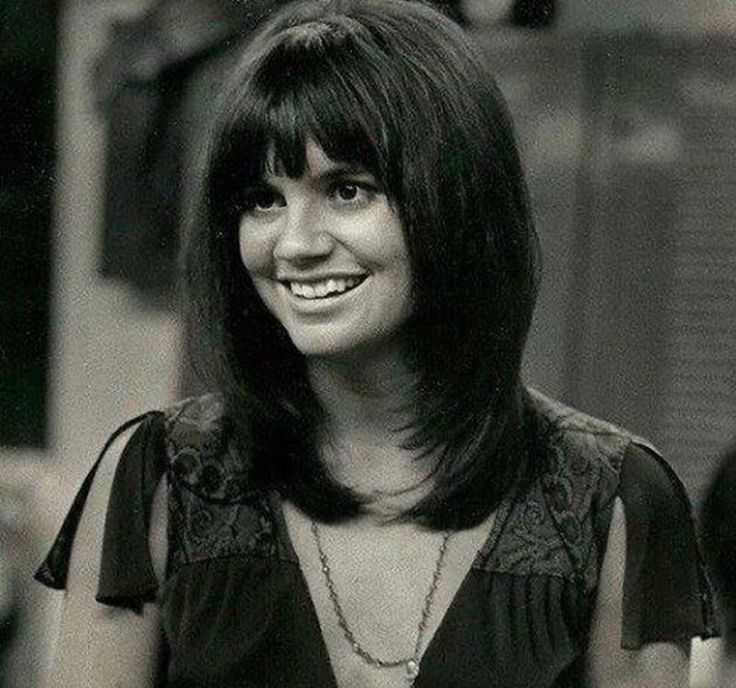
“Break My Mind” is the sound of a young voice stepping out on her own—restless, bright, and slightly bruised, as if freedom itself can feel like a wound.
“Break My Mind” entered Linda Ronstadt’s story at a pivotal, quietly daring moment: March 1969, on her first solo studio album credited entirely to her, Hand Sown … Home Grown. On the original LP sequencing it isn’t buried—it opens Side Two (listed as “Home Grown”), almost as if Ronstadt wanted to flip the record and immediately remind you: I’m still here, and I’m still moving. The song itself was written by John D. Loudermilk, and Ronstadt’s cut runs 2:52—tight, purposeful, and gone before sentimentality can soften the edges.
If you’re looking for a clean “debut chart position” for Ronstadt’s version, the truth is simpler—and, in a way, more honest: her recording of “Break My Mind” was not released as a single from the album, so it doesn’t come with its own Billboard peak the way her A-sides do. Wikipedia’s documentation of the two singles from Hand Sown … Home Grown lists “Baby You’ve Been on My Mind” and “The Long Way Around”—not “Break My Mind.”
But the song did arrive with a chart story already attached—just not hers. George Hamilton IV was the first to record and release “Break My Mind” in 1967, and his version reached No. 6 on the U.S. country chart (as captured in his discography listings). That ranking matters when you hear Ronstadt’s take: she wasn’t choosing an obscure album filler. She was choosing a contemporary country song with real traction—then filtering it through her own California-meets-Nashville instincts.
And those instincts were being forged in public, under a kind of industry skepticism that would have made many singers retreat. Ronstadt later remembered being told she was “too country for the rock [radio] stations and too rock for the country [radio] stations,” and she went searching for musicians who could play Nashville-rooted songs “with a California twist.” That tension—belonging fully to neither camp, and refusing to apologize for it—lives inside “Break My Mind.” The performance has a forward lean. It’s country music, yes, but it’s also the sound of someone pushing at the walls, testing how much openness the form can tolerate.
The deeper “behind the song” story, then, isn’t gossip or studio drama. It’s identity. Hand Sown … Home Grown came right after the Stone Poneys era that brought Ronstadt early attention, and the album marks her decision to step out alone, even while the categories around her still felt like locked doors. In that light, “Break My Mind” becomes more than a title—it becomes a small autobiography. Not “break my heart,” not “break my spirit,” but break my mind: the place where doubts churn, where conflicting expectations get loud, where you can’t “think” your way back into safety once you’ve tasted the risk of becoming yourself.
Loudermilk’s songwriting is famous for its plain-spoken hook and emotional directness, and this song is built like a good country single: quick to the point, memorable, and a little dangerous because it refuses to dress up its desperation. Ronstadt meets it with a vocal that already hints at the powerhouse she’d become—clear, rangy, and surprisingly fearless in how it lets urgency show. There’s no coyness here. The plea is immediate, the stakes feel present-tense, and the track’s brevity makes it hit like a flash of heat rather than a slow burn.
It’s also worth remembering the cultural weather of 1969: rock was expanding, country was defending its borders, and the idea of a woman carrying “country-rock” on her shoulders wasn’t yet a comfortable industry narrative. In that environment, an album like Hand Sown … Home Grown didn’t need to produce a hit to be important—it needed to exist, to plant a flag, to insist that the in-between could be a home. Billboard’s review at the time praised Ronstadt’s continuing “excitement,” acknowledging that she hadn’t lost the spark listeners knew from her earlier work. That’s the feeling “Break My Mind” preserves: spark under pressure.
So when you return to “Break My Mind” now, you may not be listening for a chorus you heard on the radio. You’re listening for something more intimate: the sound of Linda Ronstadt learning—already, early, unmistakably—how to stand in the open, take a song with a proven country chart life, and make it feel like her own restless, searching confession. And maybe that’s why it endures. Some recordings don’t carry history as a trophy; they carry it as a heartbeat—quick, vulnerable, and alive.