
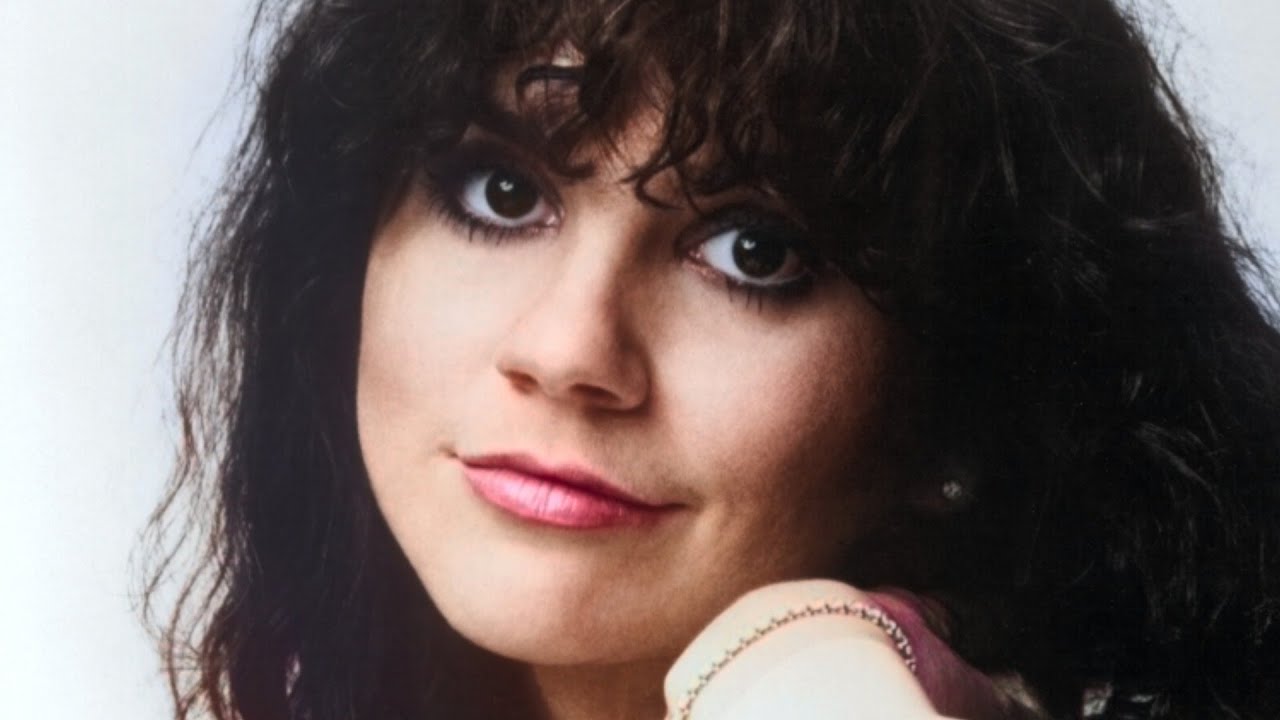
“After the Gold Rush” is a lullaby for a world that once believed in progress—then looked back and saw the sky turning strange, the air thinning, and innocence slipping away.
When Linda Ronstadt sings “After the Gold Rush,” the song doesn’t feel like a cover so much as a careful act of preservation—three voices (and, earlier, one voice in a different setting) trying to hold a fragile dream up to the light. The version most listeners point to is the celestial collaboration with Dolly Parton and Emmylou Harris on Trio II, released February 9, 1999. It’s a recording with an unusual kind of “debut story”: the album was recorded in 1994, then held back by label disputes and scheduling conflicts, only to be released years later when the moment finally opened. That delay gives the track a bittersweet aura—like a letter written long ago, delivered late, and somehow more moving because time has already proven its warnings.
In chart terms, the song didn’t arrive as a conventional hit. The Trio II album itself peaked at No. 4 on Billboard’s Top Country Albums and No. 62 on the Billboard 200, which is the clearest snapshot of how warmly the public welcomed this return. But the single “After the Gold Rush”—released to country radio in April 1999—did not receive enough airplay to chart, according to the album’s documented commercial history. In a way, that feels fitting: this performance was never really built to compete with the loudest songs on the dial. It was built to linger.
The story behind the recording is rich with detail. In April 1999, a music video was filmed at a synagogue in New York City on March 25 and premiered April 13 on Great American Country—a visual setting that quietly reinforces the song’s spiritual, end-of-an-era hush. And then came the most lasting “ranking” of all: the track won the Grammy Award for Best Country Collaboration with Vocals (awarded in 2000). Awards can be noisy things, but this one made gentle sense—because what the recording achieves is harmony not as decoration, but as a kind of shared witness.
Still, Linda Ronstadt’s relationship with the song begins even earlier than Trio II. A remixed, Dolly-less version of several Trio II tracks appeared first on Ronstadt’s 1995 album Feels Like Home, released March 14, 1995, where “After the Gold Rush” sits as track 4. That album reached No. 75 on the Billboard album chart and stayed there for 12 weeks—a modest commercial footprint, but an important marker of her later-career devotion to rootsy, intimate material. The personnel listing reveals how carefully she framed the song then: Ronstadt is credited with arrangements and orchestra arrangements on the track, with Emmylou Harris and Valerie Carter providing backing vocals. It’s not the famous “three queens” blend yet—but it already points toward that luminous, floating sound-world.
Of course, everything begins with Neil Young, who wrote and released “After the Gold Rush” in 1970. His lyric is a collage of images—knights and peasants, burned-out landscapes, silver spaceships lifting away—yet the emotional message is plain: we are living through a turning of the age, and we don’t quite know what we’re losing until it’s already behind us. The Trio II rendition makes two notable lyric changes: “Mother Nature on the run / in the 1970s” becomes “…in the 20th century,” and “I felt like getting high” becomes “I felt like I could cry.” Emmylou Harris has explained they requested permission to change the “getting high” line, mindful of the message they wanted to put forward as mothers. Whether or not one prefers the original, the adjustment reframes the song’s intoxicated dream into something more tender and tearful—less haze, more heartbreak.
And that is where Linda Ronstadt quietly shines: she brings a gravity that doesn’t need to announce itself. In the Trio II version, the trio’s blend feels almost weightless, as if the harmonies are the “silver spaceships” themselves—lifting a troubled century into memory, not to escape responsibility, but to look back clearly. This is music for listeners who have watched eras change: the old promises tarnish, the new promises arrive, and somewhere in between a song plays—softly, insistently—asking what kind of world we’re leaving behind, and what kind we still might choose to save.