
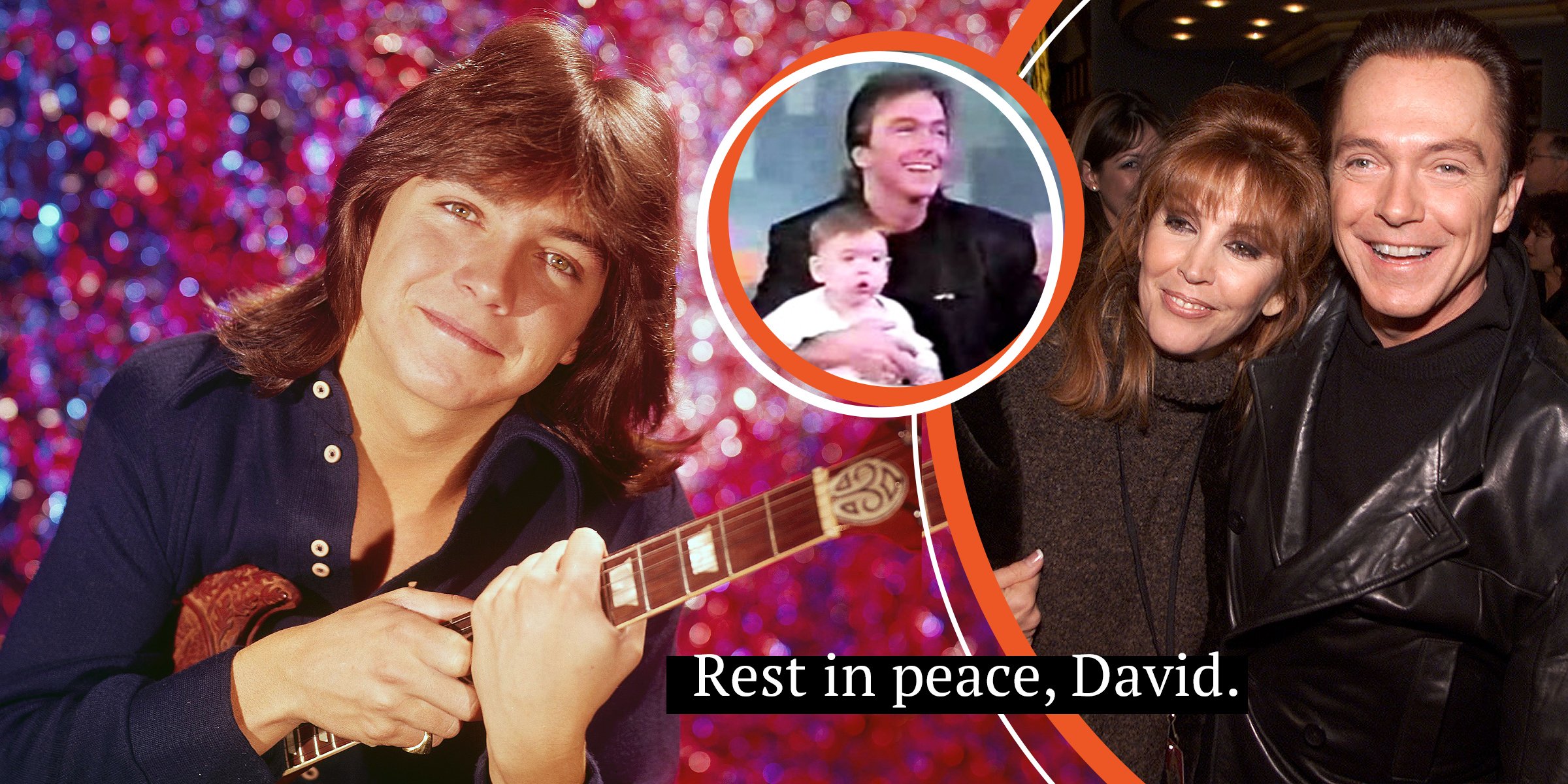
“Fix Of Your Love” is David Cassidy’s weary, grown-up craving for something real—not applause, not fantasy, but a steady dose of affection that actually holds.
Here’s the clean framing first, because it matters: “Fix Of Your Love” is a 1975 recording by David Cassidy, written by David Cassidy with Dave Ellingson, and released on his RCA-era album The Higher They Climb (The Harder They Fall). On the album’s track list it appears as track 7, positioned on the second side—right where artists often hide the most personal material, away from the “front-facing” first impressions.
Because people often ask for the “chart position at debut,” the most accurate chart story here is the album’s—not the track’s. The Higher They Climb entered the UK Official Albums Chart as a new entry at No. 26 on August 3, 1975, then climbed to a peak of No. 22. “Fix Of Your Love” itself was not the era’s promoted hit single, and it doesn’t have a standard, widely documented Hot 100/UK Singles Chart “debut position” separate from the album’s run. (The singles talk around this album tends to center on other titles, especially **“Darlin’.”)
That distinction—album track rather than radio trophy—is exactly why “Fix Of Your Love” feels so revealing.
By July 1975, when The Higher They Climb arrived, Cassidy was already living in a different emotional climate than the early ’70s frenzy. This was his first of three albums on RCA, co-produced by Cassidy and Bruce Johnston of The Beach Boys—a partnership that signals ambition, not nostalgia. Even the album’s title is a small, bruised self-awareness, widely described as an allusion to his earlier chart-dominating teen-idol era and the public’s fickle turning of the page.
So when Cassidy sings a line like “fix,” it doesn’t sound like a cute metaphor. It sounds like a confession from someone who has learned what it feels like to be surrounded and still starving—famous, yet emotionally underfed. The word “fix” carries a faint sting of dependency: the need that returns, the need you pretend you don’t have, the need that finally wins when the night gets quiet enough.
What makes the track especially poignant is how musicianly it is. Session documentation lists a lean, serious band feel: Jesse Ed Davis taking the guitar-solo slot, Willie Weeks on bass, David Kemper on drums, with Tom Hensley on piano and percussion colors from King Errisson and John Seiter—all of it pointing toward a Cassidy who wanted to be heard as a recording artist, not merely a face on a sleeve. And if you’ve ever wondered why some deep cuts “sit” differently than singles, this is why: the track’s bones are built by players who know how to make yearning sound like movement.
The story behind “Fix Of Your Love” is also, in a quiet way, the story behind that entire mid-’70s Cassidy pivot. The Higher They Climb gathers a surprising constellation of collaborators across its track list—evidence of Cassidy reaching beyond his earlier machinery and into a broader rock-pop world. Yet “Fix Of Your Love” stands out because it carries his own name in the writing credits. That’s not just paperwork. It’s ownership: the decision to leave fingerprints, to admit “this came from me,” even if it isn’t polished into a crowd-pleaser.
And the meaning? It’s the sound of a man negotiating with his own hunger.
There’s a particular kind of loneliness that comes after a life lived too publicly: when the world thinks it already knows you, and you’re still trying to meet yourself. “Fix Of Your Love” doesn’t beg for admiration. It asks for something quieter and harder: consistency, tenderness, the kind of love that doesn’t evaporate when the lights go out. In that sense, it’s not a “love song” as romance; it’s a love song as survival—an admission that the heart, no matter how many rooms it has filled, still wants one safe place to land.
That’s why this track endures for listeners who go beyond the obvious hits. It’s not a victory lap. It’s a late-night truth, sung by David Cassidy in his RCA reinvention years—when he was no longer trying to be everybody’s dream, and was finally brave enough to sound like his own.