
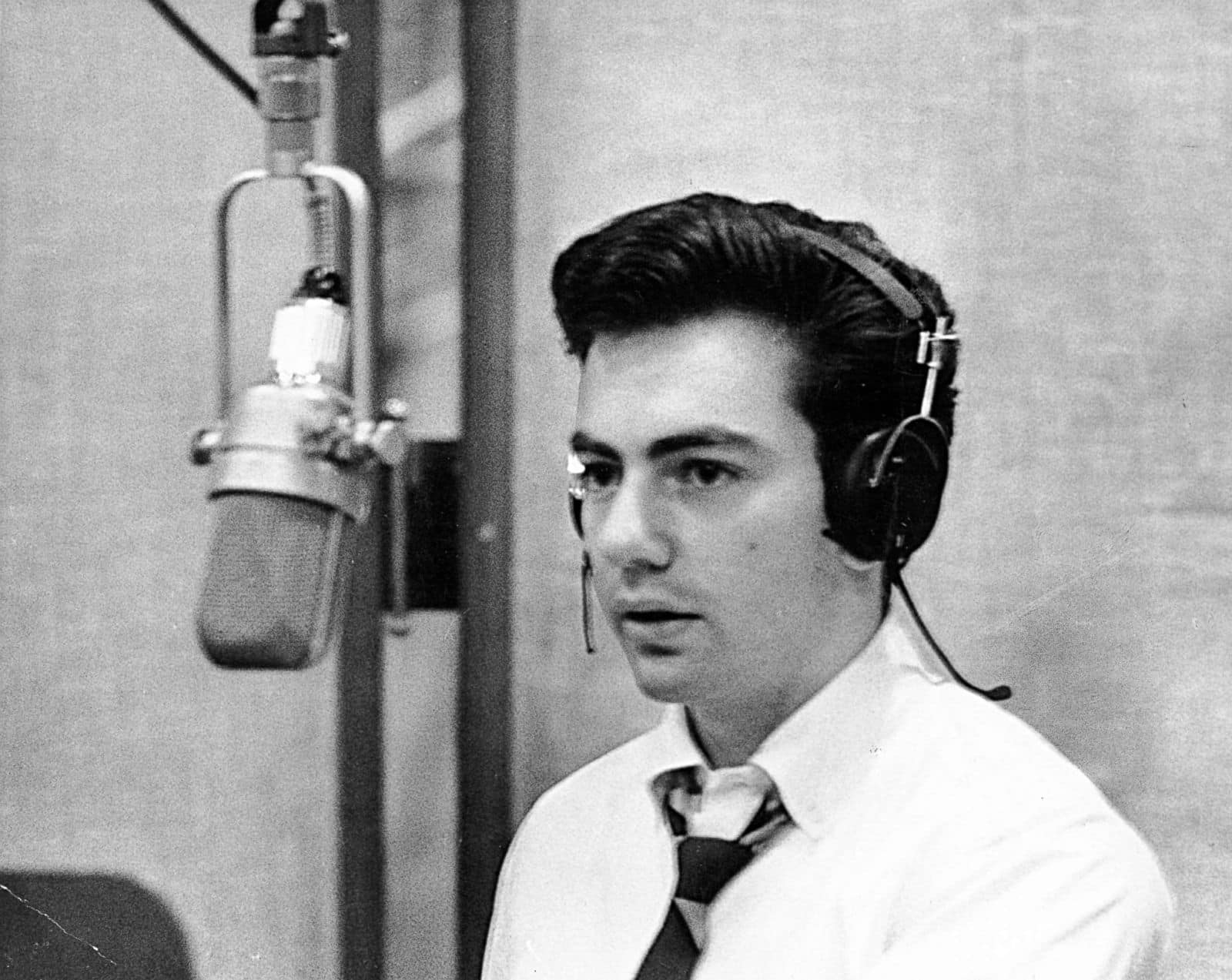
“Jerusalem” is Neil Diamond holding two worlds in the same hand—show-business glitter in one palm, ancestral longing in the other—until the question becomes a prayer: where does the soul finally “close” for the night?
The essential facts land like signposts before the story opens up. “Jerusalem” is written by Neil Diamond, appears as track 5 on side two of The Jazz Singer soundtrack, and runs 3:03. The album was released November 10, 1980, issued by Capitol Records, and produced by Bob Gaudio—a crucial name here, because the record’s sheen and pacing often feel like Gaudio’s discipline guiding Diamond’s emotional flood. The soundtrack became a commercial giant: it reached No. 3 on the Billboard 200, sold over 5 million copies in the United States, and spun off three Hot 100 Top 10 singles—“Love on the Rocks” (No. 2), “Hello Again” (No. 6), and “America” (No. 8). For the specific “at launch” metric: Billboard’s chart data notes the album’s debut position was No. 25, with a debut chart date of December 6, 1980.
And yet “Jerusalem” is not one of those radio-crowned singles. It’s something more inward: a chamber of the album where Diamond lets identity, faith, and temptation speak to each other without an easy verdict.
To understand why this song exists, you have to stand where the film stands. The Jazz Singer (1980) is built on a tension that feels older than pop music itself: a Jewish cantor’s son pulled between the inherited sacred calling of his family and the loud modern seduction of mainstream stardom. The soundtrack even places tradition on the tracklist in plain sight—“Adon Olam” and “Kol Nidre/My Name Is Yussel” sit alongside Diamond’s original pop songs, as if the album refuses to let you forget where the conflict begins. In that landscape, “Jerusalem” is not merely a place-name; it’s the gravitational center of meaning: the word that stands for holiness, ancestry, obligation, and the ache of belonging to something that existed before applause.
What makes “Jerusalem” especially haunting is the way it frames distraction as destiny. The narrator is “on the way” to the holy city—and yet he detours into a “popular movie show,” becomes entranced by a figure “on the silver screen,” and suddenly the spiritual journey is interrupted by the bright, artificial light of entertainment. It’s a very Diamond kind of image: not moralistic, not scolding—just heartbreakingly human. Because who hasn’t promised themselves they were heading toward something pure, only to find the world tugging their sleeve with a smaller, shinier invitation?
Then comes the song’s unforgettable refrain: “Does Jerusalem close?” It’s a line that sounds almost childlike on the surface—like someone asking about store hours—until you feel the ache beneath it. The deeper question is spiritual, almost existential: Is there a deadline for returning to what made me, for finding my way back to the truest part of myself? That’s the fear buried in the humor. Not that the city closes, but that we do—our courage, our devotion, our willingness to return.
In the broader emotional geography of The Jazz Singer, where Diamond’s character navigates the cost of reinvention, “Jerusalem” becomes a mirror held up to fame itself. The “technicolor” dream doesn’t simply entertain—it competes with heritage. And Diamond sings it with a kind of restless tenderness, as if he understands that the very gifts that carry a person outward—ambition, imagination, hunger—can also carry them away from home.
That is the song’s lasting meaning: “Jerusalem” isn’t only about a city, or even about religion. It’s about the lifelong negotiation between what you inherited and what you desired; between the voice that calls you to stand still and the music that demands you move. Placed inside an album that was itself a cultural event—outselling the film that inspired it and anchoring Diamond’s early-’80s commercial peak—this track feels like a private confession hidden in public triumph.
And maybe that’s why it lingers. Because long after the curtain falls and the headlines fade, “Jerusalem” still asks—softly, insistently—whether the soul’s truest home is something you can postpone… or something you must finally choose before the lights go out.