
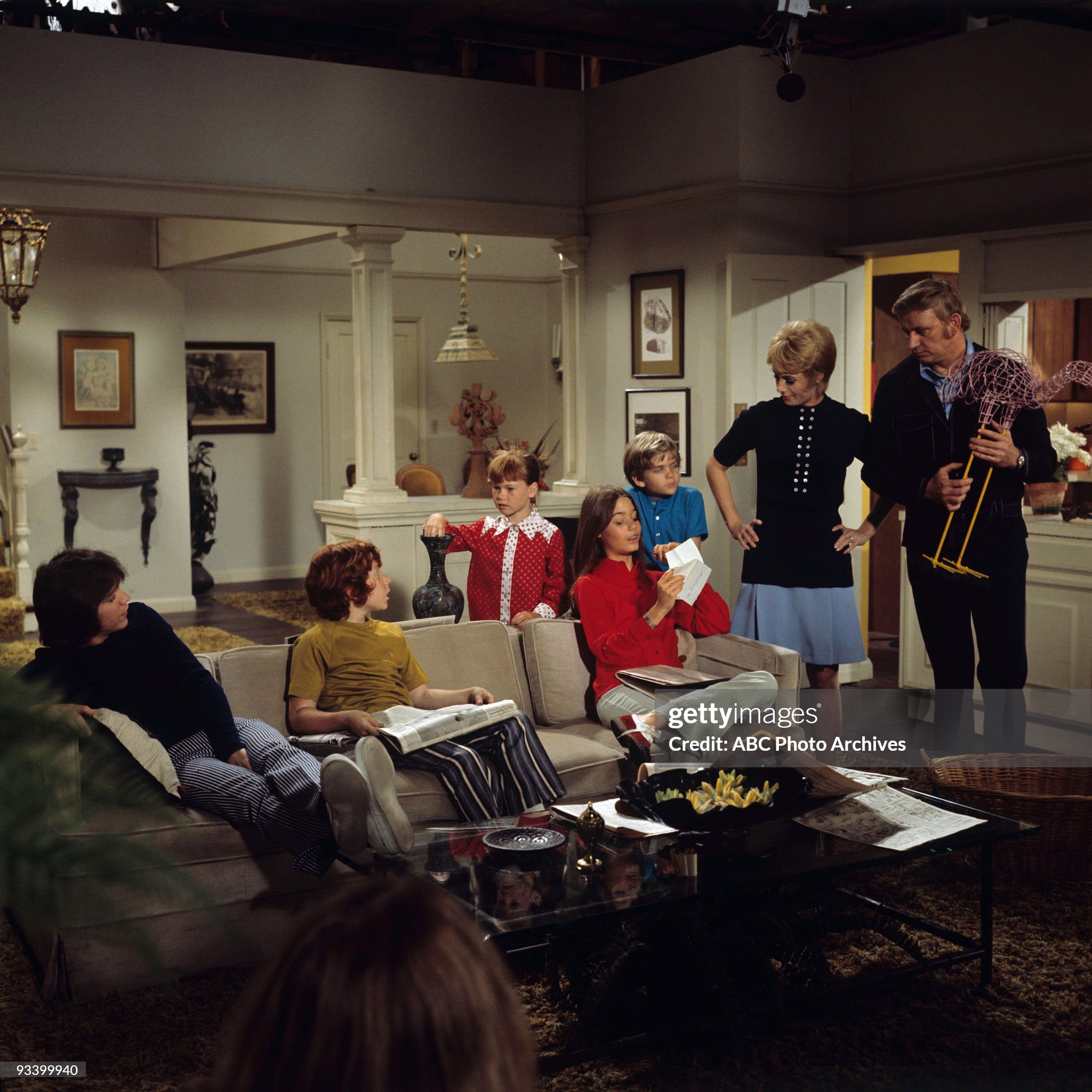
A familiar hit with a fresh pop glow, “That’ll Be the Day” lets The Partridge Family turn rock-and-roll memory into something softer, sweeter, and almost instantly nostalgic.
Some songs carry their legend into the room before the first note arrives. “That’ll Be the Day” was already one of those titles long before The Partridge Family touched it, forever linked to Buddy Holly and the Crickets, to the bright, early electricity of rock and roll, to a sound so deeply woven into popular memory that any later version had to live in the shadow of something beloved. What makes The Partridge Family’s take so appealing is that it does not fight that history. It borrows its warmth, smooths the edges a little, and gives the song a new kind of glow. Instead of urgency, there is ease. Instead of youthful rockabilly snap, there is polished early-1970s pop sunlight. And somehow that change works almost at once.
Their version appeared on Up to Date, released in February 1971, an album that rose to No. 3 on Billboard’s Top LPs chart and became one of the key records from the group’s hottest period. That matters because “That’ll Be the Day” sits inside a moment when The Partridge Family were not merely television favorites but a genuine pop force, with the machinery of hit-making, fan devotion, and bright commercial confidence all working at full strength. In that setting, a cover like this does more than revisit an old favorite. It becomes part of the group’s signature charm — taking familiar material and making it feel easy to love all over again.
There is something especially touching about how quickly the song wins people over. The title itself already does half the work. It arrives with recognition built in. But the Partridge Family version adds a different emotional color, one that feels less rebellious and more affectionate. The old song’s defiance is still there in outline, yet here it seems wrapped in the warm sheen that made the group so enduring to listeners. That is the real charm of the performance. It does not try to sound tougher than the original. It sounds happier to be remembered.
That softer mood fits the album around it. Up to Date also included major hits like “Doesn’t Somebody Want to Be Wanted” and “I’ll Meet You Halfway,” and even when the group moved through longing or uncertainty, they often carried a polished brightness that made sadness feel bearable and joy feel near at hand. “That’ll Be the Day” benefits from that same atmosphere. It becomes less a rock-and-roll statement than a pop keepsake, the kind of song that can trigger nostalgia almost before it has finished playing.
Its recording date adds a lovely little note of its own. The track was recorded on May 16, 1970, during the sessions that helped shape the group’s early breakthrough sound. There is something fitting in that. A song already tied to the memory of an earlier era was being folded into the making of another era’s bright young pop phenomenon. Old rock and fresh television-age pop met in the studio, and what came out was not a clash but a handoff — one generation’s beloved tune finding a second life in another generation’s glossy, melodic world.
And that may be why the song still feels so immediate. It gives listeners two pleasures at once. There is the comfort of recognition, the pleasure of a title and melody already known. Then there is the Partridge Family glow, that particular combination of polish, harmony, and emotional friendliness that makes even a familiar hit feel newly inviting. Some covers survive by radically changing the song. This one survives by understanding that affection can be enough.
So “That’ll Be the Day” remains one of those Partridge Family recordings that wins people in seconds because it knows exactly what it is offering: memory without heaviness, familiarity without staleness, and a bright pop touch gentle enough to make an old classic feel young again. In their hands, the song is not only remembered. It is sweetened, softened, and sent back into the world with a smile.