
A Testament to Renewal and the Fragile Architecture of Time
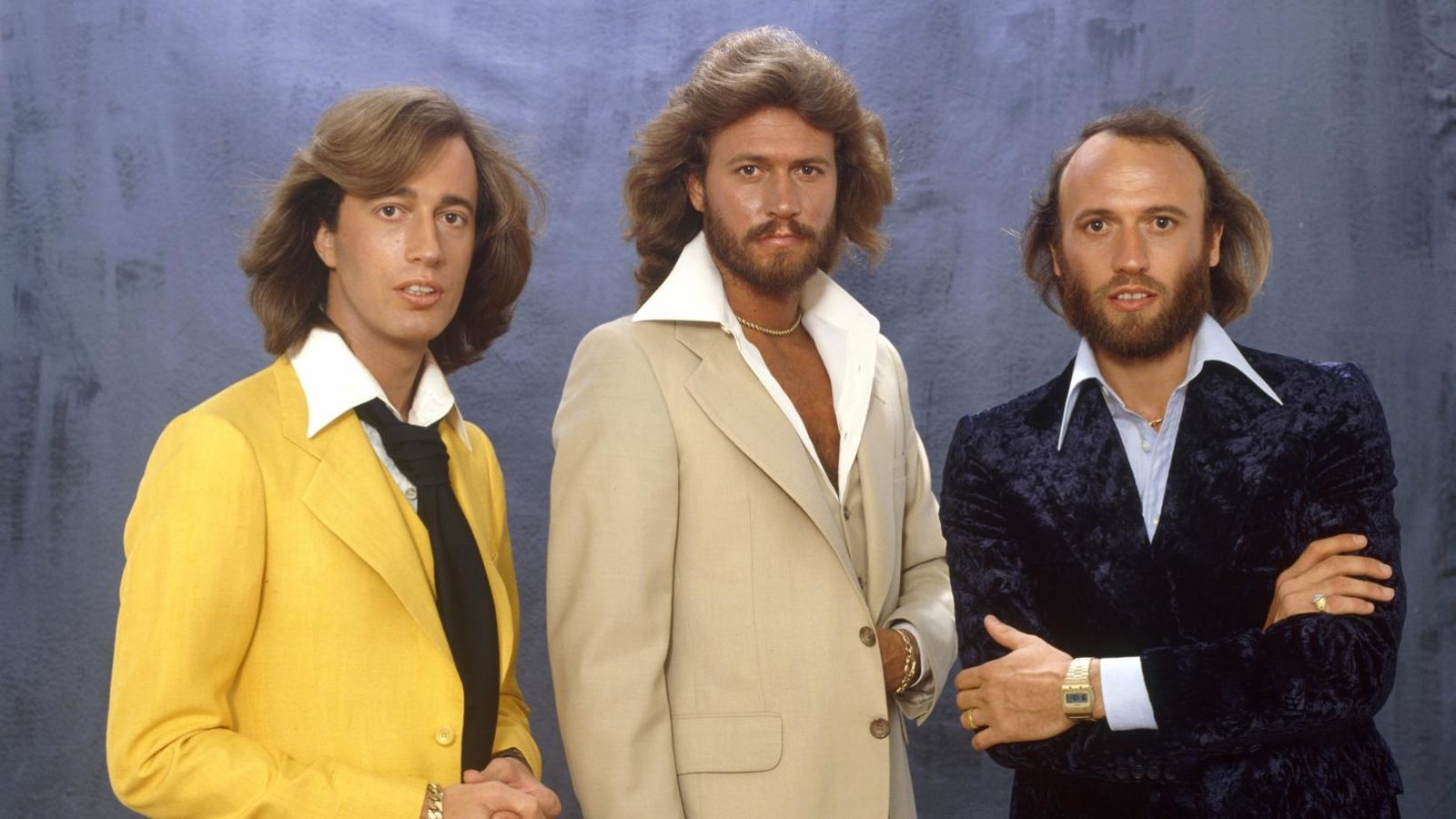
When “2 Years On” arrived in 1970 as both a song and the title track of the Bee Gees’ eighth studio album, it represented a quiet but profound resurrection. The single emerged during a period of reconciliation after a painful fracture in the group’s history. Following their split in 1969, with Robin Gibb briefly pursuing a solo career, Barry, Maurice, and Robin found their way back to one another — not through grand declarations, but through music that bore the marks of experience and humility. Though the album did not soar to the top of the charts like earlier triumphs such as Idea or Odessa, it signaled something more enduring: a rebirth. The record reached moderate positions in both the U.S. and U.K. markets, yet its real achievement lay in reestablishing the brothers’ creative unity, laying the foundation for their later renaissance that would define much of 1970s pop.
At its core, “2 Years On” is less a song about time passed than about what is left after time has done its quiet work — love strained but unbroken, identities reshaped by separation. Musically, it is a subdued ballad wrapped in soft orchestration, led by Robin’s plaintive vocal delivery that hovers between lament and acceptance. The Bee Gees had always been masters of emotional contrast — weaving melancholy into beauty, sorrow into sweetness — but here that balance feels particularly tender. There is no theatrical flourish; instead, the song moves like an intimate letter written in twilight, meant to be read only by those who have endured absence and come to understand its strange gifts.
What distinguishes this composition within the Bee Gees’ canon is its introspective patience. Gone is the ornate baroque-pop grandeur of Odessa; gone too are the youthful declarations of To Love Somebody. In their place stands restraint — an older voice speaking with gentler conviction. The production mirrors this maturity: sparse acoustic textures cradle Robin’s voice, while subtle string arrangements underscore moments of reflection rather than drama. One senses that the brothers were not only writing about personal reunion but also about reconciling with their own artistic identities after disillusionment with fame’s fickle embrace.
Lyrically, “2 Years On” contemplates absence as both punishment and purification. Time here does not simply pass; it heals in slow increments, sanding down sharp edges without erasing memory. That emotional duality — regret intertwined with renewal — would later resurface throughout their work, culminating in masterpieces like How Deep Is Your Love and Spirits Having Flown. But this song remains one of their most vulnerable statements: a meditation on endurance and forgiveness framed within the delicate symmetry of familial harmony.
In retrospect, “2 Years On” feels like a hinge between eras — closing the chapter on youthful ambition while opening another defined by self-knowledge. It whispers where earlier songs soared, but its quietness carries an authority born of reconciliation. For those who listen closely, it marks the moment when three voices once again became one — not for stardom’s sake, but for something far rarer: peace through music.