
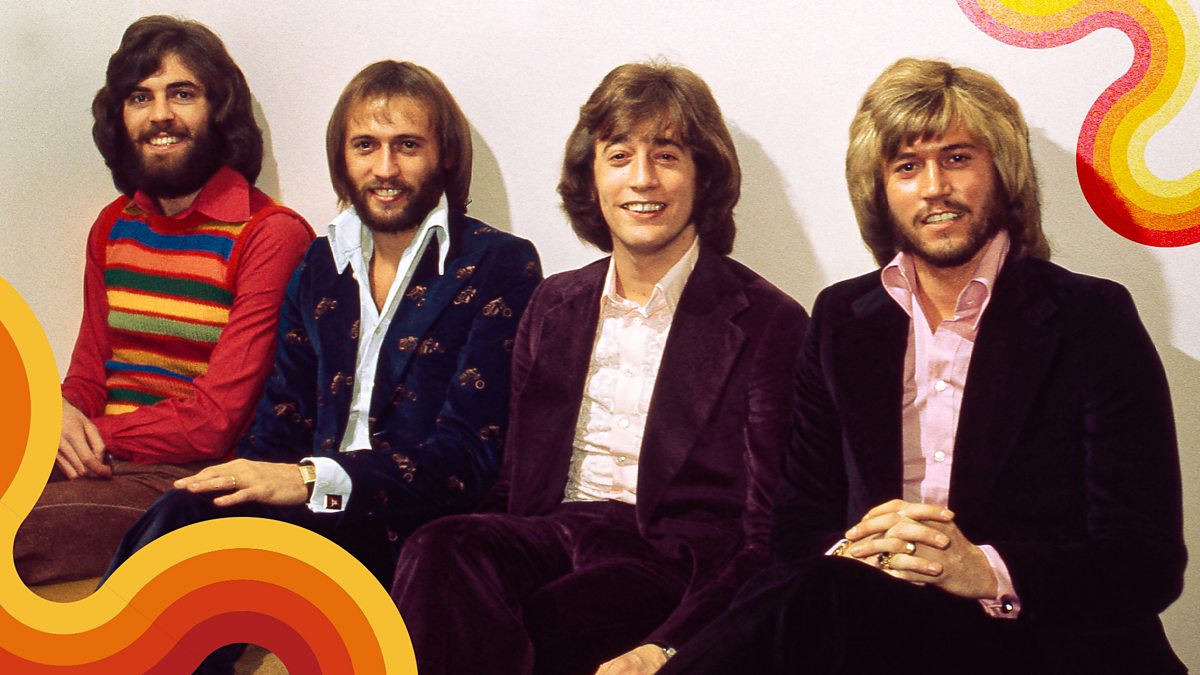
Finding the courage to move at your own pace — “In My Own Time”
Every great artist begins with a quiet rebellion. For The Bee Gees, that rebellion came not with a shout, but with a smile—clever, self-assured, and quietly defiant. “In My Own Time”, from their 1967 breakthrough album Bee Gees’ 1st, was their gentle declaration that they would not be rushed into fame’s waiting arms. The world could spin as fast as it liked; the Gibb brothers would arrive when they were ready.
The year was 1967, the air in London was thick with color and change—the Summer of Love, when every new band seemed to be chasing the next great revelation. The Bee Gees had just arrived from Australia, three young men in their early twenties with harmonies that could melt glass and a notebook full of songs aching to be heard. Bee Gees’ 1st, their debut international release, soared to #7 on the Billboard 200 and #8 on the UK Albums Chart, carried by hits like “New York Mining Disaster 1941” and “To Love Somebody.” Yet hidden among those grand and melancholy anthems was “In My Own Time”—shorter, sharper, more playful. It was their wink to the world: we’ll take our time, thank you.
The song opens with a brisk guitar riff, bright and youthful, as if brushing the dust off the journey that brought them to London. Barry’s voice leads with easy confidence, Robin and Maurice folding in harmonies that feel effortless yet perfectly measured. “I received an invitation — come to the United Nations,” Barry sings with that sly grin you can almost hear. It’s satire wrapped in melody: a boy who’s been told he’s destined for greatness, pausing to wonder if he even wants the fuss.
Everything about “In My Own Time” carries that quiet humor and restraint. The rhythm swings but never struts; the guitars shimmer but never crowd. There’s a youthful energy here, but also a strange maturity—the sense of three men who’ve seen enough of the world’s promises to know that the fastest path isn’t always the truest one. In just over two minutes, they tell a story about ambition, timing, and the grace of patience.
Behind the simplicity lies the skill of Barry, Robin, and Maurice Gibb at their most instinctive. Their harmonies—already a hallmark—glide through the song like sunlight across a moving river, warm and constant. There’s no orchestra, no sweeping strings like on “Holiday” or “Every Christian Lion Hearted Man Will Show You.” Here, it’s just the brothers and their guitars, as if reminding listeners that before the fame, before the glitter and the high collars, they were just three voices bound by blood and song.
And in that purity lies the song’s meaning. “In My Own Time” isn’t about arrogance; it’s about self-possession. It’s the voice of youth learning to wait, learning to trust the slow ripening of talent. The Bee Gees were surrounded by a world obsessed with instant brilliance, but they had the wisdom—rare even then—to understand that art must unfold like a season. “I’ll get there,” the song seems to say, “but I’ll get there when my heart is ready.”
Looking back now, the title feels prophetic. The Bee Gees would indeed take their time. They would evolve from baroque pop poets to disco kings, from heartbreak balladeers to architects of rhythm itself. Yet that calm confidence, that refusal to chase the moment, was there from the start—in the sly grin of “In My Own Time.”
It’s a song that still feels young when you hear it today. The guitars sparkle like a London morning; the harmonies glide with the same golden ease. And beneath the pop melody lies a truth that deepens with age: that sometimes the greatest act of courage is to slow down—to let your heart set the tempo, to know that your time will come, and that it will come beautifully, when it should.
In the swirl of 1967’s noise, The Bee Gees offered this small, shimmering statement of faith: I’ll move in my own rhythm, I’ll arrive in my own time. And decades later, as their voices echo through history, that promise feels both fulfilled and eternal—proof that patience, like harmony, never goes out of tune.