
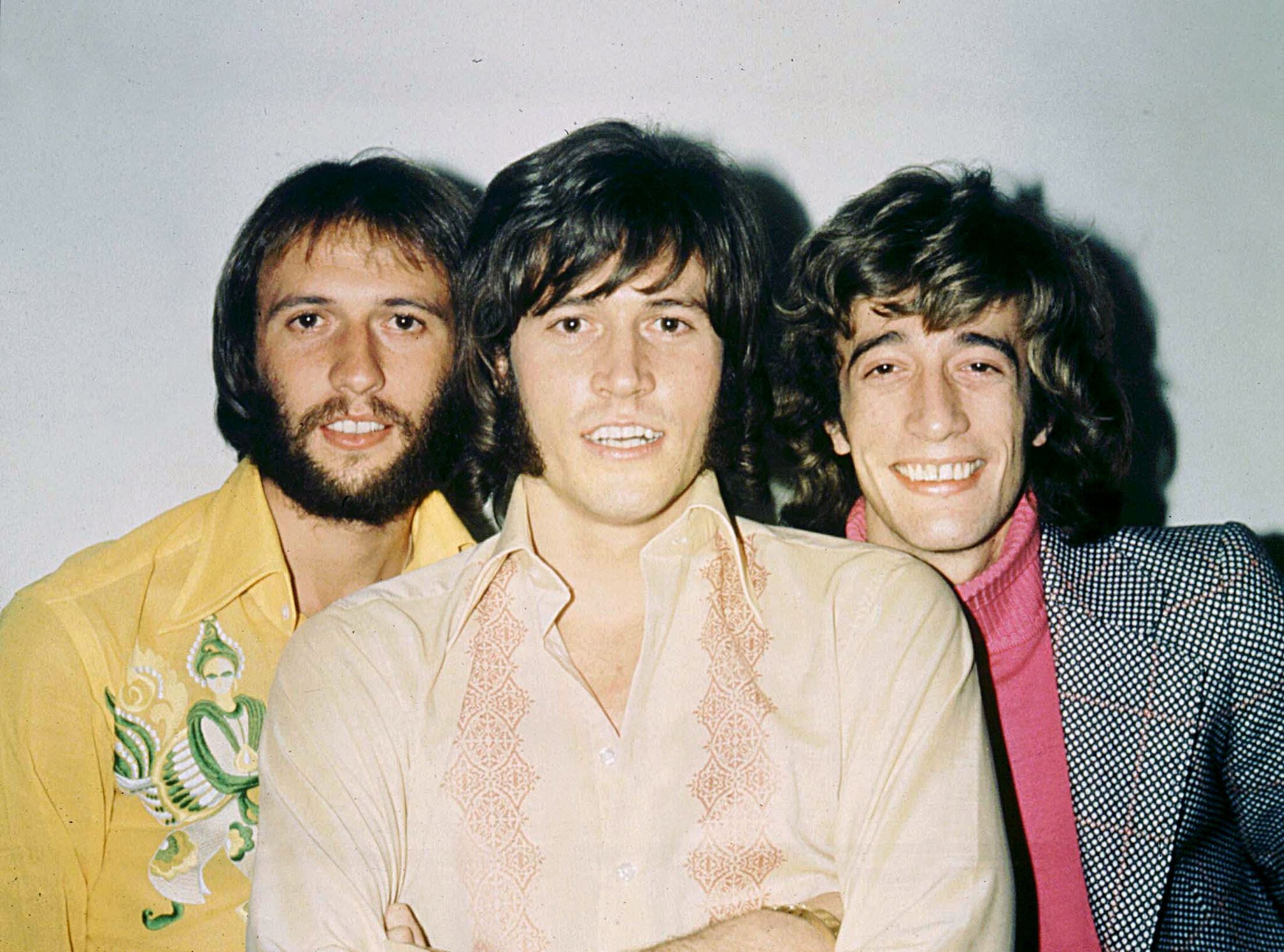
A Quiet Rebellion Wrapped in Harmony and Innocence
When the Bee Gees released “Whisper Whisper” on their 1969 double album Odessa, the track never climbed charts nor filled arenas with applause. Instead, it lingered quietly, almost secretively, among the lush orchestration and baroque pop grandeur that defined the album. Odessa, often regarded as the Bee Gees’ most ambitious early statement, marked both a creative summit and a moment of internal fracture for the band. Within its expansive sonic architecture, “Whisper Whisper” stands as a peculiar gem—playful yet introspective, whimsical on the surface but deeply reflective beneath its ornate veneer.
The Bee Gees of this era—Barry, Robin, and Maurice Gibb—were wrestling with their identity as artists in a rapidly shifting musical landscape. Psychedelia had begun to wane; rock was turning heavier, and pop was becoming more self-conscious. Amid these changes, “Whisper Whisper” feels like an act of gentle defiance: a refusal to abandon melody and craft even as the world around them embraced noise and rebellion. The song’s brisk tempo, buoyant brass sections, and theatrical flair suggest the spirit of late-’60s London cabaret, yet its emotional undercurrent betrays something more complex—a yearning for authenticity in an age intoxicated by spectacle.
Lyrically, “Whisper Whisper” is deceptively simple. Its narrative dances between humor and melancholy, portraying moments of intimate communication against a backdrop of distraction and misunderstanding. There’s an almost cinematic quality to it: lovers or dreamers attempting to connect in a world too loud to listen. The song’s title itself encapsulates this paradox—the idea that truth often arrives not in shouts or proclamations, but in quiet confessions shared between those who still believe in tenderness. Beneath the jaunty rhythm lies a commentary on disconnection, on how modernity—and perhaps fame itself—can drown out sincerity.
Musically, the piece showcases the Bee Gees’ gift for arranging complexity into something deceptively light. Horns burst forth like flashes of color on a rainy afternoon, while rhythmic changes add a vaudevillian unpredictability reminiscent of Paul McCartney’s more whimsical moments from the same period. Yet even as it winks at British music hall tradition, “Whisper Whisper” feels uniquely Bee Gees: harmonically rich, melodically pristine, emotionally layered. It’s no wonder that within the sprawling canvas of Odessa, this track serves as both palate cleanser and hidden revelation—a brief reprieve from grandeur that nonetheless conveys profound humanity.
In retrospect, “Whisper Whisper” anticipates the Bee Gees’ later mastery of emotional contrast—the way they could fuse joy and sorrow within a single chord progression or vocal turn. Long before they became synonymous with disco’s pulse, they were already exploring what it meant to whisper amid the roar of changing times—a quiet rebellion dressed in song.