
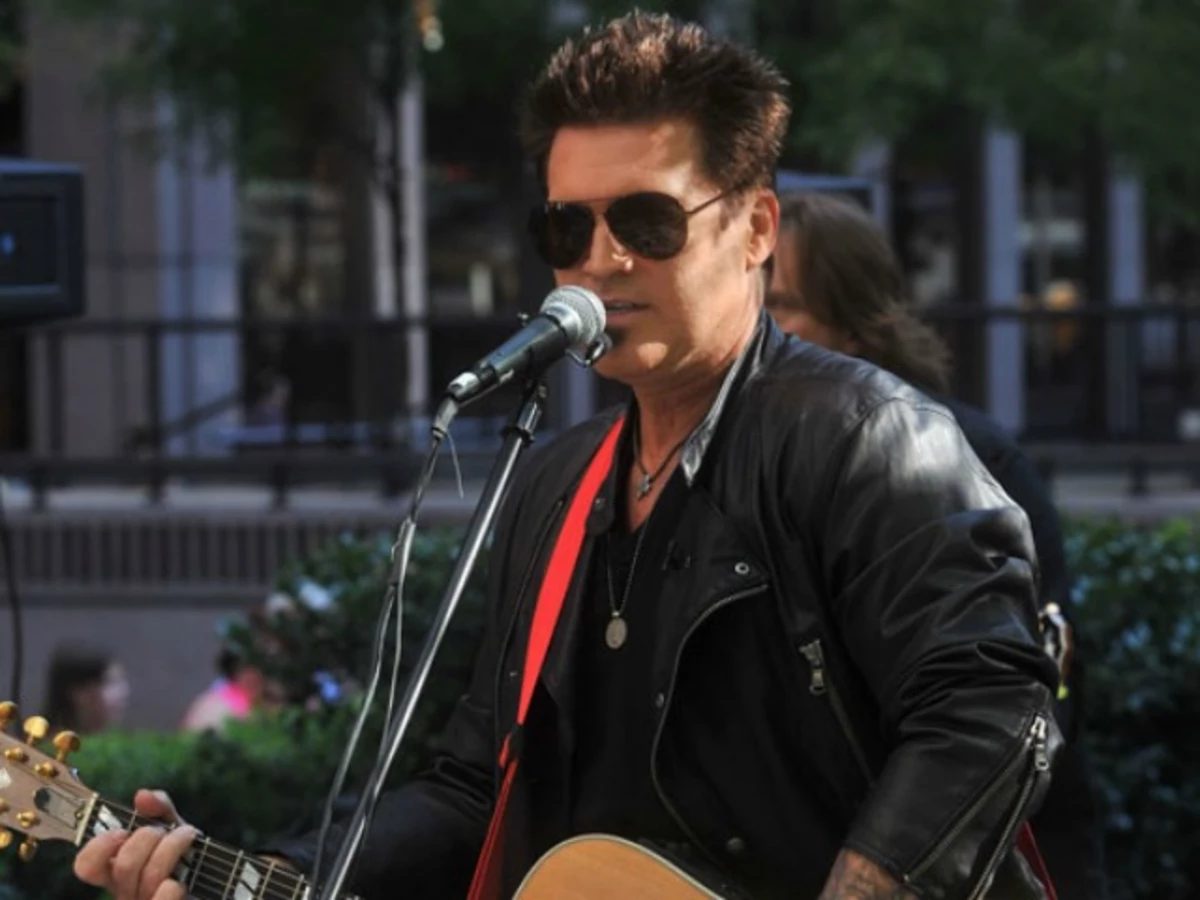
A Reckless Anthem of Defiance and Desire Beneath Southern Skies
When Billy Ray Cyrus released “Burn Down the Trailer Park” on his 2000 album Southern Rain, the country music landscape was in the midst of change—shifting from the polished sound of the ’90s into a new millennium that sought to redefine authenticity. Though the single did not ascend high on the charts, it stood as a defiant ember in Cyrus’s catalog, revealing an artist unafraid to embrace grit over gloss. By this time, Cyrus had long moved beyond the meteoric fame of “Achy Breaky Heart,” and with Southern Rain, he was intent on reasserting his musical identity: raw, weathered, and unapologetically Southern.
“Burn Down the Trailer Park” unfolds like a fever dream of rebellion—a tale pulsing with the heat of desperation and the allure of escape. The song’s narrative, both literal and symbolic, channels the volatile energy that simmers just beneath small-town Americana. Its protagonist is a man driven by passion to the brink of chaos, caught between love’s reckless urgency and the moral code of the community that surrounds him. This isn’t mere storytelling; it’s a portrait of class, confinement, and the human hunger for freedom. Cyrus delivers it not with polished restraint, but with a voice steeped in dust and gasoline—gravelly, urgent, and utterly convincing.
Musically, the track fuses country rock swagger with a hard-edged rhythm that mirrors its lyrical tension. The guitars grind rather than twang; the percussion feels more barroom than barnyard. It’s country stripped of sentimentality, leaning instead into something darker—an echo of Southern gothic narratives where love and destruction often share a bed. This sonic approach marks one of Southern Rain’s most daring moments, positioning Cyrus as both storyteller and outlaw, willing to scorch convention if it meant finding truth in flame.
Thematically, “Burn Down the Trailer Park” can be heard as a metaphor for renewal through destruction. The trailer park becomes an emblem of stagnation—a place where dreams rust beside pickup trucks, where life’s disappointments are lived out under flickering porch lights. To “burn it down” is not merely to commit an act of vengeance or madness; it is to break free from a cycle of frustration, to reclaim agency in a world that seems predetermined. In this sense, Cyrus channels the same rebellious spirit that animates much of American roots music: a yearning for transcendence through chaos.
Though not a mainstream hit, “Burn Down the Trailer Park” remains one of Billy Ray Cyrus’s most vivid artistic statements from this era—a song that crackles with narrative intensity and emotional honesty. In its smoldering chords and provocative imagery lies an unapologetic reminder that country music’s heart has always beat strongest in stories born from passion, peril, and the restless fire of the human soul.