
“Santa Claus Is Coming” is less a shout of holiday cheer than a warm knock on the door—an invitation to believe, for three minutes, that someone is still watching over the house lights and the hearts inside.
If you’re hearing David Cassidy sing this title, it helps to know there are two closely related “chapters” to the story—and the earlier one is the true time capsule.
The version that first carried his unmistakable youthful glow into Christmas season is essentially his lead-vocal reading of “Santa Claus Is Coming to Town” on A Partridge Family Christmas Card, released in November 1971. That album wasn’t a minor novelty tucked into the TV-era merch table—it was a genuine seasonal phenomenon: it became the best-selling Christmas album in the United States for the 1971 season, and it sat at No. 1 on Billboard’s special Christmas Albums sales chart for all four weeks the magazine ran that chart that year.
That’s the “chart position at release” that matters most here: the song wasn’t pushed as a Hot 100 single with a neat weekly climb and a tidy peak. Instead, it lived inside a record that households played like a ritual—spun and respun until the vinyl itself seemed to learn the shape of December. It was recorded quickly too—August 25, 1971, in the efficient, professional manner of pop television’s golden machine. And yet, the feeling that comes through is not “manufactured.” It’s more like an old holiday card that, against all logic, still smells faintly of the room where it was first signed.
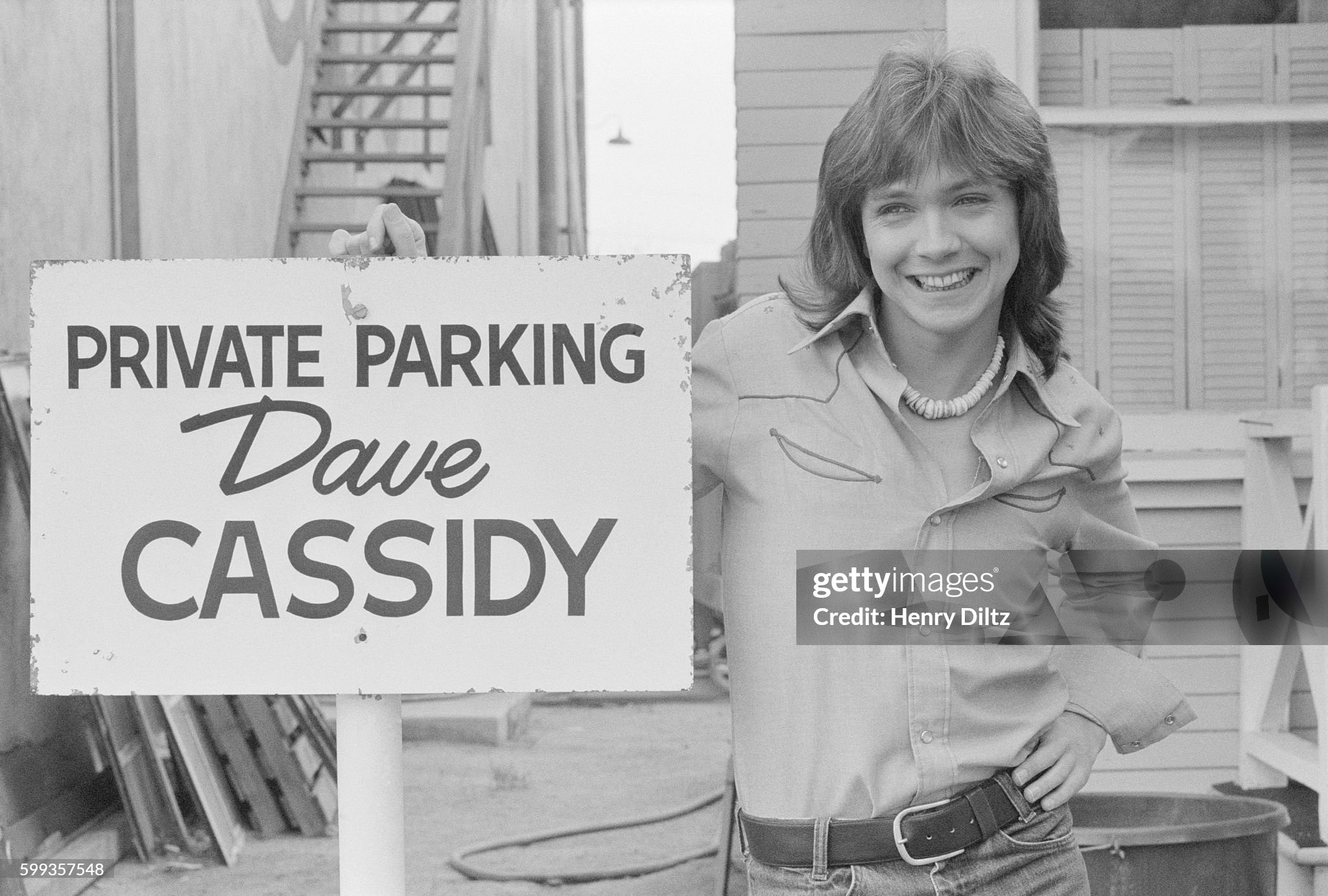
Part of the charm is precisely that paradox. Cassidy was, at the time, the face and voice people associated with The Partridge Family—a weekly world built to look carefree, even when real life rarely is. Christmas songs, especially this one, are already built on the tension between innocence and accountability: you’re told you’re being watched, weighed, remembered. In Cassidy’s performance, that moral “list” feels less like a threat and more like a wink from someone who wants you to do right—not because you fear punishment, but because you still want to be worthy of the season.
Musically, the song’s genius has always been its momentum: that brisk, marching rhythm that makes the lyric feel like news arriving at the doorstep. But in Cassidy’s early-’70s reading, there’s a softness around the edges—an almost boyish brightness that makes the line about “coming to town” sound like the best kind of rumor. It turns Santa into a symbol of return: the idea that what’s been missing can come back, that the year can close its weary book and open a cleaner page.
And then there’s the later chapter—quieter, more reflective. In 2016, Cassidy released a holiday EP titled David Cassidy Christmas – EP, which includes a track listed as “Santa Claus Is Coming”, released digitally (the EP release is commonly given as November 13, 2016, and digital distributor metadata places the track’s release in early November 2016). This later recording doesn’t carry the same cultural “chart story” as 1971—because the era itself had changed. By then, Christmas music didn’t need a single to travel; it drifted through playlists and late-night television appearances, finding listeners in more private ways.
That’s what makes Cassidy’s Christmas material—especially this song, in either form—so poignant. A Christmas standard is supposed to outlive trends, outlast hairstyles, outlast the decade that first embraced it. When a voice you associate with youth returns to a holiday song later in life, it subtly changes the meaning: it becomes not only about Santa arriving, but about time arriving—another year, another chance, another winter where the same melody can still make the room feel kinder.
In the end, “Santa Claus Is Coming” endures because it speaks to a simple human hope: that goodness is noticed, that small efforts matter, and that the world—however complicated it becomes—still permits one bright, familiar moment when we’re allowed to believe in gentle judgment and even gentler forgiveness.