
A Farewell Woven in Grace: The Art of Letting Go Without Bitterness
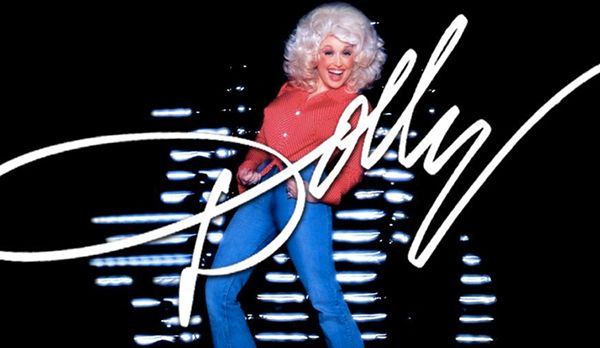
When Dolly Parton released “I Will Always Love You” in 1974, the song ascended to the top of the Billboard Hot Country Songs chart—an achievement it would repeat nearly a decade later when Parton re-recorded it for the 1982 film The Best Little Whorehouse in Texas. Featured originally on her album Jolene, the track emerged as both a defining moment in her songwriting career and a testament to her emotional intelligence as an artist. At its heart, this song is not a lament of romantic loss but a dignified goodbye between creative partners, written as Parton prepared to leave her longtime mentor and collaborator, Porter Wagoner. Its success marked more than a commercial triumph; it solidified her voice as one capable of articulating heartbreak without cruelty—a talent rare even among country music’s most gifted storytellers.
The story behind “I Will Always Love You” is one of quiet courage. Parton had spent years under Wagoner’s guidance, developing her artistry on his television show and within his touring ensemble. But by 1973, she was ready to carve her own path. Rather than ending their professional relationship with acrimony, she chose to compose a farewell that spoke through love and gratitude instead of resentment. In doing so, she transmuted personal upheaval into universal poetry. The melody carries simplicity itself—a soft waltz time signature, tender acoustic accompaniment, and a vocal performance steeped in unguarded sincerity. There is no dramatic flourish or orchestral excess; Parton relies instead on restraint, allowing every note and word to breathe naturally, like a private letter that somehow became an anthem.
Lyrically, the song achieves what few farewells dare attempt: it blesses the past rather than burying it. The narrator promises enduring affection even as she walks away, balancing self-determination with empathy. This paradox—loving enough to leave—is what gives “I Will Always Love You” its timeless gravity. In country tradition, farewells often unfold through bitterness or regret; Parton subverts that pattern with grace. The song’s structure mirrors its emotional journey: a gentle rise toward resolution, never toward vengeance or despair. It is both personal testament and moral compass—a vision of love mature enough to honor what once was while making peace with what must end.
Over time, the song’s legacy only deepened. When Whitney Houston recorded her now-iconic rendition in 1992 for The Bodyguard, she amplified its emotional scope for a new generation, transforming it into one of the best-selling singles of all time. Yet beneath Houston’s soaring power remains the quiet wisdom of Parton’s original composition—the purity of intention that makes every interpretation circle back to its author’s truth. Dolly Parton’s “I Will Always Love You” endures not merely because it is beautiful, but because it articulates one of life’s hardest truths: love can remain pure even as we let go.