
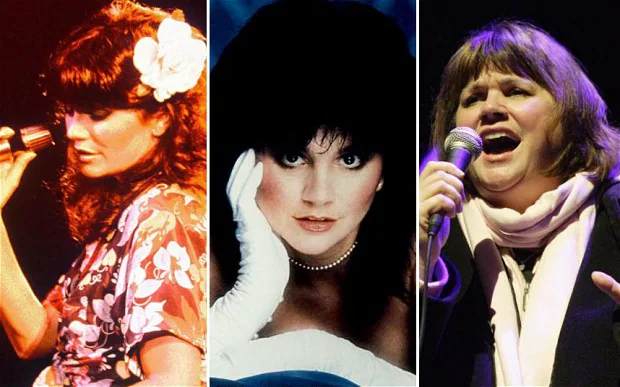
“What’s New?” is Linda Ronstadt stepping out of the roar of rock stardom and into the soft lamp-glow of the Great American Songbook—asking, with calm courage, whether love can begin again the way it once did.
The first thing to know is that “What’s New?” wasn’t a casual detour—it was a public risk, taken in plain sight. Released as the lead single from What’s New (the album released September 12, 1983), the song entered the Billboard Hot 100 the week ending September 17, 1983 at No. 84—a modest debut for an artist who’d already owned pop radio in the 1970s. Yet the record didn’t need a sprint; it needed patience. “What’s New?” eventually peaked at No. 53 on the Hot 100, while rising much higher where grown-up heartbreak still had a home: No. 5 on Billboard’s Adult Contemporary chart. And the album itself—What’s New, credited to Linda Ronstadt & The Nelson Riddle Orchestra—grew into a phenomenon: it peaked at No. 3 on the Billboard 200, held that position for five consecutive weeks, and went RIAA Triple Platinum in the U.S.
Those numbers matter because they explain the emotional temperature of this era: the early 1980s were noisy, synthetic, fast—yet here came Linda Ronstadt, once widely framed as rock’s leading woman, choosing to sing a 1939 standard with an orchestra and a question mark. The song itself, “What’s New?”, was written by Bob Haggart (music) and Johnny Burke (lyrics), born in the pre-war world of late-night bands and cigarette-smoke elegance—where longing didn’t shout, it lingered. In Ronstadt’s version, that old question—What’s new? How is the world treating you?—stops being a clever line and becomes a delicate act of courage. Because it’s not really small talk. It’s an attempt to cross the distance after silence, to reopen a door without slamming pride against the frame.
The story behind the recording is just as human as the lyric. What’s New was produced by Peter Asher, and arranged and conducted by the legendary Nelson Riddle—a name synonymous with classic vocal orchestration. Ronstadt’s decision to make an album of standards was, by many accounts, met with real anxiety from the business side; the fear was simple: “You’ll lose your rock audience.” But she insisted anyway, and that insistence—quiet, steady, almost stubborn—became the album’s heartbeat. There’s something moving about that: an artist at the height of cultural visibility choosing not the safest move, but the truest one.
Listen closely to “What’s New?” and you can hear how she balances power and restraint. Ronstadt had one of the great instruments in popular music—capable of force, clarity, and wildfire. Here she does something harder: she reduces the flame to a candle and trusts the room to notice. The phrasing is conversational, but every syllable is weighted, as if she’s tasting each word for what it might cost to say it. The orchestra doesn’t overwhelm her; it holds her—like an old photograph held flat so it won’t curl at the edges.
And then comes the deeper meaning, the part that stays after the track ends. “What’s New?” is a song about reunion, yes—but also about the tenderness of aging emotions. It suggests that the heart doesn’t stop wanting; it just becomes more careful about asking. The lyric’s politeness is not distance—it’s vulnerability in formal wear. Ronstadt sings as if she knows how easily dignity can become a disguise, and how desperately we sometimes need that disguise just to make the first approach.
In the end, “What’s New?” doesn’t chase you. It waits—like a letter you find again years later, still folded where you left it. And when you finally unfold it, the message isn’t dramatic. It’s simply brave: I’m here. I remember. If you’re willing… we can speak again.