
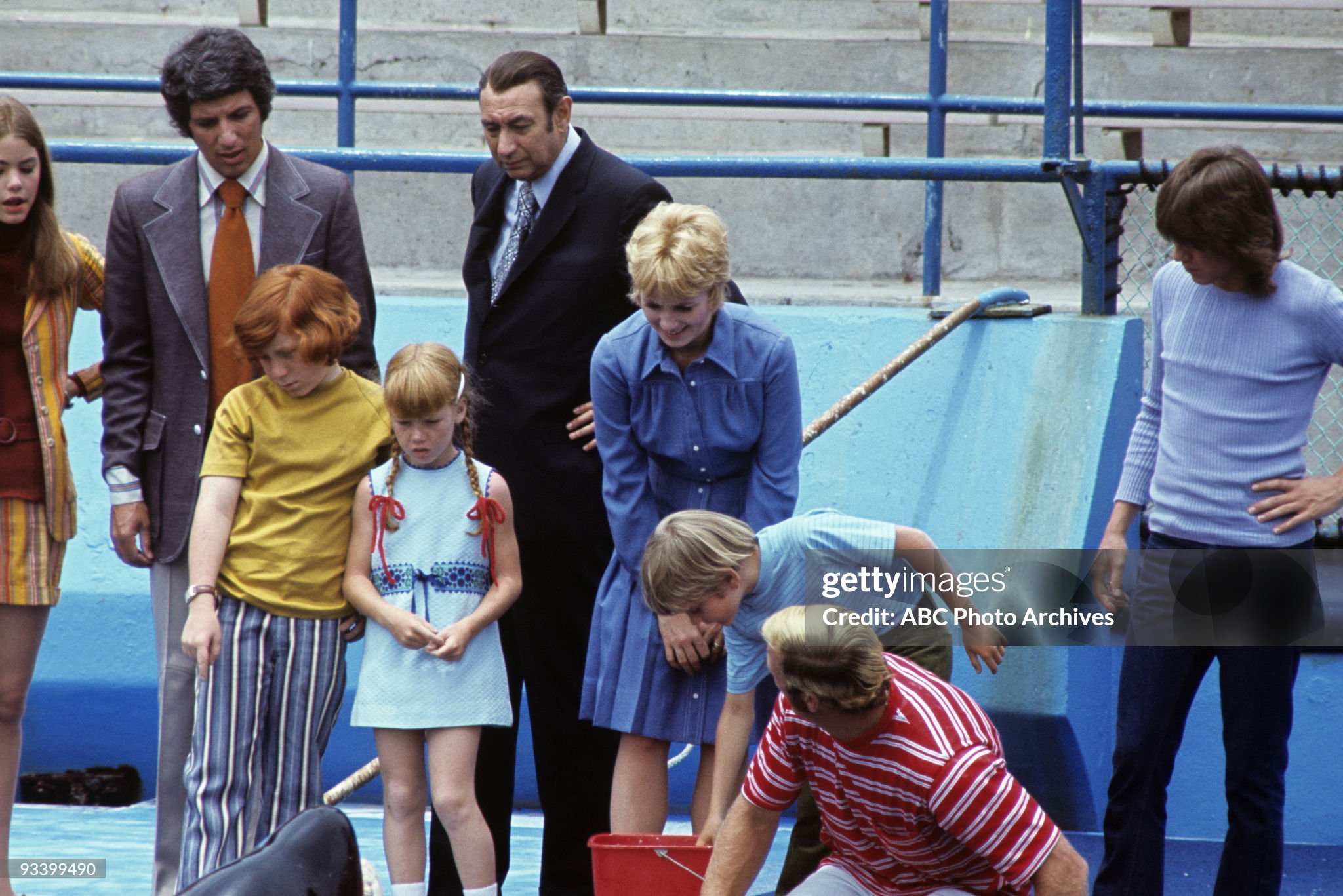
“I Really Want To Know You” feels sweeter and deeper than ordinary teen-pop because it is not just asking for romance—it is asking for entrance into another person’s hidden inner world, with all the trembling urgency that a first real crush can bring.
There are many songs about young attraction, but very few understand that the first true crush is not only about wanting to be near someone. It is about wanting to know them—really know them—before life teaches us how often people stay partly closed, partly guarded, partly out of reach. That is why The Partridge Family’s “I Really Want To Know You” still sounds so winning. It may live inside the bright, approachable world of early-1970s pop television, but the feeling at its center is more delicate than that label suggests. Released on The Partridge Family Album in October 1970, the song was not issued as one of the album’s charting singles. Its chart story belongs instead to the album itself, which rose to No. 4 on Billboard’s Top LPs, powered above all by “I Think I Love You.” That distinction matters, because “I Really Want To Know You” survives not as an overplayed hit, but as a finer, more intimate album gem.
And perhaps that is exactly why it feels so fresh. Songs that were not worn down by constant radio repetition often preserve their tenderness better. “I Really Want To Know You” still has the glow of discovery. It sits on that first Partridge Family album as one of the tracks where the emotional temperature softens and deepens. The record itself arrived only a month after the television series debuted, at a moment when the group’s identity was still being formed in public. Yet even in that manufactured pop setting, this song sounds disarmingly sincere. It was recorded on May 16, 1970, early in the album sessions, and the lyric’s emotional instinct already feels unusually mature: this is not merely “I want you,” but “I want to see behind the mirror of your eyes.” That is a striking idea for a pop song aimed at a broad family audience.
A great deal of that depth comes from the writers. “I Really Want To Know You” was written by the formidable songwriting team Barry Mann and Cynthia Weil, one of the great Brill Building partnerships, and their touch is unmistakable. They always understood how to make direct language carry deeper emotional weight. Here, they give the song a title that sounds innocent enough, almost conversational, but under that simplicity lies a profound yearning. The narrator does not want surface charm or passing excitement. The narrator wants to enter the beloved person’s private weather—fears, tears, dreams, secrets. That is why the song captures the sweet urgency of a first real crush so beautifully: at that age of feeling, affection so often arrives as curiosity mixed with wonder, as if the other person were a whole unopened world.
What makes the Partridge Family version especially touching is the way it softens that emotional hunger into something melodic and approachable. On the debut album, the blended studio harmonies were a crucial part of the group’s sound, and the album notes indicate that “I Really Want to Know You” is one of the tracks where those harmonies dominate rather than turning the whole spotlight toward David Cassidy. That gives the song a different atmosphere from the obvious teen-idol showcases. It feels less like a performance aimed outward and more like a shared confession floating inward. The arrangement does not push too hard. It lets the melody carry the ache. And in doing so, it preserves the gentleness that makes the song so enduring.
There is also something revealing in the song’s wider history. SecondHandSongs notes that “I Really Want To Know You” was written by Mann and Weil and had been released before by other artists, which reminds us that the composition itself was strong enough to travel beyond one act or one era. But in the hands of The Partridge Family, it takes on a particular innocence—not childish innocence, but emotional openness. Their version makes the lyric sound like that suspended moment before romance becomes complicated, when longing still believes that understanding another person completely might actually be possible. That is the beautiful illusion at the heart of a first real crush, and the song catches it almost perfectly.
So no, “I Really Want To Know You” is not just another teen-pop tune from a television phenomenon. It is sweeter than that, and wiser too. It understands that the first serious stirrings of love are often not physical before they are emotional, not dramatic before they are curious. One wants to be seen, yes—but one also wants to cross the distance and truly see. That is the urgency the song preserves. It is gentle, melodic, and warm, but beneath all that lies a small, brave emotional leap: the willingness to ask not just for affection, but for intimacy. And that is why The Partridge Family’s “I Really Want To Know You” still lingers so gracefully. It captures that rare early moment when the heart does not yet know how to protect itself—and so it reaches outward with complete sincerity.