
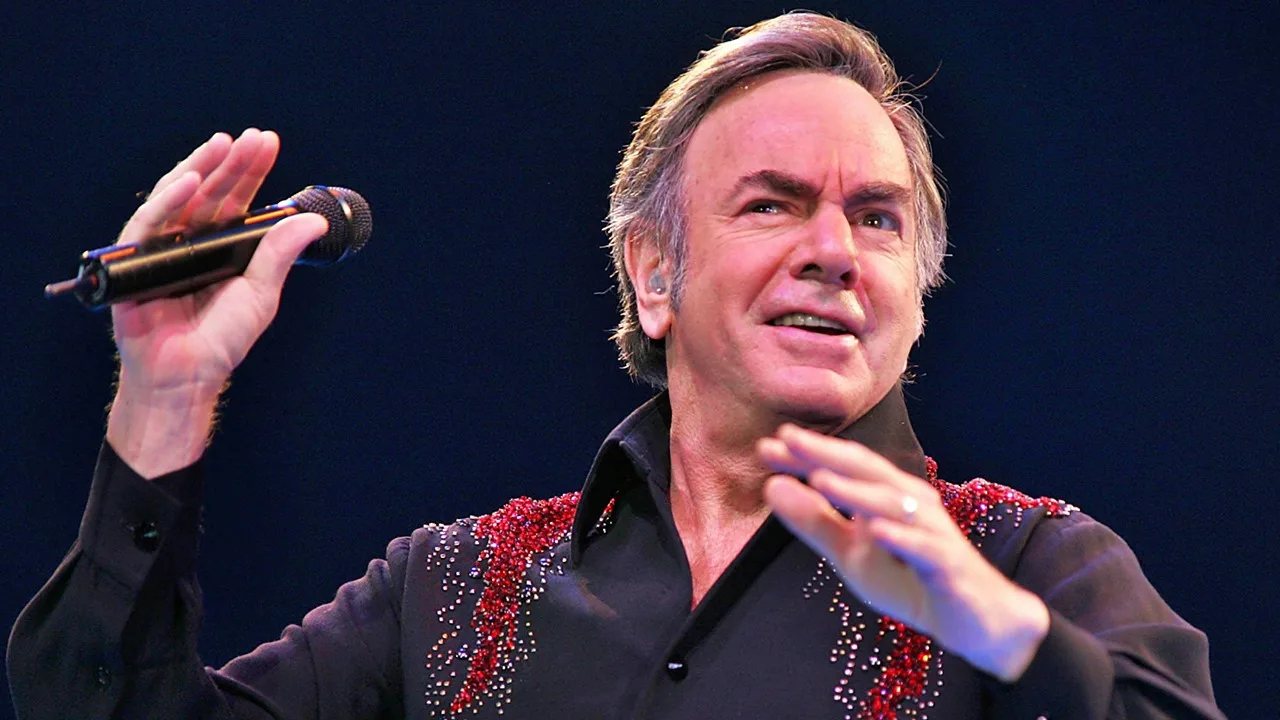
“Someday Baby” feels like a small, stubborn promise whispered over a late-night radio—simple words, but the kind that keep echoing long after the needle lifts.
The key details belong up front, because they place the song exactly where it lives in time. “Someday Baby” is an early Neil Diamond recording from his Bang-era beginnings, issued first on his debut album The Feel of Neil Diamond, released August 12, 1966 on **Bang Records. It was shaped by the same behind-the-glass team that helped define Diamond’s first wave: produced by Jeff Barry and Ellie Greenwich, with Artie Butler credited as arranger and conductor.
Chart-wise, “Someday Baby” didn’t get its own clean “climb and peak” story as a featured A-side in the U.S. pop market. Instead, it became part of a more old-fashioned kind of success: it was released as the B-side to You Got to Me, a single that reached No. 18 on the Billboard Hot 100. That means the song’s “position in the world” came less from headline charting and more from the way B-sides used to work—songs you discovered almost by accident, when you didn’t lift the tonearm after the hit, when you let the record keep turning because you weren’t ready for silence.
And the timing is poignant. In those exact years, Diamond was also proving himself as a writer powerful enough to fuel other acts—most famously The Monkees, who took his composition I’m a Believer to No. 1 in late 1966. You can feel that “professional songwriter” skill inside “Someday Baby”: the structure is tight, the hook arrives without fuss, and the emotional message is delivered in plain language—because plain language is what survives. This is early Diamond learning how to sound inevitable.
Still, what makes “Someday Baby” worth returning to isn’t cleverness. It’s the emotional posture. The title phrase—someday—is one of the gentlest forms of defiance a heart can manage. It’s what you say when you can’t honestly claim you’re fine, but you also refuse to declare defeat. The song doesn’t need grand metaphors; it leans on that one human habit: postponing heartbreak just long enough to keep breathing.
The production carries that feeling beautifully. Barry and Greenwich’s Bang-era approach (so often brisk, bright, and radio-minded) gives the track a forward motion that feels like walking with purpose even when you’re wounded—chin up, steps steady, no dramatics. And that’s part of the magic: sadness presented with momentum. Not wallowing. Not pleading. Just a pulse, a beat, a promise to outlast the present moment.
If you’ve ever loved the sound of 1966–67 pop-rock—when records still had the snap of the room in them, when vocals sat close enough to feel like a conversation—“Someday Baby” offers a particular kind of comfort. It’s not the comfort of reassurance; it’s the comfort of recognition. The song seems to say: you’re allowed to miss someone, and you’re allowed to keep your dignity while you do it.
And perhaps that’s why it remains one of those “quiet keepers” in Diamond’s early catalog. Hits announce themselves. B-sides haunt you. “Someday Baby” lives in that second category: the track you put on when the season turns, when you remember that youth wasn’t only bright—it was also full of waiting, full of hoping that time would fix what the heart couldn’t.
If you want, tell me whether you mean the 1966 album track or a specific single pressing / reissue you’re listening to—some releases list it as “Some Day Baby,” and the pairing with “New Orleans” vs. the B-side to “You Got to Me” can change depending on country and pressing.