
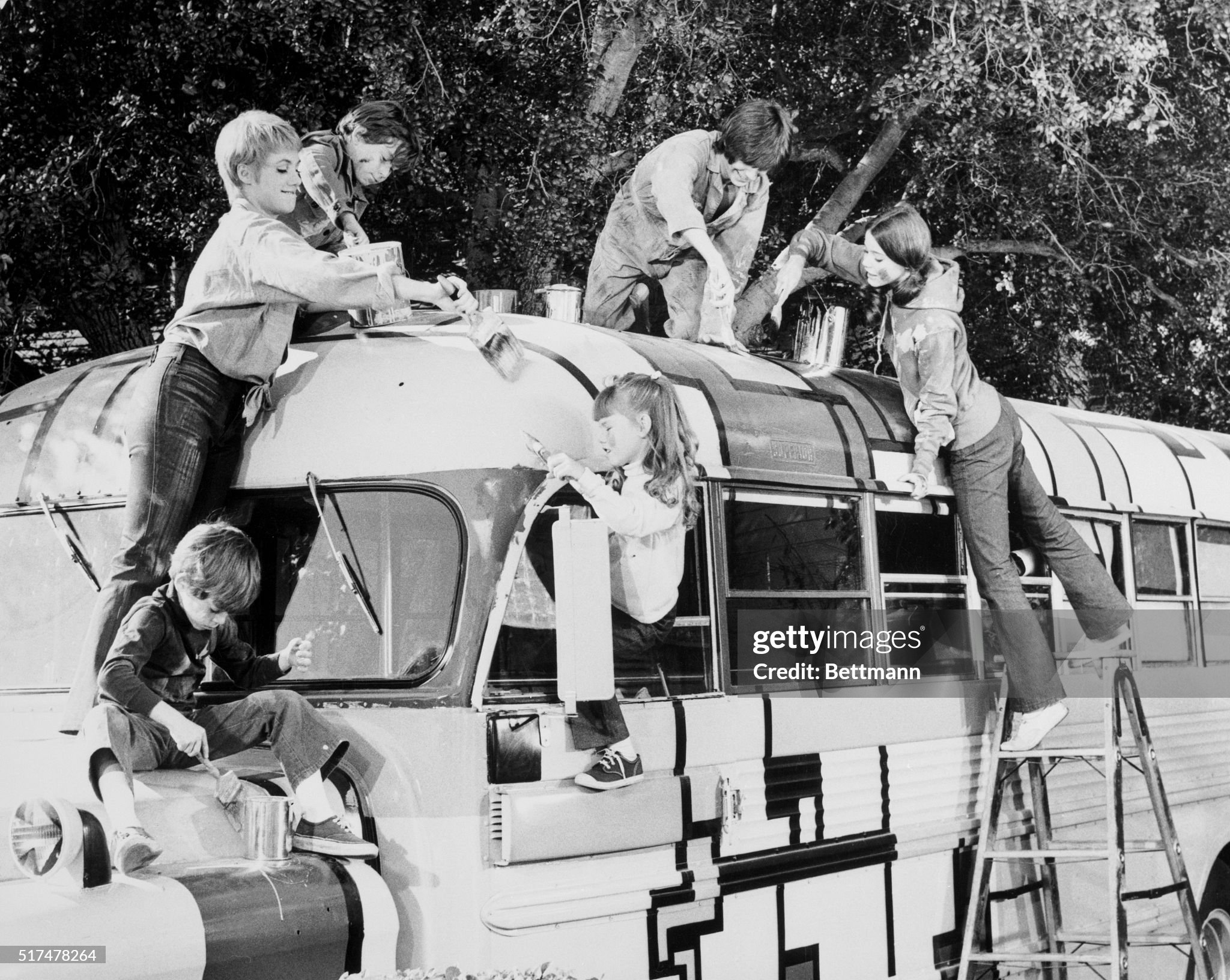
“Together We’re Better” still feels like a small lamp left burning from another time—gentle, bright, and full of the kind of togetherness that The Partridge Family could make sound not manufactured, but sincerely comforting.
There are songs that become classics because they are dramatic, and there are songs that remain beloved for the opposite reason. “Together We’re Better” belongs to that second kind. It does not arrive with thunder. It does not ask to be treated as a grand statement. Instead, it offers something softer and, in many ways, harder to fake: warmth. Real warmth. The kind that makes a song feel less like a performance and more like a friendly arm across the shoulder, a familiar room, a half-forgotten smile returning when you hear the first few notes again.
That was always part of the quiet magic of The Partridge Family. For all the bright pop polish around the group, their best records carried a kind of emotional ease that made them feel instantly livable. “Together We’re Better” is a lovely example of that gift. It appeared on The Partridge Family Notebook, released in November 1972, and the song itself was recorded on May 1, 1972 during the album sessions. The album would go on to reach No. 41 on Billboard’s Top LP’s chart in early 1973.
And yet numbers only tell a small part of the story here. “Together We’re Better” was never one of those towering signature hits endlessly written into pop mythology. That may be exactly why it feels so personal now. It lives in that treasured space of catalog songs—the ones listeners return to not because the world told them to, but because something in the song quietly stayed with them. Over time, those songs can come to mean even more than the obvious hits. They feel discovered rather than assigned. They become part of someone’s private memory.
What makes “Together We’re Better” so easy to love is its emotional plainness in the best sense. The title alone says nearly everything. There is no cleverness trying to outshine the feeling. It rests on one simple truth: things are better when they are shared, when loneliness gives way to companionship, when affection feels steady rather than theatrical. Pop music often chases intensity, but this song trusts reassurance. That is one reason it still shines. It is built on comfort, and comfort ages beautifully when it is honestly given.
The songwriting helped. “Together We’re Better” was written by Tony Romeo and Ken Jacobson, with Romeo long associated with the sunny, melodic side of the Partridge sound. The song was written specifically for The Partridge Family, and that makes sense the moment you hear it. It fits their musical personality so naturally that it is hard to imagine it belonging anywhere else.
There is also something touching in the way the record sits within the life of the group. By the time Notebook appeared, the first burst of Partridge mania had already begun to settle into something gentler. The album was notable for being the first Partridge Family studio album not to reach the U.S. Top 40, even though it still spent 16 weeks on the chart. Its lead single, “Looking Through the Eyes of Love,” reached No. 39 on the Billboard Hot 100, while a later U.S. single, “Friend and a Lover,” stalled at No. 99.
That context matters because it gives “Together We’re Better” a faint bittersweet glow. It comes from a moment when the machinery of stardom was still turning, but perhaps a little less noisily than before. And maybe that is why the song feels so human now. Removed from the frenzy, what remains is the sound itself: melodic, sincere, unhurried in spirit, and carried by that unmistakable Partridge brightness that always seemed to promise that the world might be kinder than it often was.
Musically, the song has that familiar early-1970s pop charm—clean arrangement, direct melody, and an emotional openness that never gets weighed down. David Cassidy’s voice gives it lift, but not in a showy way. He sounds youthful, yes, though just as important is the sense of welcome in the performance. The record does not strain to impress. It invites. And sometimes that is the difference between a song that is admired and one that is loved.
There is a later footnote to the song’s history that says something about its durability. In the UK, “Together We’re Better” was issued as the B-side to “Walking in the Rain” in 1973, which shows that the song was valued enough to continue circulating beyond the album itself.
But in truth, the real legacy of “Together We’re Better” has less to do with release strategy than with feeling. What it preserves is a very particular kind of pop innocence—not childish, but hopeful. It reminds us of a time when a song could be built around closeness, sweetness, and uncomplicated affection without apologizing for any of it. There is no irony here, and that may be one reason the song still feels so refreshing. It believes in its own warmth.
That is why “Together We’re Better” continues to glow. Not because it was the loudest song in the room, but because it was one of the kindest. And kindness, when set to melody, has a way of lasting far longer than fashion.