
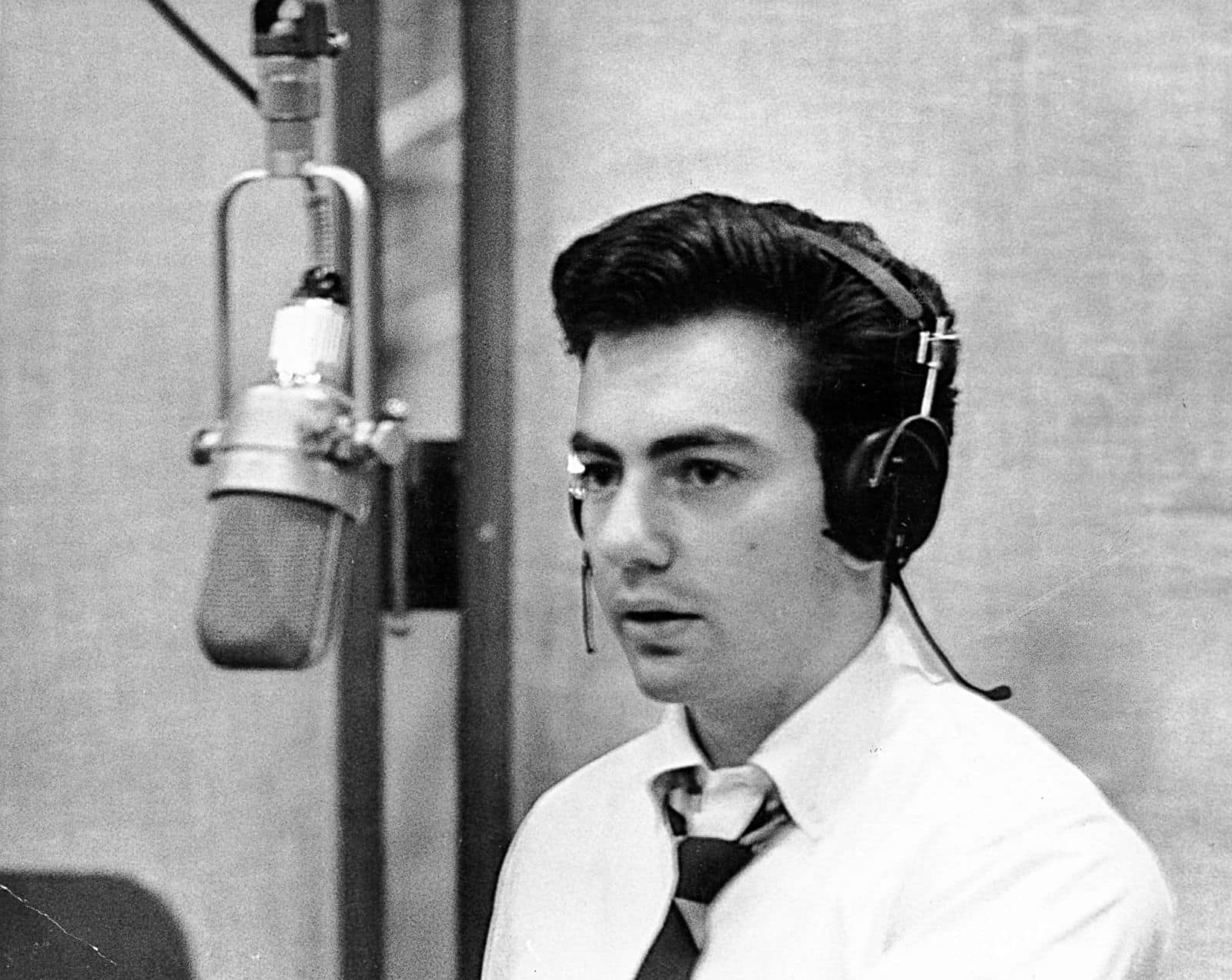
In “One More Bite of the Apple,” Neil Diamond does not sound merely hungry for another chance—he sounds like a man fighting his way back toward the center of his own life, with memory, pride, and urgency all pushing at once.
By the time Neil Diamond released “One More Bite of the Apple” on his 2008 album Home Before Dark, he was not a young man chasing his first opening anymore. He was an artist with decades behind him, already long established, already woven into American popular music. And that is exactly why the song hits with such surprising force. Home Before Dark was released in May 2008, produced by Rick Rubin, and became a major late-career triumph: it reached No. 1 in the United States, the United Kingdom, and New Zealand, and in America it made Diamond, at the time, the oldest performer to top the U.S. album chart. The album’s success matters because it frames this song not as a nostalgic footnote, but as part of a real artistic return—strong, public, and impossible to dismiss.
What makes the song especially compelling is that its title can mislead you at first. “One More Bite of the Apple” sounds almost playful, even sly, as if it might be about temptation in some easy, well-worn sense. But the performance says something harder than that. It says struggle. It says comeback. It says a man refusing to accept that desire must fade simply because time has passed. On Home Before Dark, the song sits deep in the album rather than announcing itself from the first track, yet critics singled it out anyway; Slant noted that both “Pretty Amazing Grace” and “One More Bite of the Apple” carried “exceptional pop melody,” shaped by Rubin’s restrained production and Diamond’s more controlled vocal approach. That combination is crucial: the song has drive, but it is not overblown. The energy comes from conviction rather than sheer volume.
The one detail that warms the story most is in the lyric itself. This is not really a song about indulgence. It is a song about return. Diamond sings, “Been away from you for much too long / Been away but now I’m back where I belong,” and from there the song reveals its deeper heart: “I couldn’t get the music off my mind / And I couldn’t leave the needing you behind.” That is the real jewel here. The hunger in the title turns out to be hunger for purpose, for creation, for the old fire that made life feel vivid. The “apple” is not just pleasure. It is the taste of being fully alive again. The lyric keeps reaching beyond appetite into something more urgent—“one more chance to get it right,” “one more grab at the brass ring,” one more shot at the thing that once defined him.
And that is why the performance feels almost combative. Not angry, exactly, but determined in a way that brushes against battle. There is no softness of surrender in it. The voice carries grain, push, and insistence. The man in the song has counted losses—“couldn’t count the chances or the cost”—yet he refuses to end there. He sounds like someone arguing against weariness itself. Even when the lyrics look backward, the performance lunges forward. It is not content to remember old glory. It wants to reclaim motion. That changes the emotional weather of the whole song. What might have been wistful becomes muscular. What might have been reflective becomes almost defiant.
There is also something moving about where this song stood in Neil Diamond’s career. Rick Rubin’s work with him on 12 Songs had already helped strip away some of the heavier gloss that had obscured Diamond’s strengths in certain later periods, and Home Before Dark continued that renewal. The album’s leaner production allowed his songwriting and vocal character to stand clearer in the light. In that setting, “One More Bite of the Apple” does not feel like an aging star trying to sound young. It feels like a seasoned artist refusing to let age speak the final word. That difference matters. One is vanity. The other is soul.
So yes, the title says hunger—but the performance says war. Not war in the grand historical sense, but the private war every artist, and perhaps every person, knows sooner or later: the fight against diminishment, against drift, against the fear that the best room in the house has already been left behind. Neil Diamond does not sing this song like a man politely revisiting old pleasures. He sings it like someone kicking open a door he still believes he has the right to enter. And that belief gives the song its force. It is not merely about wanting another taste. It is about refusing exile from your own life.
That is why “One More Bite of the Apple” lands more deeply than many listeners might expect. Beneath its catchy phrase is a hard, human pulse: the refusal to disappear, the refusal to settle for memory when action is still possible, the refusal to let the inner music go silent. In Neil Diamond’s voice, the song becomes a late-career declaration—not gentle, not resigned, but bracingly alive. And sometimes that kind of force is more stirring than youth itself.