
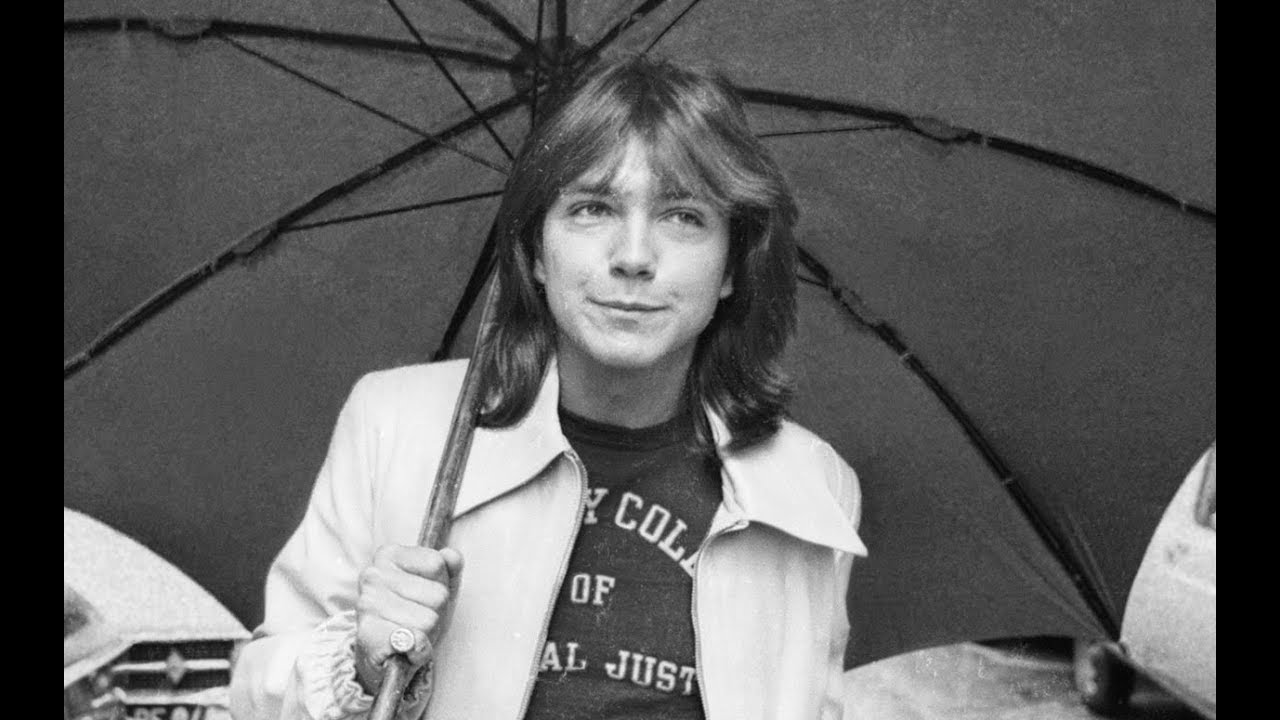
“Long Sunday Afternoon / My Friend” is childhood remembered with a lump in the throat—two boys singing across a class divide, not yet knowing how quickly fate can grow teeth.
The most important truth is this: “Long Sunday Afternoon / My Friend” isn’t a “David Cassidy pop single” in the classic teen-idol sense. It’s a theatre number from Willy Russell’s musical Blood Brothers, recorded for the studio cast album Blood Brothers: The International Recording (released 1995) featuring David Cassidy, Shaun Cassidy, and Petula Clark. On that recording, the track runs 3:42, and it’s performed as a paired scene—two connected songs fused into one emotional vignette: the slow boredom of a Sunday with nothing to do, and the fierce, uncomplicated devotion of boyhood friendship.
Because it’s a cast recording track rather than a radio-driven single, it doesn’t have a clean “debut at No. X” on the Billboard Hot 100 to report. Its “arrival” belongs to a different kind of stage-light: the long life of Blood Brothers itself—first written and performed in the early 1980s, then revived and sustained for decades in the West End, becoming one of modern British musical theatre’s most enduring heartbreakers.
What makes this particular recording quietly special is the casting—and the story behind that casting. David Cassidy and Shaun Cassidy appear together here as the separated twins at the center of Blood Brothers: Mickey (working-class, combustible, hungry for joy) and Edward (“Eddie”) (middle-class, sheltered, earnest). The Wikipedia production history even lists David Cassidy among notable performers who played Mickey, and Shaun Cassidy among notable performers who played Edward. That’s not trivia—it changes the emotional weather. Two brothers (one a half-brother in real life, but bound by a shared pop-mythology) stepping into a story about brothers torn apart by circumstance gives the music an extra, unspoken resonance.
In the show’s world, “Long Sunday Afternoon / My Friend” is the sound of innocence before the trap springs. The “long Sunday afternoon” section captures that peculiar childhood boredom—streets that feel deserted, time that won’t move, the small restless rituals of “kicking cans around” and trying to make the day end faster. (You don’t need pyrotechnics for that feeling; you only need the slow drip of hours.) Then the song pivots into “My Friend”, and suddenly boredom becomes tenderness: a boy describing the other boy who makes the world feel survivable—sharing sweets, swapping jokes, admiring the other’s bravery or polish, each of them secretly wanting to become what the other already seems to be.
That, right there, is Blood Brothers in miniature: the ache of class differences explained not with lectures, but with longing. The boys aren’t political philosophers; they’re kids. They don’t speak about “social structures.” They speak about clean clothes, big words, swagger, the kind of confidence that seems like magic when you don’t have it. And in that innocent admiration lives the tragedy: friendship becomes a mirror, and the mirror shows you what you lack.
On the 1995 recording, the track appears as No. 9 in the album’s official running order—nestled among other scene-songs that chart the characters’ lives as they move from play to consequence. Hearing it there is like opening an old photograph album and realizing—too late—that every smiling picture also contained the shadow of what was coming.
So what does “Long Sunday Afternoon / My Friend” mean, beyond the plot?
It’s a reminder that the purest friendships are often forged not in excitement, but in shared emptiness—hours with nothing to do, streets with no one around, the simple decision to keep each other company. It honors the way children attach to each other with total sincerity, before adulthood teaches them to guard their hearts. And it carries the musical’s cruelest lesson softly: you can love someone with your whole chest and still lose them—not because you stopped caring, but because life rearranged the world around you.
That’s why this song lingers. It doesn’t shout its emotion; it remembers it. And in the voices of David Cassidy and Shaun Cassidy—set inside Willy Russell’s bittersweet machinery—the memory feels almost dangerously alive: one long afternoon, one true friend, and the faintest chill at the edge of the sunlight, hinting that childhood never stays where we left it.