
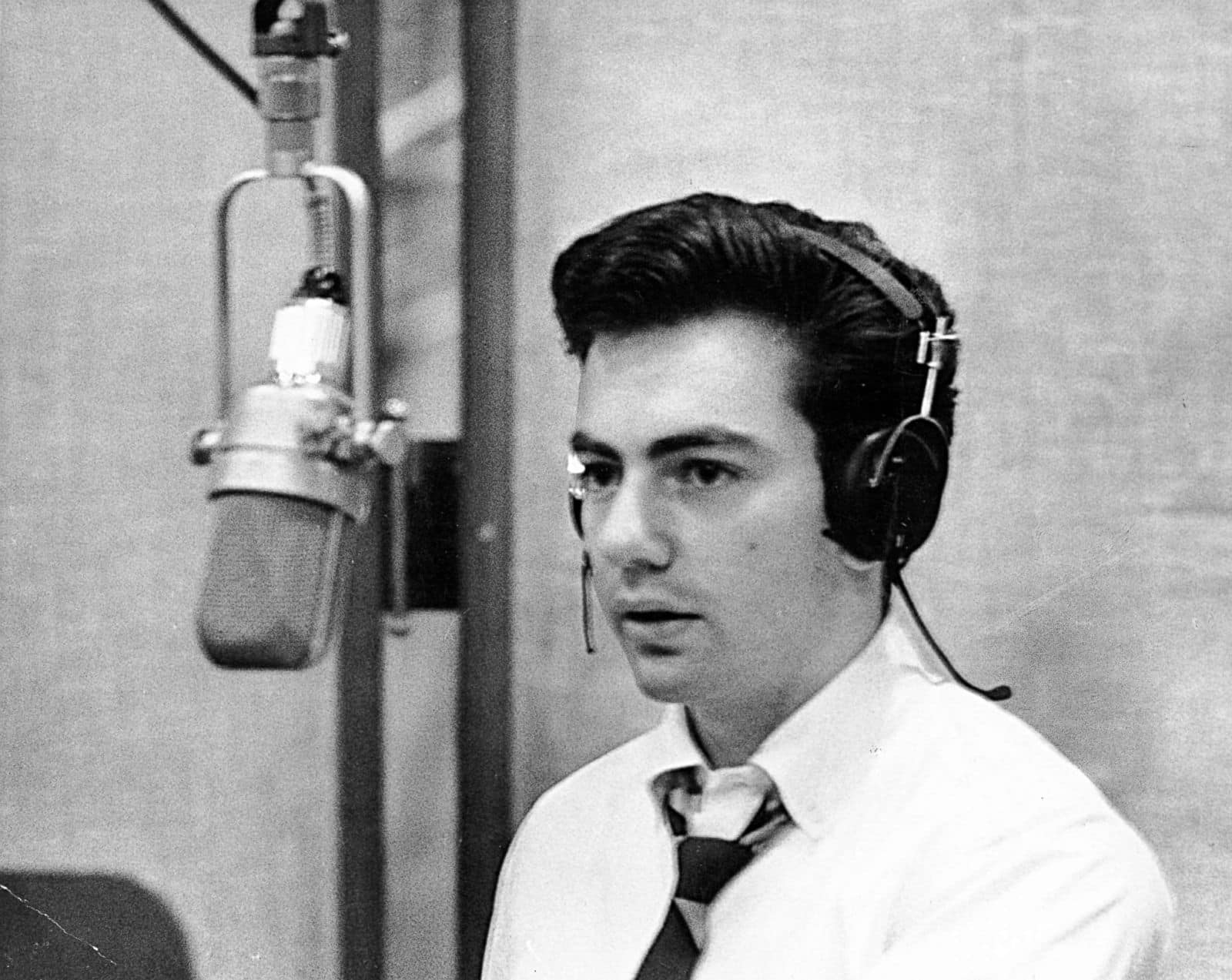
“Home Is a Wounded Heart” aches like a postcard written too late—proof that the road can give you “love and glory,” yet still leave your truest place bleeding.
The title alone—“Home Is a Wounded Heart”—sounds like something you don’t invent so much as admit. It belongs to that corner of Neil Diamond’s writing where the big, singable emotions are not triumphs but reckonings: love tested by distance, pride bruised by ambition, and the quiet devastation of realizing that “home” isn’t a location at all, but a living thing you can hurt.
The song was released in 1976 as part of Diamond’s album Beautiful Noise, produced by Robbie Robertson (of The Band)—a collaboration that signaled a deliberate shift in texture and tone for Diamond, a record often described as a stylistic departure and a “comeback” moment in its own era. The album itself came out on June 11, 1976, and it’s no small detail that it was shaped in studios like Shangri-La and The Village Recorder, places steeped in the craft of American rock and soul.
But “Home Is a Wounded Heart” has an unusual public “release story” compared with Diamond’s bigger singles: it was issued as the B-side to “Don’t Think… Feel,” a single released that fall and credited with reaching No. 43 on the U.S. Billboard Hot 100 (and No. 4 on Billboard’s Adult Contemporary chart). In other words, many listeners first encountered this song the old-fashioned way—by flipping the record over, away from the “featured” track, and into the deeper cut that sometimes tells the truer story. That’s fitting, because this is a song about what happens when the bright side of the world—success, motion, the next town—can’t quite hide what’s waiting back at the center of your life.
If you listen closely to what Diamond is doing here, the narrative is almost archetypal: he is out chasing something—status, romance, the myth of “making it”—while she is at home by the fire, keeping the faith alive with ordinary patience. (The lyric sketches this plainly, without ornate language, because plainness is part of the wound.) And then comes the twist that makes the title sting: home isn’t merely lonely; it’s injured. A “wounded heart” suggests not only longing, but damage—something that has been pierced, reopened, left exposed to the weather.
Placed on Beautiful Noise, the song also feels like a thematic hinge. That album carries the fingerprints of Robertson’s production world—Garth Hudson appears on organ across the record, and Diamond even performed the album track “Dry Your Eyes” with The Band at their famous farewell concert captured in The Last Waltz. In that broader context, “Home Is a Wounded Heart” becomes more than a personal lament. It sits inside a record that’s preoccupied with American motion: streets, noise, signs, the carnival of desire. The wound, then, isn’t just romantic. It’s cultural—an ache from the endless push outward, the way chasing “more” can quietly impoverish the place you came from.
What makes Diamond’s writing endure is his instinct for metaphors that feel immediately understandable, yet keep unfolding when you revisit them years later. “Home” in this song is not simply a house or a hometown. It is the tender core of someone’s life—the part that waits, keeps watch, remembers. Calling it a “wounded heart” implies that leaving isn’t neutral. Distance has consequences. Glory has a cost. And love, even when it remains loyal, can be harmed by repeated absence.
That is why this track has always felt like a secret favorite—less famous than the album’s marquee moments, but emotionally direct in a way that bypasses fashion. Even its chart identity is indirect: it traveled into the world on the reverse side of another song, tethered to the autumn 1976 single cycle rather than promoted as a headline. Yet the best B-sides have a special dignity. They’re the songs that don’t elbow for attention. They simply tell the truth and trust you’ll eventually need it.
And perhaps that’s the most haunting thing Neil Diamond offers here: a reminder that the place we call “home” can survive our wanderings—but it may not survive them unscarred. “Home Is a Wounded Heart” doesn’t judge the traveler; it just shows the aftermath. It’s a song for anyone who has ever mistaken motion for meaning—and then, one quiet evening, realized that the truest part of life was waiting somewhere warm, hurting, and still hoping.