
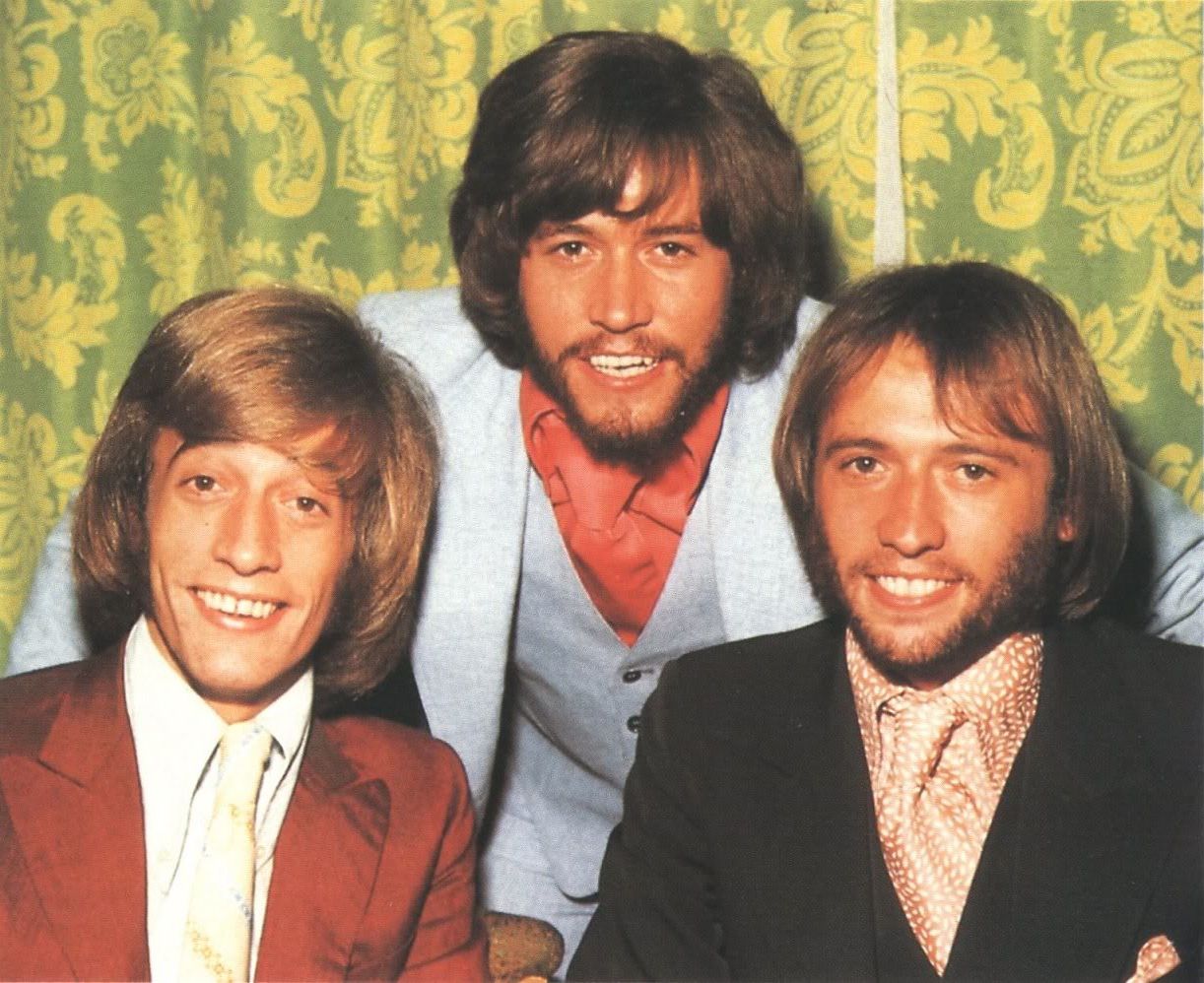
“Massachusetts” is homesickness dressed in velvet harmony—a postcard from far away, where the brightest lights are the ones you suddenly miss.
“Massachusetts (The Lights Went Out In)” arrived on 19 September 1967 as a Bee Gees single (UK: Polydor), and it very quickly became the record that turned three gifted brothers into an international certainty. In the UK it first entered the Official Singles Chart on 26/09/1967 at No. 31, then climbed with breathtaking speed to No. 1, where it stayed four weeks—their first UK chart-topper, and the moment the “Bee Gees sound” stopped being a promise and started being a fact of life. Across the Atlantic, the song entered the Billboard Hot 100 with a debut at No. 74 (chart date 11/11/1967) and eventually reached a peak of No. 11—not the very top in America, but more than enough to make the longing in that chorus feel universal.
And then there’s the delicious irony at the heart of it: the Bee Gees had never been to Massachusetts when they wrote and recorded the song. The title wasn’t chosen because of a personal memory; it was chosen because the word itself felt musical—full of sibilant S sounds, unusual and oddly beautiful on the tongue. That detail matters, because it reveals something essential about the Gibb brothers: they could turn imagination into emotion so convincing you’d swear it had to be lived.
The official Bee Gees account adds a wonderful image: they wrote the song as a challenge to themselves while on a boat in New York Harbor, and it was initially intended for The Seekers—their dream target for a “proper” hit—before circumstances nudged the brothers into recording it themselves. You can hear that self-imposed challenge in the architecture of the song: everything is disciplined, balanced, built to travel far. It’s not a diary entry; it’s a craftsman’s lament—precision engineered to sound like aching.
Recorded at IBC Studios in London in August 1967, Robin Gibb takes the lead vocal, and the performance is all wounded poise—sadness that never begs, only states. The arrangement (with the Bee Gees’ signature stacked harmonies and orchestral color) feels like twilight arriving early: strings that don’t show off, but wrap the melody in a kind of soft weather.
What, exactly, is the song saying? On the surface, “Massachusetts” is a simple cry to go home. But its most haunting line—the lights went out—suggests something deeper than geography. According to the song’s commonly cited interpretation, it was written as a kind of counter-movement to the era’s flower-power pilgrimage songs: the narrator has gone to San Francisco to join the dream, only to find himself homesick, imagining Massachusetts emptied out as everyone else heads west—its “lights” gone because its people have gone searching for brightness somewhere else. That’s not just a 1967 story. That’s the story of any season when the world tells you the future is “over there,” and your heart quietly answers, Yes… but what about what I left behind?
This is why “Massachusetts” still lands with such force. The Bee Gees weren’t yet the disco-era kings; they were young men making sophisticated pop, already fluent in melancholy. The track holds a particular emotional paradox: it’s radio-friendly and gentle, yet it carries the ache of displacement—of wanting to reverse time, to return to a place that may no longer exist the way you remember it. You can dance to brighter songs. But this one? This one sits beside you.
In later years it would be folded into the Bee Gees’ 1968 album Horizontal, but in 1967 it stood alone, like a single streetlight in mist—proof that the brothers could write not only hooks, but atmosphere. And maybe that’s the secret of its endurance: “Massachusetts” doesn’t try to solve longing. It simply honors it—giving homesickness a melody so dignified, so tender, that even decades later you can hear it and feel the same old pull: the strange, unmistakable desire to go back… even if “back” is only a name you’ve never seen, lit up in the mind like a distant town at night.