
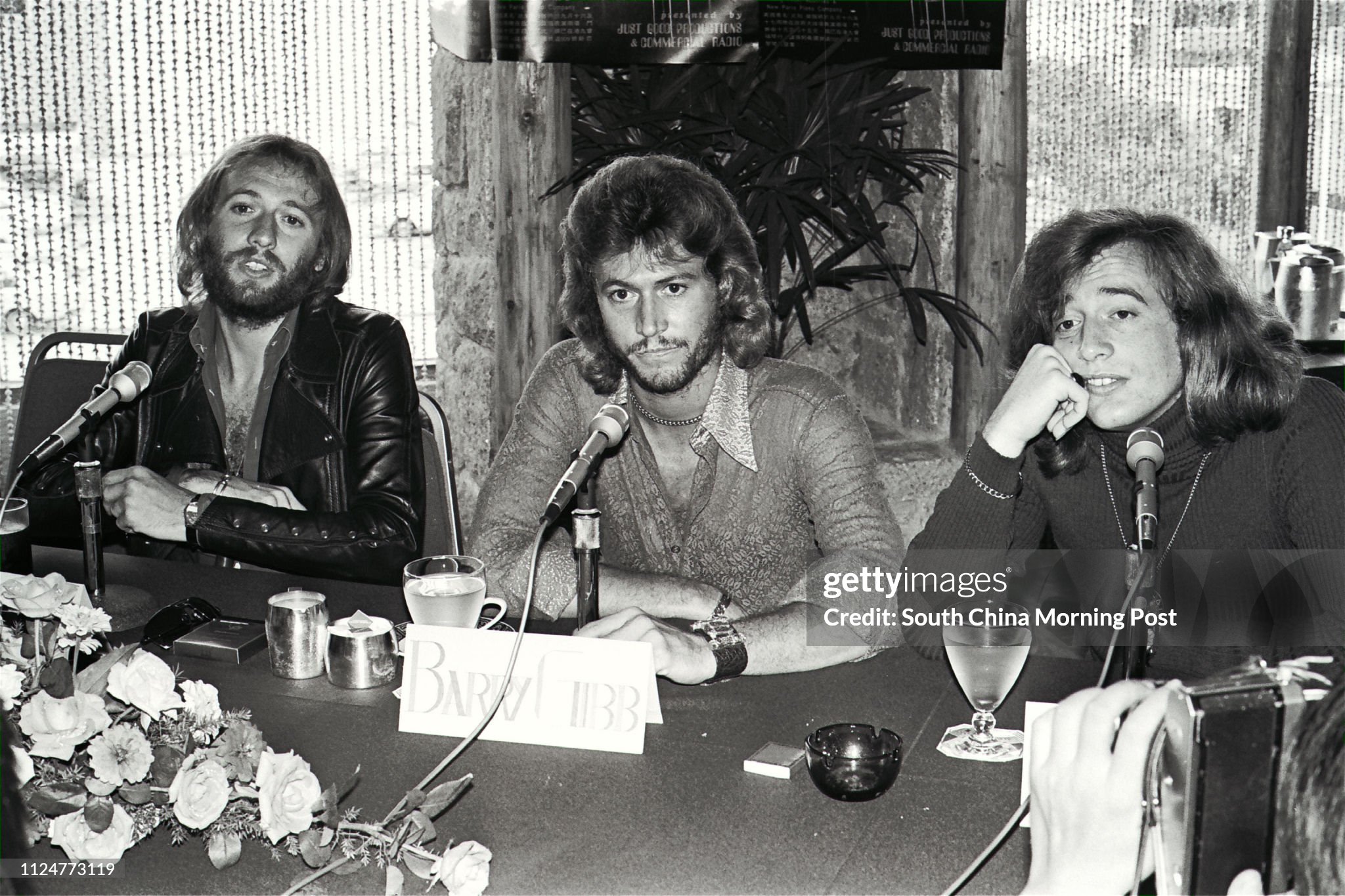
“You Win Again” is the weary romance of two people who can’t stop competing—a love story where surrender feels like the only honest kind of victory.
The moment Bee Gees released “You Win Again” on September 7, 1987, it felt less like a new single and more like a familiar voice returning from a long distance—older, sharper, and somehow more human for the miles it had traveled. In the UK, the comeback was written in hard numbers: the record entered the Official Singles Chart at No. 87 on September 19, 1987, then climbed all the way to No. 1, staying there four weeks. That ascent mattered historically, too: it became their first UK No. 1 in over eight years, and it made the Bee Gees the first group to score a UK No. 1 hit in three different decades—the 1960s, 1970s, and 1980s.
Yet there’s a bittersweet twist that only makes the song more poignant: while Europe embraced it loudly, the United States barely let it in. It peaked at No. 75 on the Billboard Hot 100, a modest showing that many commentators link to American radio’s lingering discomfort with the Bee Gees’ disco-era associations. This contrast—adored in one place, restrained in another—suits the song’s emotional core. Because “You Win Again” isn’t about easy triumph. It’s about the exhausting kind of closeness where nobody truly “wins,” and yet nobody can bear to walk away.
As a record, it also marked a fresh chapter in their catalog: “You Win Again” was the lead single from E.S.P. (1987), their seventeenth studio album and their first major statement after years of changing fashions. The writing credit is the classic signature—Barry Gibb, Robin Gibb, and Maurice Gibb—and the production team reads like a reunion of craft and instinct: the brothers with Arif Mardin (a key figure in their mid-’70s reinvention) and Brian Tench.
The story behind the sound is one of those studio myths that feels true because it sounds true. According to the band’s own recollections, Maurice built that unforgettable opening—what fans affectionately call the “stomp” or the “jabba-doomba” signature—in his garage, layering drum-machine textures and percussive thuds until the track had a heartbeat you could recognize in a second. They were even urged to soften or remove those stomps, but Maurice insisted—because that blunt, tribal pulse wasn’t just decoration; it was identity. And there’s another small, telling detail: in interviews retold later, the group described keeping a book of titles and simply choosing one—“You Win Again”—before fully knowing what kind of song it would become. That’s the Bee Gees magic in miniature: a phrase, a feeling, a groove… and then suddenly a record that sounds inevitable.
What gives “You Win Again” its lasting emotional bite is how adult the lyric is. It doesn’t sell romance as rescue. It paints love as a contest of wills, a relationship where time keeps running out while the couple keeps keeping score—“so little time,” yet “we do nothing but compete.” That’s not teenage heartbreak; it’s the bruising truth of long attachment, when pride becomes a habit and habit becomes a trap. In that light, the chorus is almost a confession whispered through clenched teeth: I hate this pattern… and I can’t stop coming back to it.
Musically, the song is a balancing act between polish and grit. The production is sleek—mid-’80s clarity, digital edges, tight control—yet the vocal blend is unmistakably theirs: that ache-and-harmony tension, where sweetness never fully cancels the sadness. It’s a record that moves forward without pretending the past didn’t happen. And perhaps that’s why it landed so hard in the UK: it sounded like artists who had survived the rise, the backlash, the silence—and returned not with a plea, but with a statement.
Even the industry recognition reflected that songwriting strength: accounts of the song’s reception note it helped the Gibb brothers earn the Ivor Novello Award for Best Song Musically and Lyrically—a reminder that, beneath every trend cycle, the Bee Gees were always writers first.
In the end, “You Win Again” doesn’t feel like a victory lap. It feels like a late-night reckoning—two people circling the same argument, unable to stop, unwilling to quit, half in love and half at war. And maybe that’s why the song still holds up: it understands that some relationships don’t end with a goodbye. They end with a pattern. A refrain. A familiar stomp at the start… and the quiet, reluctant admission that even when you know the outcome, you still step back into the ring.