
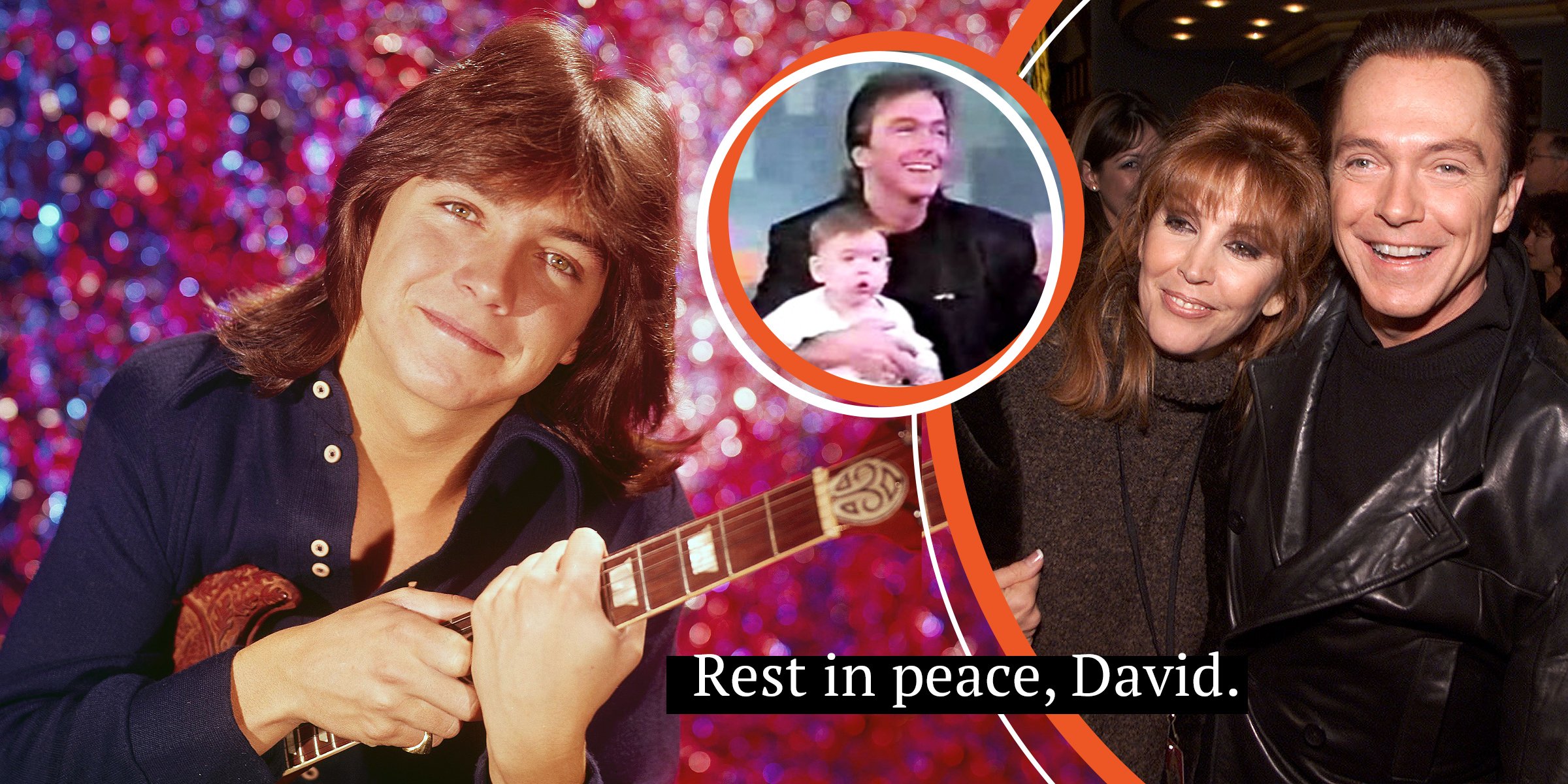
A soft-hearted doubt turned into a vow, “How Can I Be Sure” lets David Cassidy sound brave enough to ask the hardest question—when love feels real, but certainty still trembles.
In 1972, at the height of a fame that could feel as loud as it was sudden, David Cassidy chose a song built not on swagger, but on vulnerability: “How Can I Be Sure.” Released as a single (with “Ricky’s Tune” on the B-side), it became one of those records that didn’t need to shout to be heard—because the question at its center is the kind that follows people home. In the United States, Cassidy’s version rose to #25 on the Billboard Hot 100. In the UK, it went all the way to #1 on the Official Singles Chart, holding the top spot for two weeks—a remarkable moment where a tender, searching ballad outshone the era’s brighter, brasher competition. (The record also crossed into the U.S. adult market strongly, peaking at #3 on Billboard’s Easy Listening/Adult Contemporary chart.)
Cassidy recorded the song for his second solo album, Rock Me Baby, produced by Wes Farrell and released in 1972. But the emotional story begins earlier—back in 1967, when the original Young Rascals recording (written by Felix Cavaliere and Eddie Brigati) climbed to #4 on the Billboard Hot 100. Their version carries that late-60s mix of soul, pop, and sincerity—the sound of an era that still believed feelings could change your life overnight. Cassidy didn’t pick the song by accident. He had deep affection for the Rascals, and later spoke about how much their music had meant to him as a teenager—how recording this particular song felt like being pulled back into those formative memories.
That’s the quiet magic of Cassidy’s “How Can I Be Sure”: it’s a cover, yes, but it doesn’t feel secondhand. It feels like a private thought finally set to melody. Where the Rascals’ take has a buoyant, sunlit lift, Cassidy’s version often reads as more personal—less a public declaration and more a confession said softly, as if the room might echo it back.
And what a confession it is. Most love songs promise certainty. This one admits it doesn’t have any—at least, not yet. The lyric doesn’t ask, Will you be mine? It asks something far more revealing: How do I trust my own heart when it’s this exposed? The question is tender, almost childlike, but the ache beneath it is grown-up: the fear that love can be true and still not be safe; that wanting can be genuine and still not guarantee staying.
That theme—doubt as devotion’s shadow—is why the song endures. “How Can I Be Sure” isn’t about mistrust as accusation. It’s about mistrust as self-protection. Cassidy sings like someone who wants to believe, who’s leaning toward the light, but who has learned (maybe too early) that feelings can be overwhelming and still fragile. The title line becomes a kind of heartbeat: not dramatic, not theatrical—just human.
There’s also something poignant about the timing. In 1972, Cassidy was already navigating the strange split between image and inner life: adored, watched, amplified. Choosing a song like this—one that centers uncertainty rather than triumph—feels like a small act of honesty. And perhaps that’s why it traveled so far, especially in the UK where it reached #1: people recognize sincerity when it arrives without armor.
In the end, David Cassidy’s “How Can I Be Sure” is not simply a hit record from 1972. It’s a mood preserved—an old question that never really ages. Because even when love is real, even when the heart is full, there are nights when the bravest thing a person can do is admit the truth out loud:
How can I be sure?