
“It’s All in Your Mind” is a gentle Partridge Family spell: a reminder that fear can feel like fate—yet sometimes it’s only a shadow the heart keeps rehearsing.
“It’s All in Your Mind” sits in a very specific, quietly powerful place in The Partridge Family songbook: it’s track 6 on Side One of the album Shopping Bag (released March 1972), running a brisk 2:21, and written by Johnny Cymbal and Peggy Clinger. That matters because the Partridge catalog is often remembered through its big, bright radio moments—but the deeper emotional truth of the project often lives in these album cuts, where the camera glare softens and the voice feels closer.
It also matters that Shopping Bag was a genuine commercial success for the franchise: the album reached No. 18 on the Billboard album chart. Yet “It’s All in Your Mind” wasn’t pushed as a U.S. single, so it has no standalone chart peak to “rank” like the hits did. Instead, its “position” is more intimate: it’s one of those songs you stumble upon mid-album and suddenly realize you’ve been listening for something like it all along.
Behind the scenes, the song has a small twist of fate that fits its theme. It was recorded on December 16, 1971—months before the album’s release—during the same session that produced “Something New Got Old” and “There’ll Come a Time.” Even the recording date feels like part of the Partridge magic trick: a moment captured in late 1971, sealed in vinyl, then delivered into living rooms the next spring like a message you didn’t know you needed. And as with much of the Partridge music machine, the album is associated with United Western Recorders, that famous Los Angeles studio geography where so much West Coast pop polish was forged.
But the real story behind “It’s All in Your Mind” is the way it plays with the oldest human battleground: the space between what we feel and what is actually happening. The title sounds almost scolding at first—like someone telling you to “snap out of it.” Yet the song’s emotional effect is softer than that. It doesn’t mock anxiety; it names it. It suggests how the mind can build a whole weather system out of doubt, how it can replay small worries until they begin to look like prophecy. In the Partridge universe—so often pastel, smiling, reassuring—this is a surprisingly grown-up idea: the acknowledgment that the biggest struggles aren’t always out in the world; sometimes they’re right there behind the eyes, tightening and loosening with every thought.
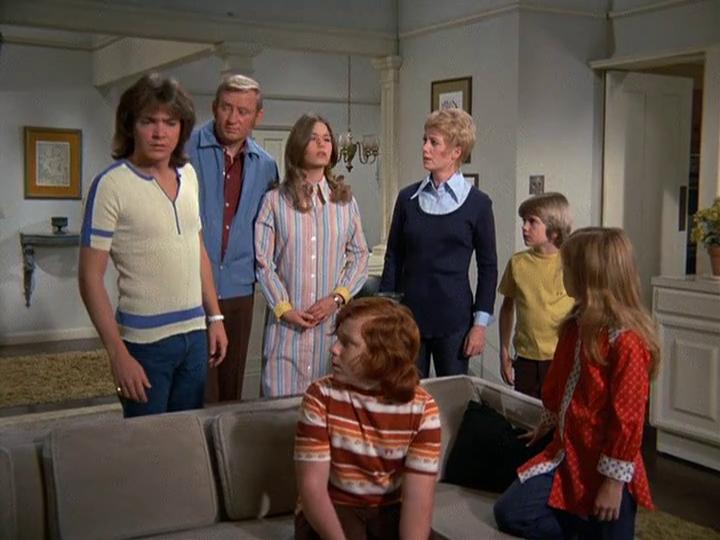
That psychological theme is one reason the song worked so well on television, too. It was featured in the episode “Each Dawn I Diet” (1972), where it’s used in a way that fits the premise—Keith begins playing it at a piano, later the family performs it at a nightclub. The notion that a “diet” (or any attempt to change yourself) can become a mental trap—self-talk turning into self-punishment—makes the song’s title feel less like a slogan and more like a compassionate diagnosis.
Musically, “It’s All in Your Mind” carries the Partridge signature: bright, tight, professionally arranged pop that never lingers too long, as if it understands the attention span of both radio and television. But there’s a particular poignancy in how that sunny surface cradles a song about inner turbulence. That contrast is the secret ingredient of many Partridge deep cuts: they sound like comfort food, yet they’re often quietly describing the ache that made comfort necessary in the first place.
In the end, “It’s All in Your Mind” isn’t trying to be the biggest song on Shopping Bag—it’s trying to be the most useful. The kind you return to when you’re tired of your own thoughts, when you’ve talked yourself into a corner, when the world hasn’t even done anything especially cruel—yet your mind insists on rehearsing a heartbreak anyway. And in that moment, this small 2:21 track does what the best pop music can do: it doesn’t fix you. It simply sits with you, reminds you that the mind can lie in a convincing voice… and that you’re allowed, gently, to question it.