
A lively shout about money that secretly reveals a heart that would rather give than keep
On the surface, “Money Money” by The Partridge Family sounds like nothing more than a bright, bouncy celebration of good times. But if you listen with the ears of someone who has lived through a few seasons, you can hear something gentler beneath the beat: the story of a young heart that doesn’t have much in its pockets, yet is still eager to share what little it has with someone it loves.
The song opens the 1973 album Bulletin Board, the final studio album released under the The Partridge Family name. It was recorded in the summer of 1973, with sessions beginning on July 25, and came out that October. Bulletin Board holds an interesting place in their history: it was the first of their albums not to appear on the Billboard Top LPs chart at all, a quiet sign that the frenzy surrounding the TV family was waning and that the world was already turning toward new musical fashions. As a single, “Money Money” shared a 45 with “Lookin’ For A Good Time” in late 1973, but the record failed to chart. It ended up being their last regular U.S. single—one more small chapter closing without fanfare.
Behind the scenes, “Money Money” was the work of the same seasoned writing team that had given the group many of its more mature moments: Wes Farrell, Danny Janssen, and Bobby Hart. On Bulletin Board, they pushed the sound a little harder, and this track shows it. Critics later described “Money Money” as one of the album’s more dynamic rock-leaning cuts, a bit rougher and more energetic than the earlier bubble-gum pop of “I Think I Love You.” There’s a stronger rhythm section, punchy guitars, and a sense of forward motion that feels like a band trying to stretch its legs after years of living inside a TV frame.
Yet for all that drive, the heart of the song is very simple. The narrator admits, in his own boyish way, that he doesn’t have much cash. There’s no boasting about fancy cars or grand possessions. Instead, he offers the one thing he can truly afford to give: himself. If he had money, he’d spend it freely on the person he loves; since he doesn’t, they can have what he does have—his time, his attention, his loyalty. The idea is playful, but for a listener with a little mileage, it rings with a deeper truth: the richest moments in life rarely come from what money can buy.
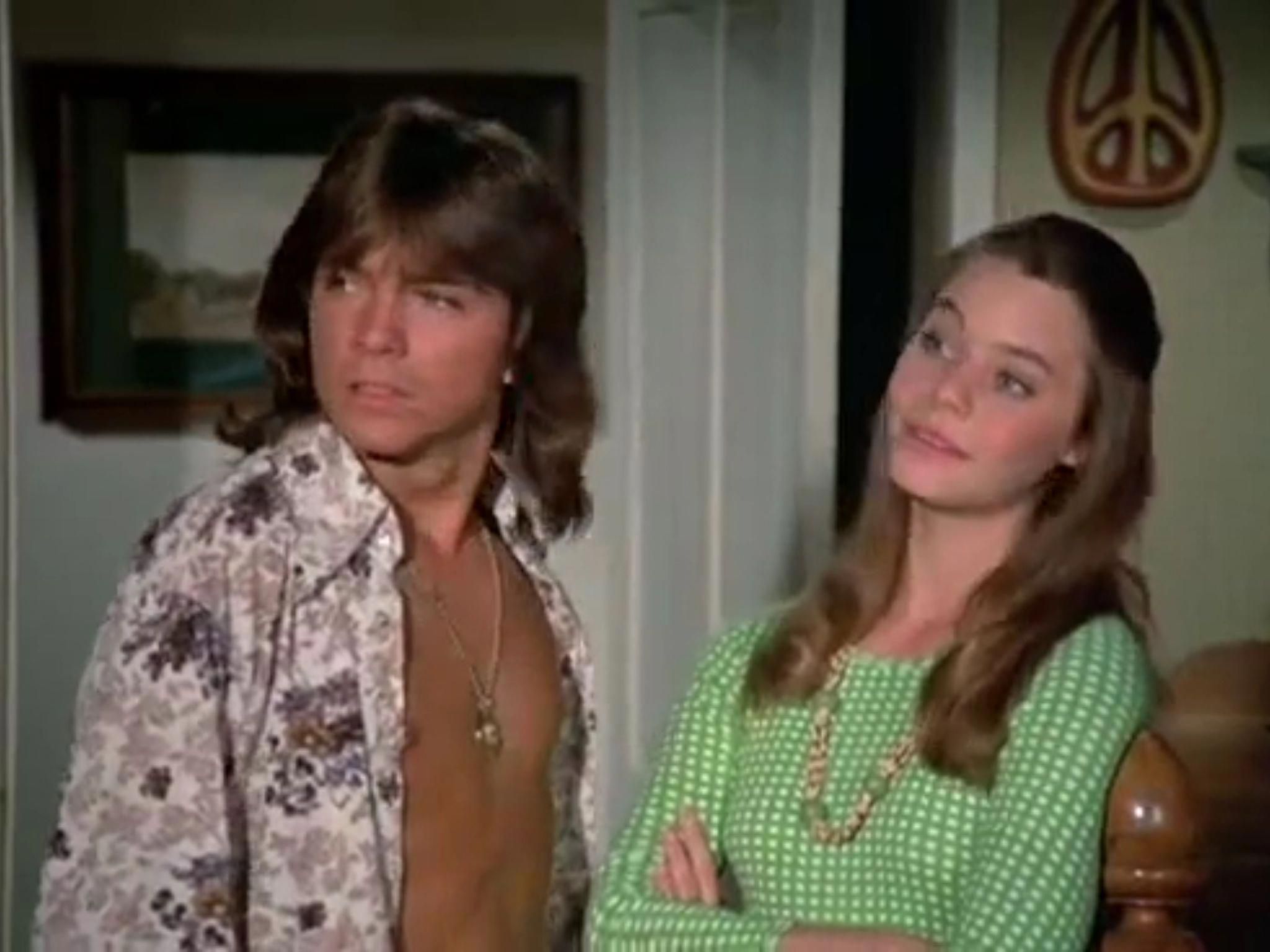
The track also found its way into the final season of the television series. In the show’s episode list, “Money, Money” appears in a story where Danny pretends to be something he’s not in order to impress someone—a gentle comedy built on misunderstandings and appearances. It’s fitting that this song, with its cheerful confession of not having much but meaning well, should be paired with a plot about the difference between who we are and how we look from the outside. Beneath the jokes and laugh track, both episode and song quietly point to the same idea: appearances can be flimsy; what counts is what lives underneath.
Musically, “Money Money” is brisk, bright, and full of that unmistakable early-’70s studio glow. The arrangement leaves room for David Cassidy’s lead vocal to dance on top of the track. He doesn’t sound like a polished crooner here so much as a young man with a grin in his voice, leaning into the rhythm with easy confidence. Around him, the band—those veteran Los Angeles session players who quietly anchored so many hits of the era—keep everything tight and propulsive. It’s the sound of a well-oiled machine, captured at a time when the machinery might have been tiring commercially, but was still firing creatively.
For listeners who come back to it now, the song can stir memories of a very particular time: when money really was scarce in many households, but music, television, and simple pleasures stitched families together at the end of the day. Perhaps it recalls evenings when the TV show flickered in the corner, the brightly painted bus rolled across the screen, and songs like this washed over you without your even realizing how closely they echoed your own life—juggling hopes and bills, making do, finding joy in small things.
In a way, “Money Money” feels like a snapshot of youth taken on the threshold of adulthood. The lyrics still carry the optimism and impulsive generosity of a teenager; the music, though, hints at a band growing a little tougher, a little more aware of the real world. There’s a subtle tension between the carefree chorus and the fact that the singer knows he doesn’t have what the world counts as success. Many people, looking back now, will recognize that feeling—the early years when your wallet was light but your heart felt full, when you made promises with nothing but hope and goodwill behind them.
Within the modest, often overlooked Bulletin Board, “Money Money” stands as a lively first step into that more grounded territory. It doesn’t preach, and it doesn’t pretend to offer big answers. Instead, it smiles, shrugs, and says: I may not have much to spend—but what I do have, I’d gladly share with you.
And perhaps that is why, long after its brief moment on a forgotten single, the song still resonates. It reminds us of a younger version of ourselves—counting coins, dreaming big, and believing that love, time, laughter, and a willing heart might just be worth more than all the money in the world.