
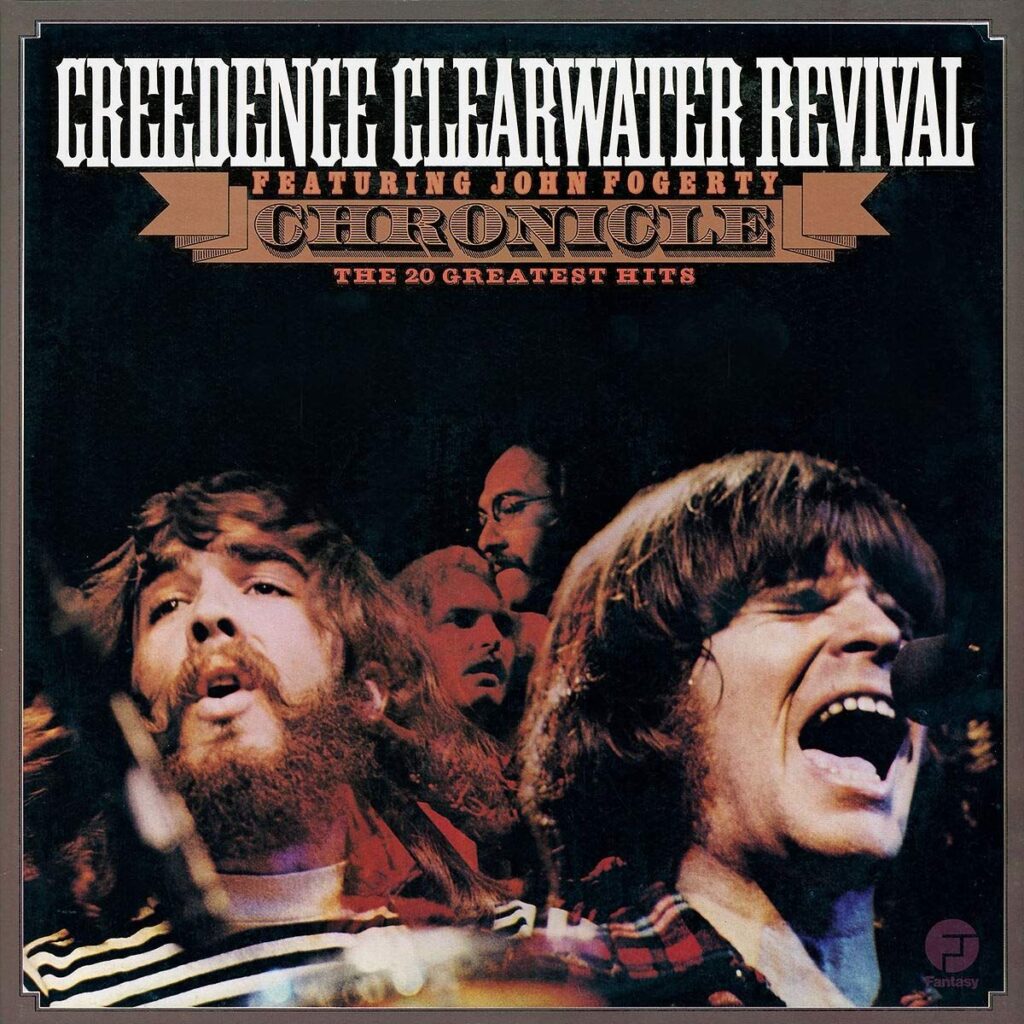
On “Hey Tonight (Live In Europe / September 4-28th, 1971),” Creedence Clearwater Revival make celebration sound like defiance—fast, bright, and alive, yet already shadowed by the feeling that the party cannot last forever.
There is something almost startling about hearing “Hey Tonight” in this live European setting. On paper, it is one of Creedence Clearwater Revival’s leanest, happiest little rockers—a quick burst of motion, confidence, and electricity. The original studio version was released in January 1971 as the flip side of “Have You Ever Seen the Rain” from Pendulum, and the single reached No. 8 on the Billboard Hot 100. That alone places the song inside a remarkable stretch of Creedence success, when they could turn even a compact, no-nonsense tune into a major chart event. But the live recording commonly labeled “Live In Europe / September 4-28th, 1971” changes the emotional light around it. It comes from the band’s September 1971 European tour, later issued on the album Live in Europe in October 1973, and by then the group was no longer the same machine that had conquered the turn of the decade. Tom Fogerty had already left, leaving CCR as a trio. Suddenly, a song that once sounded like pure movement begins to feel like movement against time.
That is the great thrill of this performance. “Hey Tonight” still rushes forward with that unmistakable Creedence economy—no wasted gesture, no decorative excess, no attempt to make the song grander than it is. John Fogerty drives it hard, because he understood better than almost anyone that a short rock song can hit with the force of something much larger when it is played with conviction. In the studio, the song already had that urgent, open-road snap. Live, it feels even more direct. The European recording preserves the song’s brevity—about 2 and a half minutes on the official live release—but inside that small frame the band sounds hungry, focused, and almost impatient to get the truth of the song across.
And yet what makes this live version memorable is not just speed or power. It is context. Live in Europe documents CCR’s 1971 Pendulum tour, recorded between September 4 and 28, 1971, and heard now, it carries the uneasy energy of a band still capable of delivering the goods while already standing close to the edge of its own ending. The album was released only later, in 1973, and notably over John Fogerty’s objections, after his bitter struggles with Fantasy Records. That backstory matters because it places this performance inside one of the most emotionally complicated periods in Creedence history. What the crowd hears as exhilaration, we now hear with hindsight as tension sharpened into professionalism. The song says “hey tonight,” but history whispers, “not for much longer.”
That tension is part of why the performance feels bigger with every listen. “Hey Tonight” has always been a modest song in length, but never in effect. It is built on a simple rock-and-roll promise: tonight matters, tonight is for motion, tonight is for the spark that keeps the darkness back a little longer. In a live setting, that promise becomes communal. The band is not merely performing a hit; they are creating a fleeting alliance with the room. And because this is CCR, the sound never becomes glamorous in the polished, arena-rock sense. It stays earthy, clipped, working-class, almost stubbornly efficient. That is one of the enduring beauties of Creedence. Even at their hottest, they did not sound luxurious. They sounded necessary.
The original song itself already sat at an important crossroads. Released in early 1971, “Hey Tonight” was part of the final single issued while Tom Fogerty was still in the band, and it appeared on Pendulum, the last CCR album recorded by the classic four-man lineup. That fact gives the song a poignancy one might miss on a first hearing. What sounds like a carefree burst of rock energy actually belongs to the closing chapter of the full original group. By the time of the European live recording later that year, the brotherly split had already happened, and the chemistry of Creedence had changed forever. The live version therefore does not simply revisit the song. It reframes it. The brightness remains, but it shines through strain.
There is also something deeply appealing about how unpretentious the performance remains. Some bands, when caught in crisis, overcompensate. They play harder, louder, or with theatrical desperation. Creedence Clearwater Revival do not do that here. They just play. That restraint gives the song its authority. The groove is brisk, the guitar attack clean and cutting, the vocal urgent without melodrama. The band does not ask the listener to admire their troubles. They simply convert pressure into momentum. That is a rarer gift than it looks. Many groups can document a breakdown; far fewer can make a live performance from that period feel this alive.
So “Hey Tonight (Live In Europe / September 4-28th, 1971)” endures for more than nostalgia. It catches CCR in one of those fleeting moments rock history treasures: when a great band is still delivering with total conviction even as the seams are beginning to show. The song remains what it always was—a rush of rhythm, release, and rock-and-roll clarity—but the live setting adds a second story beneath the first. It becomes not just a celebration of the night, but a defense of it. A reminder that joy, especially in music, is often most powerful when it arrives under pressure. And that is why this live “Hey Tonight” still feels so vivid. It is short, sharp, and full of life—but behind that life is the unmistakable sound of a band playing as though the moment must be seized before it slips away.