
Longing for What’s Lost: A Cowboy’s Heart Divided Between Love and the Open Road
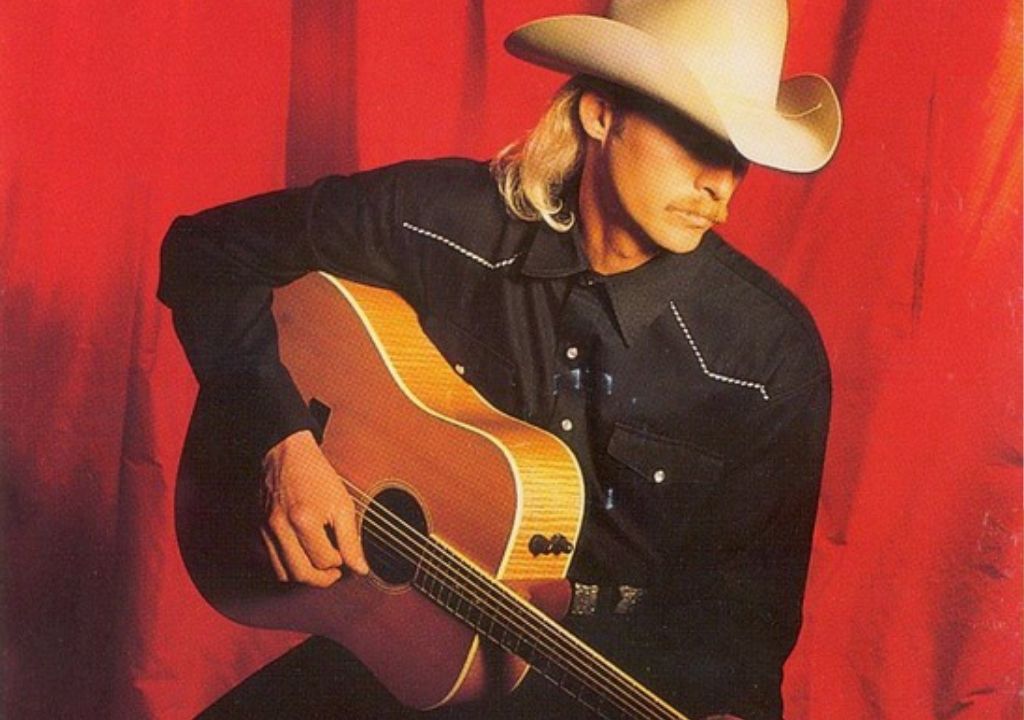
When Alan Jackson released “Dallas” as the third single from his 1991 album Don’t Rock the Jukebox, the song quickly affirmed his reputation as one of country music’s most gifted traditionalists. It reached No. 1 on the Billboard Hot Country Singles & Tracks chart in early 1992, marking another triumph in a string of hits that defined Jackson’s early career. The track, written solely by Jackson himself, stood out amid a landscape increasingly drawn toward pop-country blends—it was pure honky-tonk melancholy, anchored by steel guitar sighs and a voice that carried both wistfulness and quiet conviction.
At first listen, “Dallas” may sound like a simple wordplay—a man lamenting that his lover has gone back to Dallas, and he wishes Dallas were in Tennessee so she’d still be near him. But beneath that clever twist lies a deeper portrait of distance, choice, and identity—hallmarks of Jackson’s songwriting ethos. In this piece, the city becomes more than a place; it becomes a symbol for everything unattainable in love. The narrator doesn’t rail against betrayal or heartbreak; instead, he gazes across an invisible horizon where emotional geography feels as vast and untamed as the Texas plains themselves.
The story behind “Dallas” mirrors the authenticity that has always defined Jackson’s work. He conceived the idea while performing in Texas—a state whose musical legacy he deeply admired—and was struck by how the name “Dallas” could embody both a woman and a longing. From that spark came one of his most poetic statements on the intersection between personal yearning and geographical belonging. In Jackson’s world, places carry emotional gravity: they’re not just coordinates but characters in his songs, capable of breaking hearts or healing them.
Musically, “Dallas” is steeped in the heritage of classic country craftsmanship. The gentle shuffle rhythm, twang-laden Telecaster licks, and mournful steel flourishes evoke echoes of Merle Haggard and George Jones, yet filtered through Jackson’s unmistakable clarity of tone. His vocal delivery—warm but edged with resignation—turns understatement into emotional power. It’s a performance that breathes space into silence; every pause feels like a held breath under a neon sign flickering somewhere on an empty highway.
Culturally, “Dallas” captures a moment when traditional country stood proudly against the encroachment of glossier trends. In its simplicity lies its strength: a reminder that longing is universal, that even the proudest wanderers sometimes wish they could fold distance into memory and bring what they’ve lost closer again. The song endures not merely because it charted well, but because it distills something timeless—the ache between love and freedom, between where we are and where our hearts wish to return.