
Redemption in the Glow of Love Lost and Found
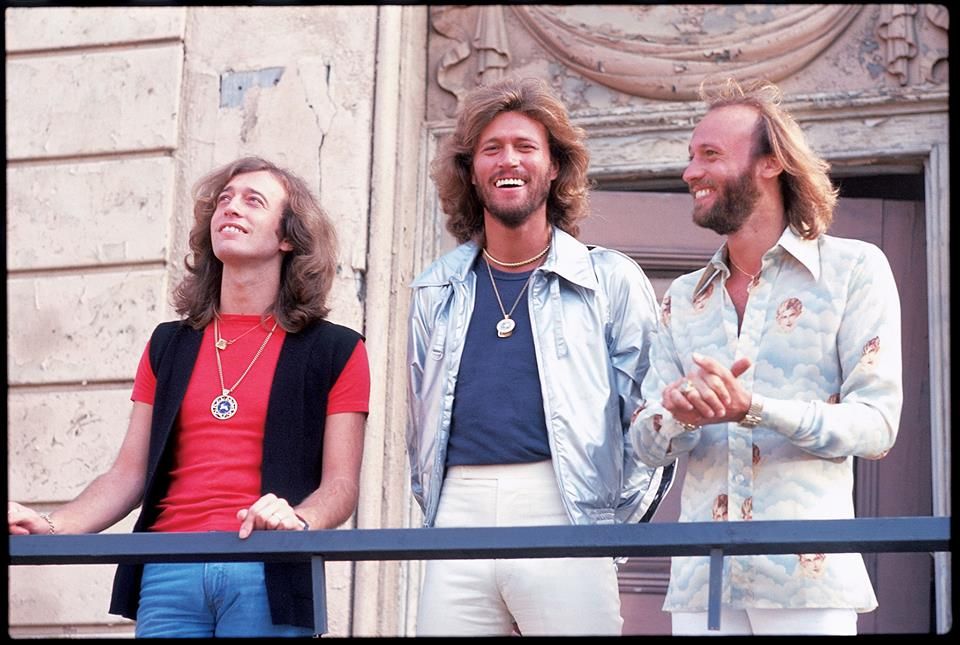
When “Kiss of Life” emerged from the 1993 album Size Isn’t Everything, it carried the weight of decades—both musically and emotionally—for the Bee Gees. By this point, Barry, Robin, and Maurice Gibb were veterans of pop’s evolutionary cycles, artists who had defined multiple eras yet continued to push forward into new sonic territories. Though the single did not ascend to the commercial heights of their earlier triumphs, it remains a hauntingly elegant testament to the Bee Gees’ later-period artistry—a shimmering, soulful meditation on the power of love’s revival, sung by men who understood both its ecstasy and its fragility.
In its production and sentiment, “Kiss of Life” exemplifies the Bee Gees’ remarkable ability to merge emotional vulnerability with sophisticated craftsmanship. The song unfolds with a sleek early-’90s sheen—layered harmonies, fluid synth textures, and that unmistakable falsetto timbre that had long since become an emotional instrument unto itself. Yet beneath the polished surface lies something intimate and human: a yearning for renewal after darkness, a whispered prayer for connection that transcends time’s weary passing.
To understand “Kiss of Life”, one must place it within the arc of the Bee Gees’ evolution. After weathering shifting musical fashions—from their baroque pop origins to disco domination to post-disco reinvention—the brothers in 1993 were not chasing trends but refining their legacy. Size Isn’t Everything arrived at a moment when popular music was splintering into grunge introspection and dance-floor futurism, yet the Bee Gees carved out space for sincerity. They leaned into melody as salvation, constructing songs that functioned like confessions disguised as pop craftsmanship. Within that framework, “Kiss of Life” feels like both a statement of endurance and a personal reckoning—a spiritual epilogue to decades spent translating emotion into harmony.
Lyrically, the song dwells in that liminal space between despair and deliverance. The imagery evokes rebirth through love: the idea that one tender touch, one act of faith, can restore what was thought beyond repair. There is nothing naïve about this vision; rather, it is shaded with the understanding that redemption costs something—that love’s restorative power derives from vulnerability accepted, not avoided. Barry Gibb’s vocal delivery carries this duality beautifully: his tone balances ache with hope, intimacy with grandeur. It is as if he sings from within memory itself—half plea, half benediction.
Musically, “Kiss of Life” is constructed with architectural precision: dynamic shifts between quiet reflection and soaring affirmation mirror the emotional trajectory embedded in its title. The brothers weave vocal lines that seem almost liturgical in their reverence for harmony’s healing potential. Each note feels deliberate yet spontaneous, like light refracted through stained glass—familiar colors rendered newly sacred by time’s passage.
Ultimately, “Kiss of Life” stands as one of those later-career Bee Gees works where maturity deepens expression rather than diluting it. It reminds us that even after fame fades and decades accumulate, certain artists retain an unbroken line to the emotional core that first defined them. The song breathes with gratitude—for survival, for love restored—and offers its listener not nostalgia but renewal. In it lies the sound of three brothers still believing in the alchemy of song: that music itself can be a kiss of life to those who need reminding that beauty endures.