
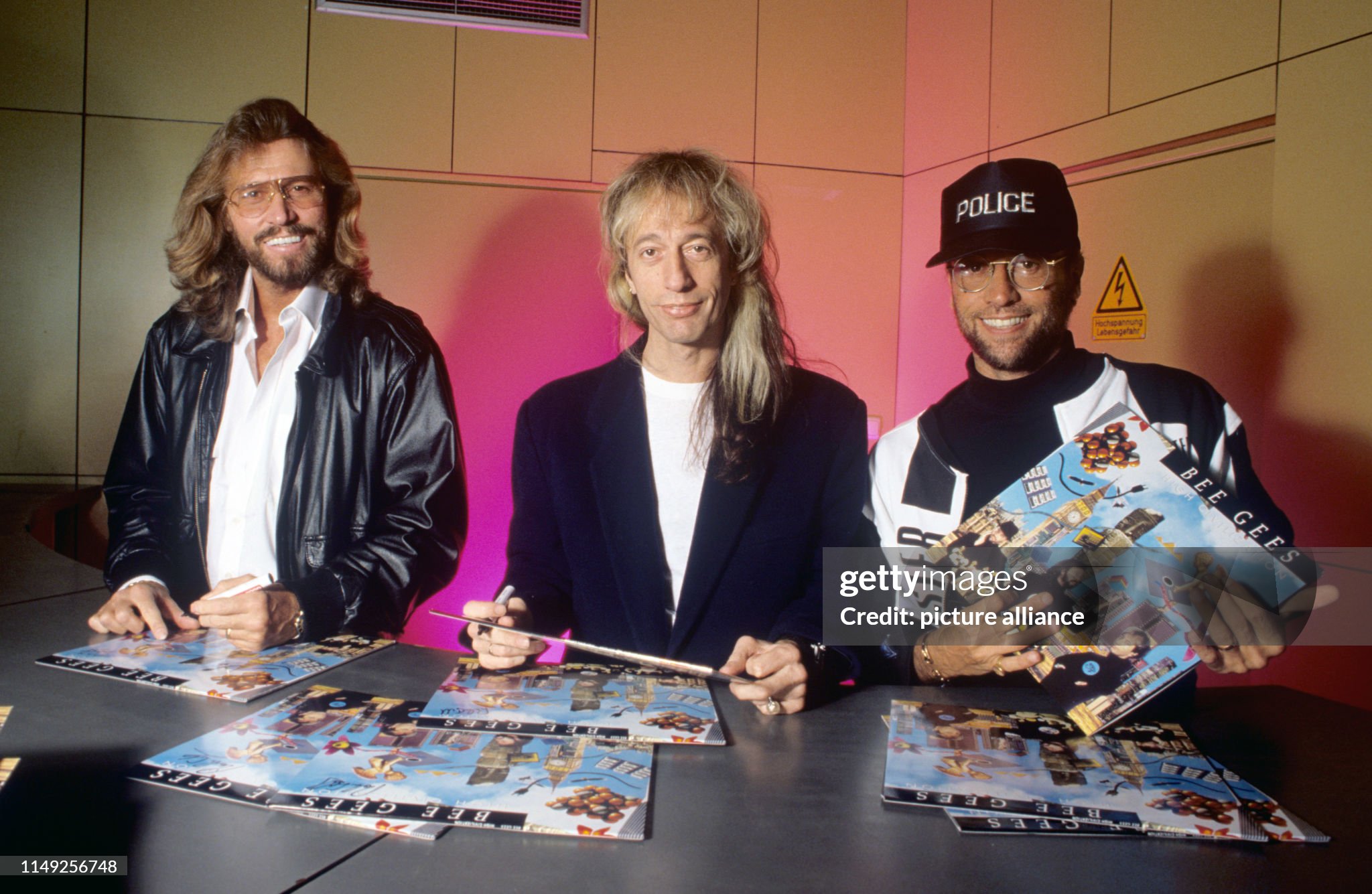
“Such a Shame” is the Bee Gees caught in a rare moment of self-portraiture—an early crack in the beautiful façade, where the song quietly admits that something precious is starting to come apart.
Among the late-1960s Bee Gees recordings, “Such a Shame” stands out like a handwritten note slipped between polished pages. Not because it was a hit single (it wasn’t), but because it is one of the most revealing “inside the room” tracks they ever released. The song appears on the UK edition of the 1968 album Idea—the Bee Gees’ third international album, released in August 1968—and, remarkably, it is the only track on any Bee Gees studio album not written by a Gibb brother.
That single fact already changes how you hear it. “Such a Shame” was written by—and features lead vocal from—lead guitarist Vince Melouney, with Maurice Gibb also credited on lead vocals in session documentation and band histories. It’s not Barry, Robin, or Maurice stepping forward with their usual masterful command of harmony-pop drama; it’s the other voice in the band telling a truth from the side of the stage.
As for “ranking at release,” “Such a Shame” did not have a chart debut as a single. Its public footprint is best understood through the album that carried it: Idea reached No. 4 on the UK Albums Chart and No. 17 on the US Billboard 200, with strong showings elsewhere (including No. 8 in Australia and No. 4 in France, among other territories). Yet the song’s own “chart story” is almost the opposite of its emotional urgency: it was removed from the North American ATCO LP, replaced by “I’ve Gotta Get a Message to You.” In other words, “Such a Shame” is historically significant precisely because it’s easy to miss—a song that survived most clearly where the UK album sequence preserved it.
The backstory is where the title stops being just a phrase and becomes a wound. In the documented background for Idea, the Bee Gees themselves spoke openly about friction and egos in the group around this period. And Melouney later admitted that “Such a Shame” was written as a response to that atmosphere—“about how it was a shame that the group was disintegrating.” That is an extraordinary thing for a band to carry onto an album: not a metaphor about storms or shipwrecks, but a plain, weary acknowledgement that the human machinery behind the music is grinding uncomfortably.
Musically, the track also feels like a window into the Bee Gees as a working band, not only a harmony act with ornate arrangements. Contemporary critical notes on the album have highlighted how songs like “Kitty Can,” “Indian Gin and Whisky Dry,” and “Such a Shame” can sound like the output of a cohesive band in a room—direct, earthy, less theatrical than some of the album’s grander statements. And that “band-in-a-room” feeling matters, because it matches the lyric’s emotional posture: not a spotlight confession, but the kind of truth you say when you’re tired of pretending everything is fine.
The meaning of “Such a Shame” lives in that tiredness. It’s the sadness of watching something you love start to crack—friendship, brotherhood, a shared dream—and realizing that talent alone cannot glue it back together. It’s the particular heartbreak of knowing the magic is real while also sensing it may not be sustainable. In the Bee Gees’ story, this song becomes a quiet foreshadowing: Vince Melouney would leave the group after their late-1968 European tour, making Idea the last Bee Gees album released while he was still a member.
So when you play “Such a Shame” today, you’re hearing more than a rare credit line in the discography. You’re hearing the Bee Gees at a crossroads—famous enough to be under pressure, young enough to feel every bruise, and human enough to let one of their own write a song about the fear that the whole thing might slip away. It doesn’t shout. It doesn’t grandstand. It simply tells you, in the softest possible voice, that sometimes the saddest words in music are the plainest ones:
Such a shame.