
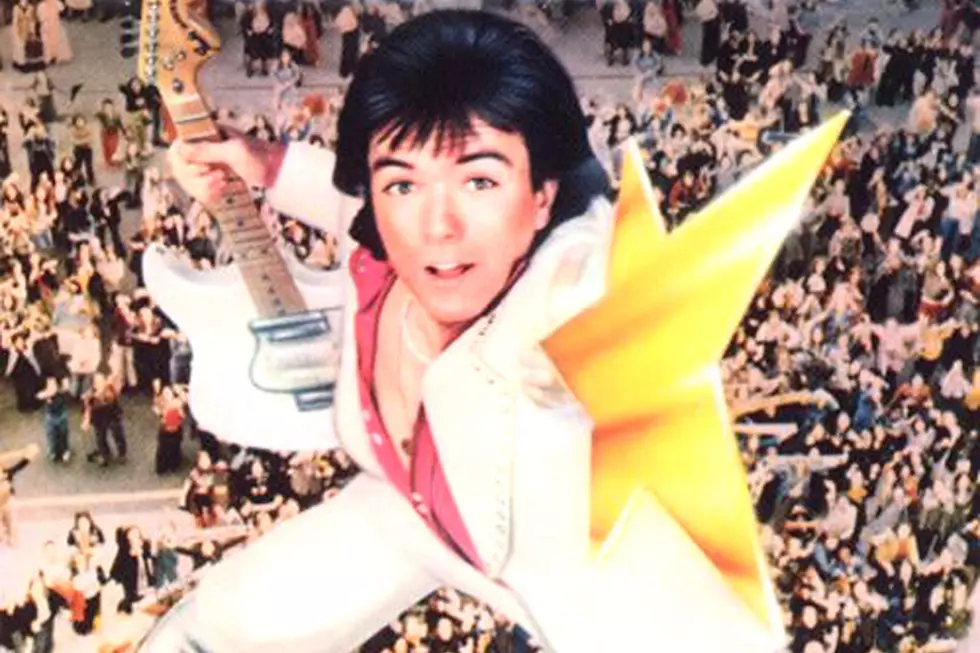
“Goodbye Blues” is a farewell you can dance to—a bittersweet lift where the body keeps moving, even as the heart quietly lets go.
“Goodbye Blues” sits deep in a very particular chapter of David Cassidy’s story: it’s Track 9 on his album Home Is Where the Heart Is, released by RCA in March 1976 and recorded at Caribou Ranch (Nederland, Colorado). The song was written by Ronnie S. Wilkins—not a Cassidy original—yet Cassidy treats it like a confession he’s been carrying around in his pocket for years. And while the album was critically well received, it’s also one of those quietly painful facts of his mid-’70s output: it did not chart in any country, so there’s no “debut position” or peak number to point to—just the music itself, waiting for listeners who find it later.
That context matters because Home Is Where the Heart Is was, in many ways, Cassidy trying to be heard as a musician rather than a memory. The record was co-produced by David Cassidy and Bruce Johnston (yes, the Beach Boys’ Bruce Johnston), and the sessions drew in a remarkable community of players and singers—names like Jim Keltner on drums and Leland Sklar on bass, plus guest vocals including Carl Wilson and Gerry Beckley (who also co-wrote on the album). It’s the sound of a man stepping out of the TV glare into a studio full of craftspeople, trying to build a more adult kind of pop—one that could hold tenderness and uncertainty without blinking.
So where does “Goodbye Blues” fit inside that room?
Right at the edge where heartbreak turns rhythmic.
A British write-up from the period described the track as “very soulful” and even “disco, if you like,” noting that it was presented as an older song that hadn’t been done before in quite this way. That description still feels apt decades later: “Goodbye Blues” carries a subtle paradox—its title sounds like resignation, but the track’s spirit has movement in it, a rolling insistence, like someone trying to walk steadily while their chest caves in.
The words themselves sketch a classic blues situation—packing up, leaving, that familiar knot of pride and hurt. Yet the emotional trick is that Cassidy doesn’t wallow. He plays it cooler than you might expect, almost conversational, as if he’s already past the point of pleading and has arrived at the quieter, stranger stage: acceptance that still stings. The “blues” here aren’t a genre costume; they’re a mood—an atmosphere you can’t shake, even if you put on a good shirt and go out anyway.
And that’s why the song resonates inside Home Is Where the Heart Is, an album whose very title suggests comfort while many of its moments sound like someone searching for it. The record is remembered for other highlights too—especially Cassidy’s version of Paul and Linda McCartney’s “Tomorrow,” which the album’s documentation notes McCartney praised highly. But “Goodbye Blues” is a different kind of showcase: not the grand, “listen to my voice” moment, but the human one—the track that tells you what Cassidy could do when the song required character more than fireworks.
There’s also something quietly significant about who wrote it. Ronnie S. Wilkins belonged to a tradition of American songwriting that understood how to make plain language sting. Cassidy choosing a Wilkins song feels like an aesthetic decision: he wasn’t chasing teenage fantasy anymore; he was chasing grown-up ache, the kind that doesn’t need metaphors because it’s already lived in the body.
If you listen with that in mind, “Goodbye Blues” becomes less of a random album cut and more of a thesis statement. It’s Cassidy saying, softly: I know how to leave the room without slamming the door. I know how to smile through it. I know how to keep time even when I’m breaking.
And perhaps the most poignant part is the album’s fate. A later retrospective on the reissues noted that despite strong material, the album and its related singles made no chart impact—a reminder of how easily good work can slip past the spotlight when the narrative around an artist is louder than the art. That, too, echoes the song: sometimes you do the hard, honest thing—say goodbye, tell the truth, make the record you mean to make—and the world doesn’t applaud on schedule.
But songs aren’t always built for schedules. Some are built for rediscovery.
“Goodbye Blues” is one of those tracks that feels especially vivid late at night: the kind of tune you put on when you’re not trying to feel better so much as trying to feel accurately. It doesn’t promise healing. It offers recognition. And in that recognition—in the groove that keeps walking forward while the lyric waves farewell—you hear a small, dignified kind of survival.