
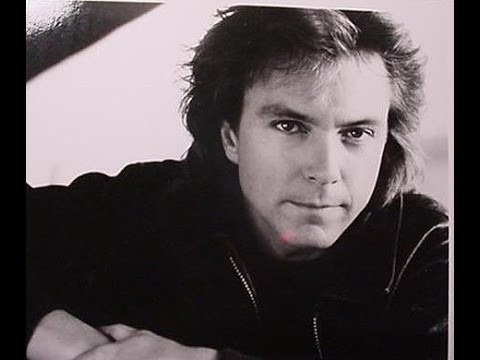
“Massacre At Park Bench” is not a “song” in the usual sense—it’s David Cassidy turning the spotlight back on the crowd, exposing how fame can chew up a human being and call it entertainment.
Here’s the factual frame first, because this track makes the most sense when you know where it sits. “Massacre At Park Bench (Dialogue)” appears on David Cassidy’s 1975 album The Higher They Climb (The Harder They Fall), his first RCA album and his fifth solo release, co-produced by Cassidy and Bruce Johnston (of The Beach Boys). The album was released in July 1975, and it charted notably in the UK, peaking at No. 22, while not becoming a major U.S. chart story in the way his early-’70s stardom once suggested. In the track list, “Massacre At Park Bench” is explicitly labeled “[Dialogue]”—a spoken-word interlude rather than a conventional vocal performance.
And that label—Dialogue—is everything.
Because “Massacre At Park Bench” feels like Cassidy walking out of the bright, polished theater of pop and into the harsh fluorescent hallway behind it. It’s a short piece (about 2:19 on the commonly listed releases) that functions like a scene: voices, commentary, a cold little narrative of how people talk when they believe the “star” is already on the way down. Not a melody to hum, but a mood to endure.
The album title itself—The Higher They Climb (The Harder They Fall)—already tells you the emotional weather Cassidy was willing to stand in. Wikipedia’s summary makes the implication plain: the title alludes to his earlier dominance of the pop charts as a teen idol and the later drop in his superstar status. So when “Massacre At Park Bench” arrives, it doesn’t feel random or “clever.” It feels like a bruise being pressed—deliberately—so the listener has to acknowledge it.
What’s the “story” here? It’s the story of celebrity as a spectator sport—how quickly a beloved face becomes a target once the cultural appetite shifts. In the piece, Cassidy essentially stages a miniature public execution: the casual voices that reduce a person to a punchline, the way strangers speak with confidence about someone else’s life as if they’ve earned the right. It’s uncomfortable by design. And it’s also, in a strange way, courageous—because it refuses the usual pop-star contract, the one that says you must always appear grateful, shiny, and unbothered.
That’s why many listeners describe it as self-indulgent, even while admitting it’s revealing. One reissue review pointed to “Massacre at Park Bench” as a spoken-word interlude that may test patience, yet it also argued that if you’ve ever wondered what Cassidy might sound like in a mid-’70s Laurel Canyon-adjacent mood—less teen idol, more reflective singer-songwriter—this album is the answer. In other words: the track can feel like a detour, but it’s a detour into truth.
There’s no meaningful “debut chart position” to report for “Massacre At Park Bench,” because it wasn’t built as a radio single. Its purpose is thematic—an interruption that explains the emotional stakes of the record around it. And that’s the deeper meaning: the “massacre” is not literal violence, but reputational violence—the slow, public stripping-away of dignity until the person is no longer seen as a person at all.
Listening now, decades after 1975, the track lands with an odd, sobering freshness. The costumes have changed—today it’s feeds and clips and comments instead of gossip traded on a park bench—but the impulse is the same: to turn another human life into a story we can consume without consequence. “Massacre At Park Bench” doesn’t ask you to pity David Cassidy. It asks you to notice the machinery. And once you notice it, it’s hard to unsee.
So if you press play expecting a forgotten pop number, you might be startled. But if you press play ready to hear David Cassidy speaking—quietly, sharply—about what it costs to be adored and then discarded, “Massacre At Park Bench” becomes something else entirely: a small, unsettling document of fame’s cruelty, and a reminder that the sweetest voices often carry the heaviest silences.