
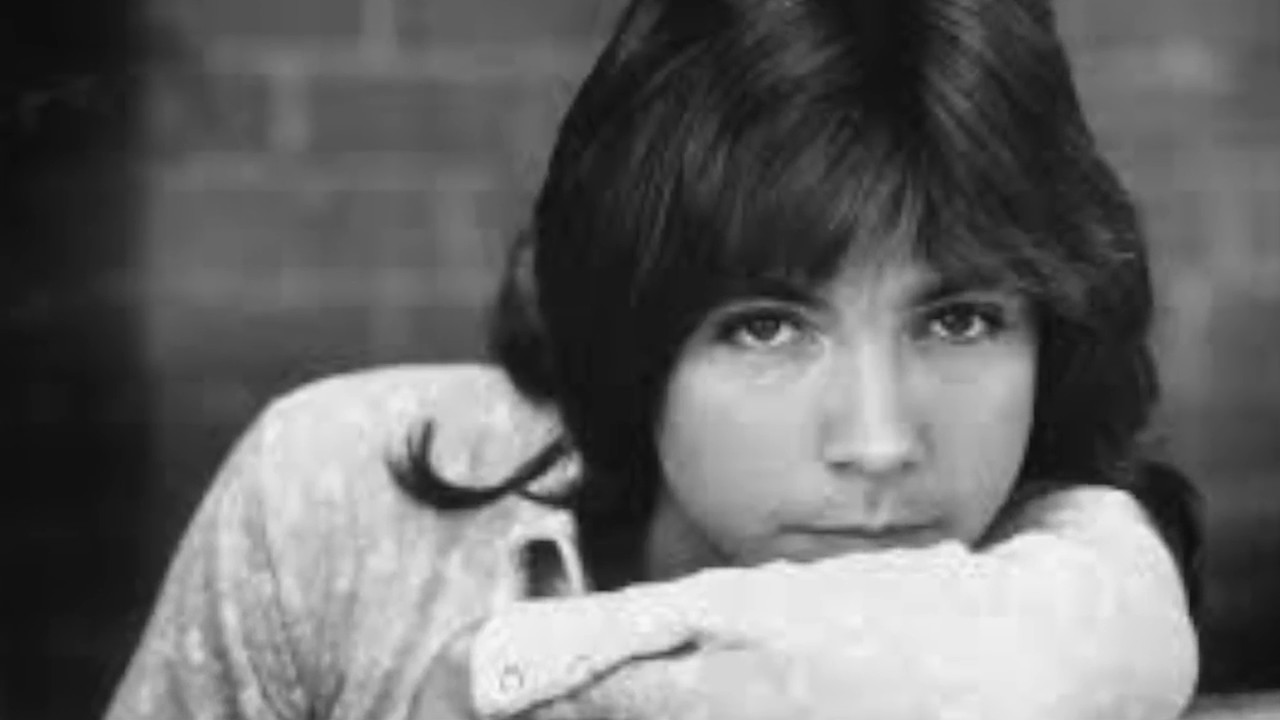
“Run and Hide” is David Cassidy at his most quietly human—an escape song that isn’t really about running away, but about running toward a life that finally fits.
If you’re looking for a clean, triumphant chart story, “Run and Hide” refuses to play that game—and that, oddly enough, is part of its charm. The track was not a major charting single: it appears as an album cut on Home Is Where the Heart Is (released March 1976 on RCA, recorded at Caribou Ranch in Nederland, Colorado, produced by David Cassidy and Bruce Johnston), and the album itself “made nary a dent on the charts,” despite strong material and serious musicianship. In other words, “Run and Hide” didn’t arrive with fanfare. It arrived like so many songs that last: quietly, almost privately, as if it had been made for the listener who would someday need it.
On paper, it’s a small entry in Cassidy’s catalog—Track 7, co-written by David Cassidy and Bill House. But in spirit, it belongs to one of the most important chapters of his career: the years when he was determined to step out from the carefully packaged glow of teen-idol fame and be taken seriously as an adult artist. That pivot is written all over Home Is Where the Heart Is. As The Second Disc notes, much of the same L.A. circle returned here, with Johnston co-producing, and with high-caliber collaborators and guests orbiting the sessions; crucially, most of the album was written or co-written by Cassidy, making it “his most personal yet.”
That detail reframes “Run and Hide” immediately. This isn’t a singer renting someone else’s feelings. It’s a songwriter—Cassidy himself—putting anxieties into plain language: the fear of repeating old wounds, the instinct to duck when love gets serious, the reflex to disappear before you can be left behind. The title sounds dramatic, but the emotional engine is familiar and painfully ordinary: I want this… but I’m scared of what it might cost.
Musically, “Run and Hide” sits inside that mid-’70s seam where pop, soft rock, and blue-eyed soul blur into a single warm dusk. It doesn’t chase glam flash or stadium swagger. It leans into groove and restraint—exactly the sort of environment where a singer has nowhere to hide except inside the phrasing. And Cassidy, here, sings like someone trying to stay calm while admitting something risky. There’s a conversational honesty in the delivery, as if the microphone has become a confessional rather than a spotlight.
The presence of Bruce Johnston matters, too. Johnston wasn’t merely a name in the credits—he represented a certain West Coast craftsmanship: harmonies that shimmer rather than shout, arrangements that feel lived-in, and that faint sense of ocean air even when the studio is nowhere near the sea. Pair that with the rugged, high-altitude mythology of Caribou Ranch, and you can almost feel the mood: an artist stepping away from the noise, hoping the distance will tell him what’s real.
So what does “Run and Hide” mean, beyond the literal? It’s a song about self-protection—and the sadness of realizing that self-protection can become self-sabotage. The “running” isn’t freedom; it’s habit. The “hiding” isn’t mystery; it’s fear. Yet the song’s very existence—on an album Cassidy helped shape, in a period when he was fighting to redefine himself—suggests a second meaning: sometimes naming the impulse is the first step toward outgrowing it.
That’s why this track resonates long after the chart era has moved on. Not every important song is a hit, and not every hit is important. “Run and Hide” is the kind of deep cut that feels like it’s been waiting in a drawer for years until the day you finally open it—and recognize your own handwriting inside.